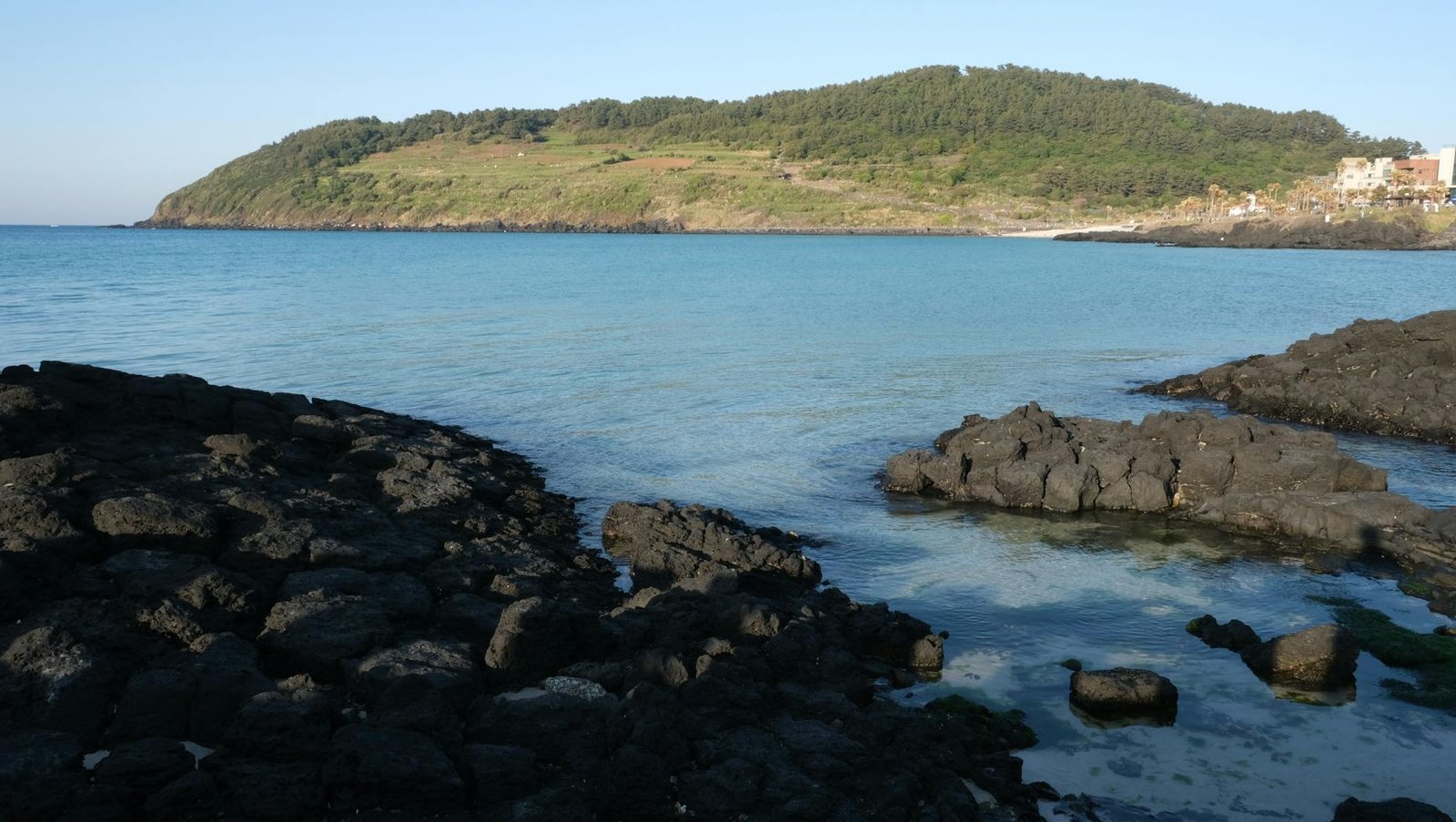
Jeju Island — known to cruise itineraries by its older romanisation, Cheju — hits you differently when you approach by water. The dark volcanic cliffs emerge slowly from the Korea Strait, dramatic and ancient-looking, with Hallasan’s broad summit often wreathed in cloud. By the time the gangway drops, you already sense that this island plays by its own rules.
Arriving by Ship
Cruise ships dock at Jeju Cruise Terminal, conveniently located in Jeju City on the island’s northern coast. The terminal is modern and well-organised, with taxis, shuttle buses, and tour operators lined up outside ready to whisk you away. Unlike some Asian ports that feel transactional and rushed, Jeju greets you with a certain breezy ease — the air smells faintly of the sea and something floral, especially in spring. English signage is reasonably good throughout the island, and the locals are accustomed to international visitors. Ride-hailing apps like Kakao T work well here, making independent exploration genuinely straightforward.
Things to Do

Jeju is a UNESCO Triple Crown destination — a World Heritage Site, Biosphere Reserve, and Geopark all rolled into one extraordinary island. Your first priority should be Seongsan Ilchulbong, the iconic “Sunrise Peak” formed from a volcanic eruption over 5,000 years ago. The crater rim hike rewards you with panoramic views of the coastline and, if you’re lucky with timing, a spectacular dawn. Combine that with a haenyeo demonstration — the legendary female free-divers who have harvested seafood from these waters for centuries — and you have a morning that genuinely stays with you. 🎟 Book: East Jeju Essentials – Seongsan Ilchulbong (UNESCO) & Haenyeo
On the opposite side of the island, Hallasan National Park offers trails through dense forest that culminate at the crater lake of South Korea’s highest peak. You won’t summit in a single cruise-port day unless you’re an early riser, but the lower trails through azalea groves and lava tube forests are deeply satisfying. 🎟 Book: South-West Jeju Essentials: Hallasan & Signature Highlights
Closer to the port, Yongduam (Dragon Head Rock) is a striking basalt formation shaped by centuries of wind and wave — perfect for photos at golden hour. For something lighter, the traditional Korean outfit experience at this iconic spot makes for an unexpectedly joyful hour. 🎟 Book: [Jeju] Hanbok Private guide tour & photo session in beautiful Yongduam rock,
Local Food
Jeju’s food culture is as distinctive as its landscape. The island is famous for black pork — raised on Jeju’s volcanic soil, it has a richer, more savoury flavour than mainland Korean pork, and locals take it seriously. Head to the Black Pork Street (Heukdwaeji Geori) near Jeju City for the real thing, grilled table-side over charcoal. Haemul — seafood — is equally celebrated here; raw sea urchin, abalone porridge (jeonbok-juk), and fresh-caught fish appear on almost every menu. Hallabong tangerines, grown in the island’s mild volcanic microclimate, are the iconic souvenir snack — sweet, seedless, and bright orange. Don’t leave without trying them fresh, especially between November and January when they’re at peak ripeness.
Shopping

Jeju’s shopping scene balances tourist-friendly souvenirs with genuinely interesting local goods. The Dongmun Traditional Market in Jeju City is the place to shop like a local — stalls overflow with dried seafood, Hallabong cosmetics, volcanic stone figurines (dol hareubang), and local honey products. For something more experiential, consider renting a haenyeo costume for a hands-on cultural moment. 🎟 Book: [Jeju] Woman Diver Haenyeo Traditional Clothes Rental Experience Jeju’s cosmetics industry has grown alongside the island’s clean-beauty reputation, and skincare products featuring Jeju green tea, volcanic clay, or camellia oil make excellent, lightweight gifts. Duty-free shopping is available near the cruise terminal for those ticking off the expected boxes.
Practical Tips
Jeju operates on Korean Standard Time (UTC+9). The currency is the Korean Won (KRW); cards are widely accepted but carry some cash for markets and small restaurants. Most attractions outside Jeju City require a taxi or rental car — the island is about 73 kilometres across, so distances add up quickly on a limited port day. Taxis are metered and affordable; agree on a rough itinerary with a driver at the terminal for a practical half-day tour. The weather is famously changeable: pack a light waterproof regardless of season, as Jeju earns more rainfall than anywhere else in South Korea.
Cruises That Visit Cheju South Korea
Jeju is a popular port of call on Asia-focused cruise itineraries, particularly those sailing the waters of northeast Asia. Royal Caribbean includes Jeju on select sailings from Shanghai and Tianjin, typically on 4- to 7-night itineraries pairing the island with ports like Nagasaki, Busan, and Fukuoka. These sailings run most frequently between April and October, when the weather is warm and the island’s natural scenery is at its finest.
Princess Cruises visits Jeju as part of longer Asia voyages departing from ports including Shanghai, Tokyo (Yokohama), and Singapore. These itineraries generally run between 10 and 21 nights and are most common in spring (April–May) and autumn (September–November), avoiding the height of typhoon season.
Costa Cruises has historically included Jeju on itineraries aimed at the Asian market, often departing from Shanghai or Tianjin and combining Jeju with Japanese and other South Korean ports. Voyages typically range from 5 to 9 nights.
The best time to visit Jeju by cruise is late April through early June — the island blazes with rapeseed flowers and azaleas — or October, when the air is crisp, the tangerines are ripening, and the light has a golden autumnal quality that makes every landscape photograph feel effortless.
🚢 Cruises That Stop at Cheju South Korea
Ready to book a cruise to Cheju South Korea?
Compare itineraries, prices, and cabin types from all the major cruise lines — with a best price guarantee and no booking fees.
🔍 Search Cruises to Cheju South Korea →
Affiliate link — we may earn a commission if you book, at no extra cost to you.
Jeju is the kind of port that makes you wish the ship were staying longer. Whether you spend your hours hiking volcanic craters, watching haenyeo slip beneath the surface of jade-green water, or simply eating black pork at a smoky outdoor grill, the island leaves a mark. There’s a wildness here — ancient and unhurried — that few cruise destinations can match.
🎟️ Things to Book in Advance
These highly-rated experiences fill up fast — book before you arrive to avoid missing out.


![[Jeju] Hanbok Rental Experience/Korean Traditional Clothes Rental Shop](https://i0.wp.com/media-cdn.tripadvisor.com/media/attractions-splice-spp-720x480/10/12/9a/90.jpg?ssl=1)
![[Jeju] Hanbok Private guide tour & photo session in beautiful Yongduam rock,](https://i0.wp.com/media-cdn.tripadvisor.com/media/attractions-splice-spp-720x480/0e/37/e7/d8.jpg?ssl=1)

![[Jeju] Woman Diver Haenyeo Traditional Clothes Rental Experience](https://i0.wp.com/media-cdn.tripadvisor.com/media/attractions-splice-spp-720x480/0e/51/51/3a.jpg?ssl=1)
This page contains affiliate links. If you book through them, we may earn a small commission at no extra cost to you.
📍 Getting to Cheju South Korea
Use the interactive map below to explore the port area and plan your route from the terminal.
Leave a Reply