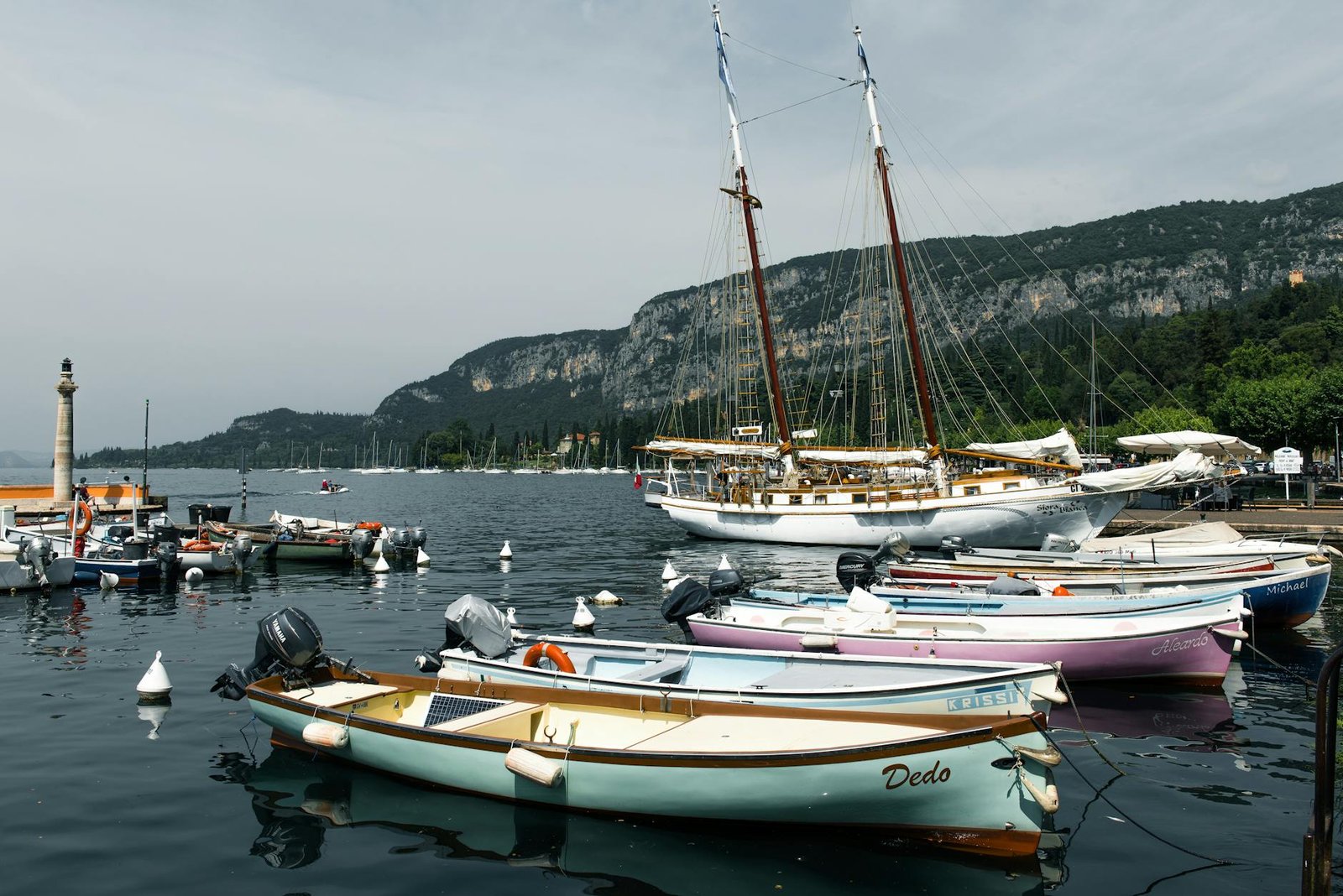
Most cruise ships skip straight to Sicily or the Amalfi Coast — which means Corigliano Calabro remains gloriously, stubbornly itself. This southern Calabrian port pairs a working harbour with a medieval hilltop town that feels entirely undiscovered, even in peak summer.
Arriving by Ship
Corigliano Calabro’s port sits on the Gulf of Taranto, part of the broader Sibari coastal plain. Ships typically dock at the commercial pier rather than requiring a tender, making disembarkation straightforward.
The port itself is functional rather than scenic, but the town of Corigliano Calabro — or more precisely, its historic upper quarter — sits roughly 5 kilometres inland and uphill. Taxis and shuttle services are usually available dockside, and the ride takes around 10–15 minutes.
Things to Do

Don’t let the quiet port fool you — Corigliano Calabro rewards the curious traveller with medieval history, wild beaches, and a food culture that hasn’t been softened for tourists.
History
- Castello Ducale di Corigliano — The imposing Norman-Aragonese castle dominates the old town skyline and is open for guided tours; entrance is around €5 and the panoramic views over the Ionian coast alone are worth it.
- Centro Storico (Old Town) — Wander the tightly packed lanes of the hilltop quarter, past Baroque churches and crumbling palazzi; Piazza Municipio is the natural stopping point and it costs nothing but time.
- Chiesa di San Pietro — One of the finest Baroque churches in Calabria, with an ornate interior that punches well above its regional profile; typically open mornings and late afternoons.
- Museo Civico — A small but well-curated civic museum housed inside the historic district, covering Greek, Roman, and medieval artefacts from the surrounding Sybaris valley.
Beaches
- Schiavonea Beach — Just a few kilometres from the port, this long sandy stretch is the closest proper beach and is backed by low-key bars and deckchair rentals for around €10–15 per day.
- Laghi di Sibari — A short drive south brings you to a lagoon system popular with windsurfers and kayakers; equipment hire is available on-site from around €20 per hour.
Families
- Parco Archeologico di Sibari — One of the most significant ancient Greek excavation sites in Italy, just 10 km from port; entrance costs roughly €6 and the scale of the buried city is genuinely jaw-dropping.
What to Eat
Calabrian food is bold, chilli-forward, and completely its own thing — this is not the polished cuisine of the north, and that’s exactly the point. Lunch in the old town or down by the port will cost far less than you’d pay anywhere more famous.
- ‘Nduja on bruschetta — The spreadable, fiery Calabrian salumi is a local obsession; order it at any bar or alimentari in town for €3–5 as a snack.
- Pasta al ragù di capra — Goat ragu on handmade pasta is a regional staple; try it at local trattorie in the old town for €8–12 a plate.
- Pesce spada alla calabrese — Swordfish with capers, olives, and tomatoes, found at restaurants near the Schiavonea waterfront; expect to pay €14–18 for a main.
- Pitta ‘mpigliata — A traditional Calabrian pastry stuffed with figs, honey, and nuts; bakeries in the centro storico sell them for €2–3 each.
- Local Cirò wine — Calabria’s most celebrated DOC wine, made from Gaglioppo grapes; a glass at a local enoteca runs €3–5 and pairs brilliantly with anything on this list.
- Pecorino crotonese — A sharp, aged sheep’s milk cheese from the nearby Crotone province; pick it up at a deli counter for around €12–18 per kilogram to take back on board.
Shopping

The old town’s small shops and occasional market stalls are where the genuine finds are — handmade ceramics, locally produced liquorice (Calabria is one of the world’s biggest liquorice producers), and jars of ‘nduja or chilli paste make ideal gifts. Avoid the generic souvenir tat near the port; it’s indistinguishable from anything you’d find in Naples or Rome.
Check whether a local market is running in Piazza Municipio on your visit day — the schedule varies but the produce and cheese stalls offer the best value and the most authentic atmosphere in town.
Practical Tips
- Currency — Italy uses the euro; carry some cash as smaller shops and market stalls rarely accept cards.
- Tipping — Not obligatory, but rounding up the bill or leaving €1–2 at a restaurant is appreciated.
- Transport — Taxis from the port are metered; agree a price for a return trip to the old town to avoid surprises (expect €15–25 each way).
- Dress code — Cover shoulders and knees before entering churches, or you may be refused entry.
- Best time ashore — Go early to beat the midday heat; the castle and old town are most atmospheric in the morning light.
- How long you need — Four to five hours covers the castle, old town, a proper lunch, and a quick beach stop comfortably.
- Safety — Corigliano Calabro is calm and low-crime; standard city awareness is all you need.
Corigliano Calabro is the kind of port that travellers who bother to explore it end up talking about for years — go ashore, climb the hill, and let Calabria surprise you.
🎟️ Things to Book in Advance
These highly-rated experiences fill up fast — book before you arrive to avoid missing out.


This page contains affiliate links. If you book through them, we may earn a small commission at no extra cost to you.
📍 Getting to Corigliano Calabro, Italy
Use the interactive map below to explore the port area and plan your route from the terminal.
Leave a Reply