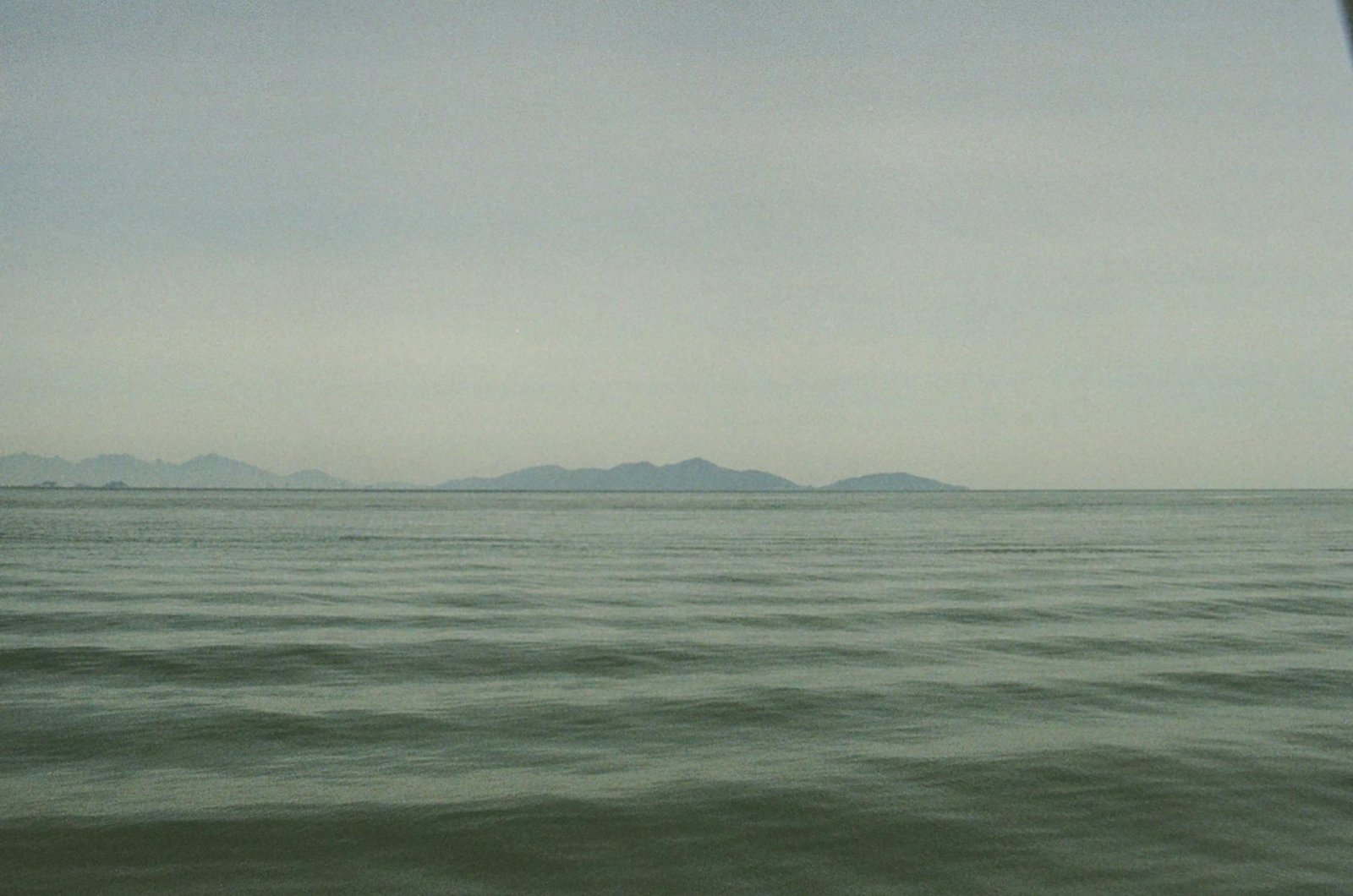
Quick Facts: Port: Futami Port, Chichijima Island | Country: Japan (Ogasawara Village, Tokyo Metropolis) | Terminal: Futami Port Pier | Dock: Yes, ships dock alongside or anchor and tender depending on vessel size | Distance to Futami village center: approx. 5–10 min walk | Time zone: JST (UTC+9)
Chichijima is the main inhabited island of the Ogasawara archipelago — a UNESCO World Natural Heritage site sitting roughly 1,000 km south of Tokyo in the Pacific Ocean, and one of the rarest cruise stops on earth. Only a handful of expedition ships and boutique cruise vessels call here each year, so if you have a Chichijima port day on your itinerary, treat it as the gift it is. The single most important planning tip: this island has no mass tourism infrastructure, no hop-on hop-off bus, no tourist trains — everything here rewards the traveler who goes slow, goes local, and books nature experiences in advance.
—
Port & Terminal Information
Futami Port is the sole port on Chichijima and the logistical heart of the entire Ogasawara island chain. It’s a working port first and a cruise terminal second — you’ll share the wharf with the Ogasawara Maru, the lifeline ferry that connects the islands to Tokyo on a roughly 6-day round trip, as well as local fishing boats and supply vessels.
Most smaller expedition ships (Ponant, Lindblad, Silversea Expedition, Seabourn Venture) dock directly alongside the main pier, but larger vessels or those arriving during peak swell may anchor in Futami Bay and tender passengers ashore. Confirm your ship’s plan in the daily newsletter the evening before — if you’re tendering, first tender is typically 30–45 minutes after the ship anchors, and the last tender back has a hard cutoff, so note it prominently.
Terminal facilities are genuinely basic:
- No ATM at the pier itself (the only ATM on the island is at Chichijima Post Office, about a 5-minute walk inland — Japan Post ATMs accept international Visa/Mastercard/Cirrus)
- No luggage storage at the terminal
- No Wi-Fi hotspot at the pier
- A small tourist information presence is sometimes staffed by Ogasawara Village tourism volunteers when ships are in — they distribute free English maps
- No port shuttle service
The port is right at the edge of Futami village. Find it on Google Maps before you leave the ship — download offline maps via Google or Maps.me because cellular data is limited and expensive without a Japan SIM or pocket Wi-Fi.
—
Getting to the City

Futami is the only town, and it’s a compact, walkable settlement that wraps around the harbor. Getting around Chichijima is part of the adventure.
- On Foot — Futami village center is a 5–10 minute walk from the pier along the harbor road. Omura Beach (the main beach in town) is 8 minutes on foot. The post office, local restaurants, small shops, and the tourism office are all within a 10-minute radius of the gangway. Most of Futami is genuinely walkable.
- Bus/Metro — There is no bus service or metro on Chichijima. Public transport does not exist in any conventional sense. Do not count on it.
- Taxi — Taxis are extremely limited and not waiting at the port. A couple of licensed drivers operate on the island; the tourist information desk or your ship’s excursion team can arrange one in advance. Expect ¥1,500–¥3,000 (~$10–$20 USD) for a cross-island transfer depending on distance. Do not assume you can hail one.
- Hop-On Hop-Off — Does not exist here. Do not plan around it.
- Rental Car/Scooter/Bicycle — This is actually your best independent option. Several small rental operators in Futami rent bicycles (¥500–¥1,000/day, ~$3–$7), and a handful offer scooter or small car hire (¥3,000–¥5,000/day, ~$20–$35) — confirm availability directly through your ship’s destination services desk or look for operator boards near the harbor. Roads are narrow, mostly paved, and traffic is minimal. A scooter opens up viewpoints, beaches, and trailheads that are otherwise a long walk.
- Ship Shore Excursion — For Chichijima specifically, ship-organized excursions are worth serious consideration — not because independent travel is dangerous, but because operators with local knowledge, English-speaking naturalist guides, and pre-arranged permits for certain snorkel/dive/whale-watch sites are genuinely hard to replicate on your own in a 6-hour window. Check Viator and GetYourGuide for independently bookable tours that mirror ship excursion quality.
—
Top Things to Do in Chichijima Island, Futami, Ogasawara-Bonin Islands
Chichijima’s appeal is almost entirely natural — UNESCO-listed ecosystems, extraordinary marine life, endemic bird species, and landscapes that feel genuinely untouched. Here’s where to spend every hour wisely.
—
Must-See
1. Futami Harbor Overlook & Chichi-jima Island Panorama (Free) — Walk or ride up to the hilltop viewpoints above Futami Harbor for the defining visual of the island: the horseshoe bay, the turquoise Pacific, the volcanic ridgelines, and the silhouette of your ship below. The road up to Minamizaki and the hill behind the harbor gives you this view in about 20 minutes on foot from the pier. No guide needed, no fee — just one of the great free vistas in the Pacific. Allow 45 minutes including the walk up.
2. Ogasawara World Heritage Conservation Center (Free / small donation appreciated) — This modest but genuinely informative center near Futami explains the UNESCO World Heritage designation awarded in 2011, the endemic species found only on these islands (including the Bonin Flying Fox, Bonin White-Eye bird, and dozens of plant species), and the conservation challenges facing the archipelago. Staff often speak some English. Essential context for everything else you’ll see today. Allow 30–45 minutes.
3. Battle Sites & WWII History (Free) — Chichijima was a heavily fortified Japanese military position during World War II, and the hills above Futami are dotted with gun emplacements, bunkers, and tunnels — many still accessible. The island is also the site of the infamous 1944–45 incidents involving American airmen, including future U.S. President George H.W. Bush, who was shot down nearby and rescued by USS Finback. Several monuments in Futami commemorate both sides. A local guide who knows the exact sites is strongly recommended — look for options through GetYourGuide. Allow 1.5–2 hours.
—
Beaches & Nature
4. Minamizaki Beach (Free) — Accessed by a 40-minute trail through subtropical forest from the Minamizaki trailhead (south of Futami, reachable by scooter/bicycle in 15 minutes), this stunning crescent of white coral sand is one of the most beautiful beaches in the entire Ogasawara chain. Snorkeling straight off the beach is world-class — green sea turtles feed on the reef here year-round. Bring your own mask and fins if possible, or rent them in Futami village before heading out. Accessible only on foot — which keeps it gloriously uncrowded. Allow 2.5–3 hours including transit.
5. Kopepe Beach (Free) — Closer to Futami than Minamizaki (about 15 minutes by scooter or 40 minutes on foot), Kopepe is the island’s most accessible good snorkel beach. The water clarity on a calm day is extraordinary — visibility of 30+ meters is common. You’ll likely see green turtles, butterflyfish, parrotfish, and, if you’re lucky in summer months, spinner dolphins. A small covered rest area sits at the trailhead. Allow 1.5–2 hours.
6. Whale and Dolphin Watching (¥5,000–¥8,000 / ~$35–$55 per person) — From November through April, humpback whales use Ogasawara waters as a breeding and calving ground, making Chichijima one of the best land-accessible whale-watch destinations in Japan. Spinner dolphins are present essentially year-round. Local operators run 2–3 hour morning trips from Futami Harbor. This is the kind of experience that defines an Ogasawara cruise stop — book it before you leave home via Viator and confirm with operators closer to your date. Allow 2.5–3 hours including briefing and return.
7. Swimming with Dolphins (¥6,000–¥10,000 / ~$40–$70 per person) — Distinct from whale-watching tours, some Ogasawara operators offer dedicated dolphin-encounter snorkel trips targeting the resident spinner dolphin pods in the waters around Chichijima. These are not captive or trained animals — this is wild open-ocean interaction following Japanese guidelines, and the experience of swimming alongside a bow-riding pod in crystal-clear Pacific water is genuinely bucket-list level. Check GetYourGuide for current availability. Allow 2–3 hours.
8. Snorkeling & Diving the Ogasawara Reefs (Snorkel rental ¥500–¥1,000; Dive tours ¥10,000–¥18,000 / ~$65–$120) — Ogasawara’s reefs are among the healthiest in Japan precisely because the islands are so remote. Certified divers can join local dive operators for 1- or 2-tank dives at sites including Minami Island reefs, Minamizaki Point, and offshore seamounts. Even snorkelers at Kopepe or Minamizaki Beach will see coral density and fish life that rivals anything in Southeast Asia. Check Viator for guided snorkel and dive options. Allow 3–4 hours for a guided dive experience.
9. Bonin Flying Fox Spotting (Free) — The Ogasawara fruit bat, known locally as the Bonin Flying Fox (Pteropus pselaphon), is endemic to the Ogasawara Islands and endangered. At dusk it emerges from forest roosts and flies against the sky in eerie, prehistoric silhouette — but even during daylight hours you can spot them roosting in tall trees in the interior hills above Futami. A naturalist guide from your ship or local eco-tour operators can take you to reliable roost trees. Allow 1 hour.
—
Day Trips
10. Minami-jima (South Island) (Guided tour required — approx. ¥3,000–¥5,000 / ~$20–$35, boat transit included in guided prices) — Uninhabited, accessible only by boat from Futami, and one of the most visually arresting islands in the entire Pacific: Minami-jima has a white sand interior basin accessed through a narrow rock portal, sea-polished limestone karst formations, and turquoise shallows that look digitally enhanced. Landings are only permitted with a licensed guide, and daily visitor numbers are capped to protect the ecosystem. If your ship offers this as an excursion, take it without hesitation — it’s the single most memorable thing you can do from a Chichijima port call. Book through Viator in advance. Allow 3–4 hours including boat transfers and the interior walk.
11. Higashidaira Observation Deck & Forest Walk (Free) — A dirt road and short walking trail leads through subtropical Ogasawara Forest to the Higashidaira plateau above Futami, where a simple observation deck gives wide views across the island interior and out to the Pacific. The forest along the trail contains endemic plant species found nowhere else on earth, and the bird life — including the Bonin White-Eye and Japanese Wood-Pigeon — is remarkable. Best with a naturalist guide. Allow 2 hours.
—
Family Picks
12. Sea Turtle Encounter at Minamizaki or Kopepe (Free for beach access; guide optional ¥2,000–¥4,000) — Green sea turtles are so reliably present around Chichijima that a snorkel at Minamizaki or Kopepe almost guarantees a sighting. Turtles here are accustomed to calm, respectful snorkelers and will often hover nearby or continue feeding with total indifference to your presence. For families, this is a profound wildlife moment — no gimmicks, no feeding, just the real thing in the wild. Children who can swim with fins and a mask are ready for this. Check GetYourGuide for family-friendly guided snorkel tours.
13. Futami Fishing Harbor Wander (Free) — Younger kids who aren’t ready for ocean snorkeling will still love a slow walk around Futami’s working fishing harbor, where you can watch fishing boats unload, spot triggerfish and colorful reef fish in the clear water below the pier, and occasionally see green turtles surfacing in the harbor basin. It’s low-effort, no-cost, and genuinely engaging for curious kids. Allow 30–45 minutes.
—
Off the Beaten Track
14. Ōgiura Beach & The Island’s Northern Tracks (Free / scooter recommended) — Most cruise passengers stick to Futami and the main southern beaches. But if you have a scooter and 3+ hours, ride north past the botanical garden ruins toward Ōgiura Bay. The road gets rough, the views get dramatic, and you’ll have virtually the entire northern end of the island to yourself. This is where you feel the true wildness of Chichijima — this is genuinely remote Pacific Japan, unchanged. Not mapped well on mainstream apps — download offline maps. Allow 2–3 hours by scooter.
—
What to Eat & Drink

Chichijima’s food culture is a small-island mashup of Japanese home cooking, Pacific Rim influences from the island’s unique history (Westerners settled here in the 1800s and their descendants still live on the island), and whatever the weekly supply boat has brought. Seafood is the star — locally caught wahoo, flying fish, ahi tuna, and lobster — prepared simply and beautifully.
- Island-caught sashimi and sushi — served at small restaurants around Futami harbor; expect to pay ¥1,200–¥2,500 (~$8–$17) for a generous set; the flying fish (tobiuo) sashimi is specific to these islands and worth ordering
- Shimafish Teishoku (Island Fish Set) — the standard lunch plate at most local restaurants: grilled or simmered local fish, rice, miso soup, pickles; ¥900–¥1,500 (~$6–$10); filling, honest, excellent
- Passion Fruit Products — Ogasawara passion fruit is cultivated on the island and appears in juice, jam, dressing, and soft serve ice cream sold at small shops in Futami; the fresh passion fruit juice (¥400–¥600 / ~$3–$4) on a hot shore day is sublime
- Rum from Ogasawara Sugar Cane — the island produces a small-batch rum from local sugar cane; available at souvenir shops in Futami; ¥1,500–¥2,500 (~$10–$17) per bottle; excellent and completely unique to this place
- Island Café Coffee and Shaved Ice (Kakigori) — small cafés near the harbor serve cold kakigori in summer months flavored with local fruit syrups; ¥400
📍 Getting to Chichijima Island Japan, Futami, Ogasawara-Bonin Islands
Use the interactive map below to explore the port area and plan your route from the terminal.
Leave a Reply