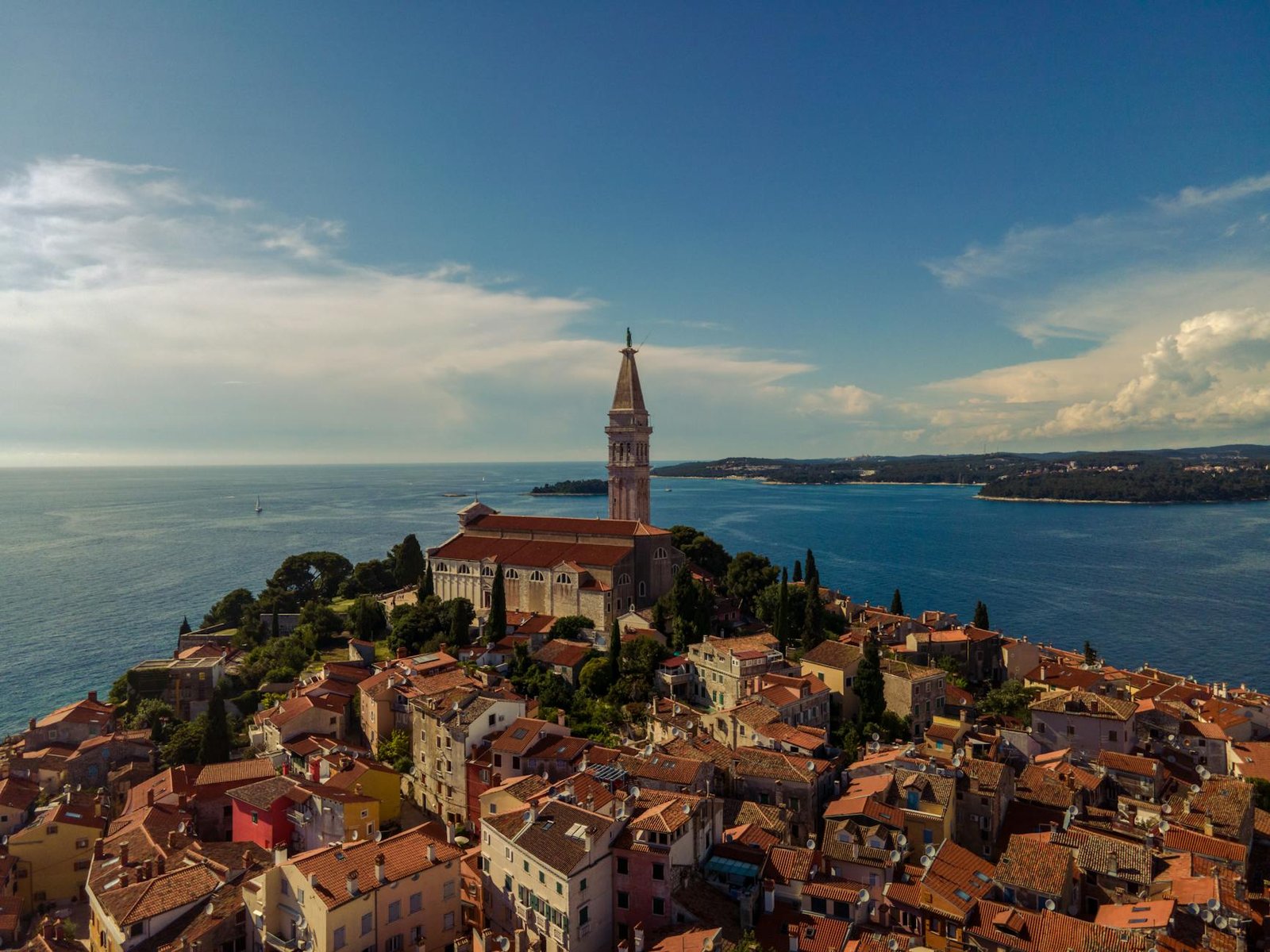
Croatia’s Adriatic coast is packed with cruise favourites, but Cres Island quietly sits apart — wilder, emptier, and stranger than anywhere else on the itinerary. This is a place where griffon vultures circle medieval bell towers and Roman ruins crumble into olive groves. If you get one off-the-beaten-path port day this trip, make it this one.
Arriving by Ship
Cres Town has a small but functional dock right in the heart of the old town — most ships tie up directly at the harbour, meaning you step off and you’re already surrounded by centuries-old stone buildings and waterfront cafés. The pier is compact, so disembarkation is usually quick and painless with no tender required.
The town itself is immediately walkable from the dock, and the entire historic centre is reachable on foot within minutes. You won’t need transport to enjoy the core sights, though hiring a car or joining a tour unlocks the island’s dramatic interior.
Things to Do

Cres punches well above its weight for a small Adriatic island — you’ve got Roman ruins, a medieval old town, hidden beaches, and genuine wildlife encounters all within easy reach.
History & Culture
- Cres Town Old Quarter — Wander the Venetian-era streets, spotting the 16th-century loggia and the Church of St Mary of Snow, both free to enter and within five minutes of the dock.
- Cres Town Museum (Artefakti) — A small but fascinating local museum with Roman artefacts and island history; entry is around €3 and it’s open most mornings in season.
- City Walls and Towers — Sections of the medieval defensive walls still stand and are freely accessible; the Venetian tower near the harbour makes for a great photo stop.
Wildlife & Nature
- Caput Insulae Griffon Vulture Eco-Centre — Located in nearby Beli village, this is the only griffon vulture rescue centre in Croatia; admission is around €5 and the short hiking trails around it are spectacular. 🎟 Book: Island Escape Private Shore Tour: Full-Day Cres Adventure
- Olive Oil Tasting Tour — Cres produces outstanding olive oil from ancient groves; a guided small-group tasting tour gives you real insight into island agriculture and runs about 2.5 hours. 🎟 Book: Small-Group Olive Oil Tour in Cres with Tasting
- Lake Vrana — Croatia’s deepest lake sits in the island’s interior, surrounded by forest, and supplies the island’s drinking water; it’s free to visit and eerily beautiful.
Beaches
- Lungomare Coastal Path — A flat, pine-shaded coastal walkway stretching south from Cres Town leads to a series of small pebbly coves perfect for a quick swim.
- Sv. Nikola Beach — A short walk from the old town, this pebble beach has clear turquoise water and basic facilities; free to access and typically quieter than mainland Croatian beaches.
Food & Local Life
- Cres Food Tour — A local guide walks you through the town’s markets, producers, and hidden eateries in a 3-hour tasting experience that’s genuinely the best way to understand island culture. 🎟 Book: Cres Food Tour with a Local Guide
What to Eat
Cres cuisine is rooted in lamb, seafood, and foraged ingredients — this is not tourist food, it’s the real thing, shaped by centuries of island isolation.
- Creska jagnjetina (Cres lamb) — The island’s most famous product, slow-roasted with herbs; try it at Konoba Riva on the waterfront for around €18–22 a plate.
- Grilled fresh fish — Caught daily and simply grilled with olive oil and lemon; expect to pay around €15–20 per portion at any harbour-side konoba.
- Fritaja s šparogama — Scrambled eggs with wild asparagus, a spring staple found in most traditional restaurants for around €8.
- Cres olive oil — Drizzled on bread or over salad, the local oil has a distinctly grassy, peppery bite; you’ll taste the difference immediately.
- Homemade pasta (fuži) — Hand-rolled pasta served with truffle or lamb ragù; a main course runs around €12–16 at inland konobas.
- Local white wine — The island produces small quantities of dry white from indigenous grape varieties; a glass costs €3–5 and pairs perfectly with seafood.
Shopping

The old town has a handful of small shops and a modest market near the harbour selling local produce — olive oil, lavender products, and island honey make the best souvenirs and pack easily. Avoid the generic Croatia-branded tourist trinkets; they’re identical to what you’ll find in Dubrovnik or Split and have nothing to do with Cres.
Look out for small producers selling home-pressed olive oil in unlabelled bottles — it’s completely normal here and far better than anything shrink-wrapped. A 500ml bottle typically costs €8–12 and is worth every cent.
Practical Tips
- Currency — Croatia uses the euro (€); cards are widely accepted in town but carry cash for market stalls and smaller konobas.
- Tipping — Rounding up the bill or leaving 10% is appreciated but never expected.
- Transport — The town is fully walkable, but rent a car or book a shore excursion to reach Beli, Lake Vrana, or the southern beaches.
- Best time ashore — Go early to beat midday heat and secure a table at the best waterfront restaurants before the lunch rush.
- How long you need — Three to four hours covers the old town comfortably; a full day lets you explore the island’s interior properly.
- Dress code — Cover shoulders when entering churches; otherwise smart-casual is perfectly appropriate everywhere.
- Safety — Cres is exceptionally safe; the main hazard is the sun — wear SPF and stay hydrated in summer months.
Pack your curiosity alongside your sunscreen, because Cres Island rewards the traveller who looks just a little closer than the usual Croatian postcard.
🎟️ Things to Book in Advance
These highly-rated experiences fill up fast — book before you arrive to avoid missing out.


This page contains affiliate links. If you book through them, we may earn a small commission at no extra cost to you.
📍 Getting to Cres Island Croatia, Cres Town
Use the interactive map below to explore the port area and plan your route from the terminal.
Leave a Reply