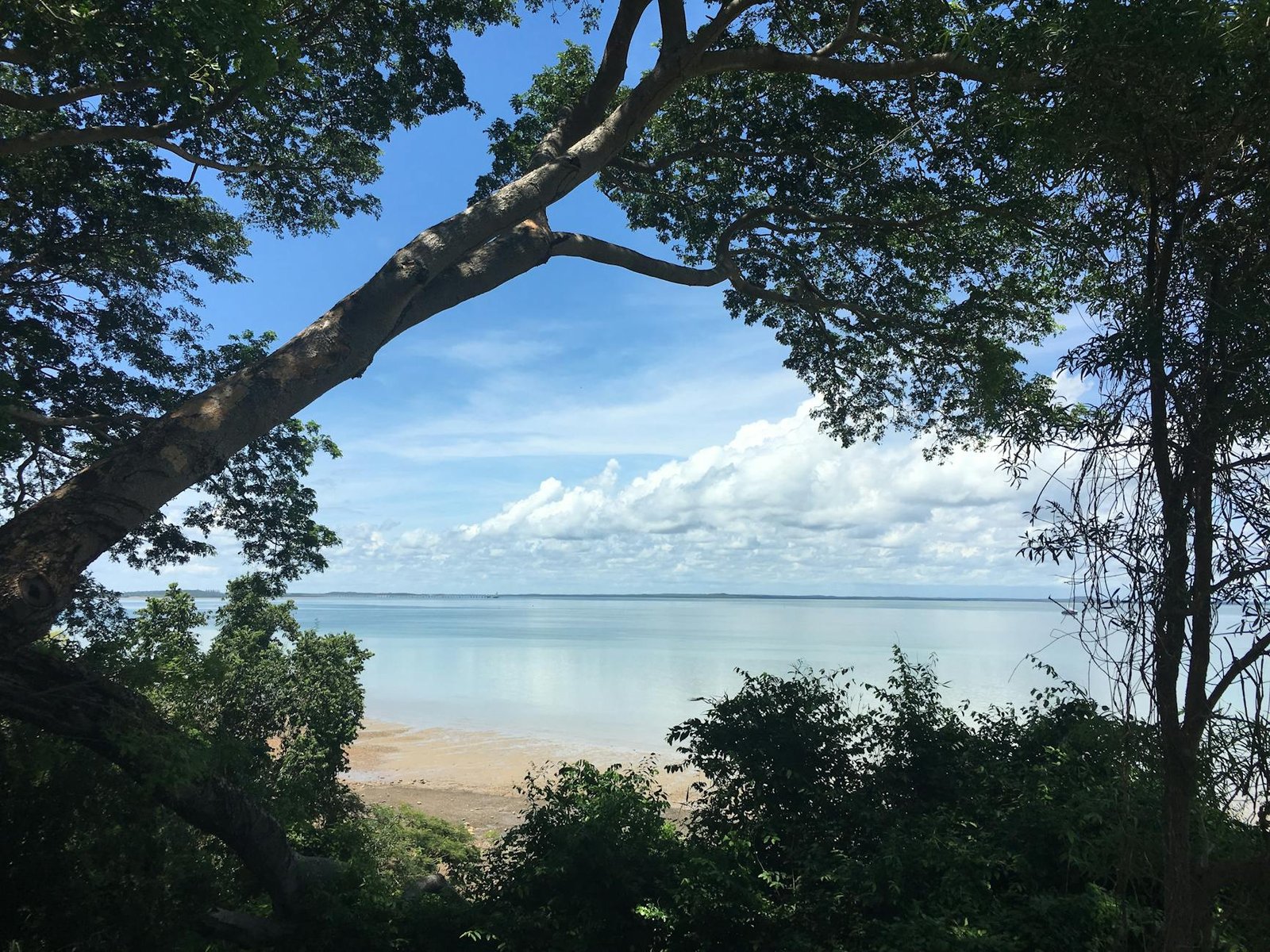
Darwin, Australia’s northernmost capital city, is unlike anywhere else on the continent — a frontier town with a tropical pulse, a rich Indigenous heritage, and a wartime past that most visitors never expect. Cruise passengers who dig beneath the surface discover a destination that rewards curiosity at every turn.
Arriving by Ship
Cruise ships dock at Darwin Cruise Terminal at Fort Hill Wharf, sitting right on the edge of the city centre. The terminal is compact and well-organised, with transport options waiting just outside the gates. You’re roughly a 10-minute walk from the Smith Street Mall and the main CBD, so many passengers simply stroll in. Taxis, rideshares, and shuttle buses are all readily available if you’d prefer a lift, and the port itself has a tourism information desk to help you plan your day. One thing to note: Darwin sits in the tropics, so expect humidity, especially between November and April. Lightweight, breathable clothing is non-negotiable.
Things to Do

Darwin punches well above its weight for a relatively small city, and you’ll want to prioritise your time wisely. The standout experience for history lovers is the Bombing of Darwin story — on 19 February 1942, the city endured the largest single foreign attack ever carried out on Australian soil, with Japanese forces launching 188 aircraft across two raids. The story is extraordinary and largely unknown outside Australia. Combine the immersive Bombing of Darwin Experience with a scenic harbour cruise for the full picture. 🎟 Book: Darwin Combo: The Bombing of Darwin Experience & Darwin Harbour Cruise For an even deeper dive, the four-and-a-half-hour Bombing of Darwin World War II Tour with Harbour Cruise takes you through the original attack sites, preserved wrecks, and dramatic archival footage. 🎟 Book: Bombing of Darwin World War II Tour with Harbour Cruise
Beyond the wartime history, Crocosaurus Cove on Mitchell Street puts you face-to-face with massive saltwater crocodiles — including the terrifying Cage of Death, where you can be submerged in a clear tank alongside them. The Museum and Art Gallery of the Northern Territory is free to enter and houses an exceptional collection of Aboriginal and Torres Strait Islander art, as well as fascinating natural history exhibits. If you prefer a breezy overview of the city, the hop-on hop-off bus is a no-fuss way to hit all the highlights in a morning. 🎟 Book: Darwin Hop-on Hop-off Bus Tour
Local Food
Darwin’s food scene is genuinely one of the most multicultural in Australia, shaped by waves of immigration from Southeast Asia, the Pacific, and beyond. The Mindil Beach Sunset Market (open Thursday and Sunday evenings during the dry season, April to October) is a bucket-list experience — hundreds of food stalls serving laksa, Indonesian satay, Thai curries, Greek souvlaki, and freshly grilled barramundi, all eaten on the beach as the sun melts into the Timor Sea. It’s pure Darwin magic.
Barramundi is the local fish of choice, and you’ll find it on menus across town — pan-fried, beer-battered, or whole-roasted. Pair it with a cold NT Draught and you’re living like a local. For a memorable evening experience, consider a sunset cruise that packages the whole affair beautifully, with cold drinks and fresh fish and chips on the water as the harbour turns golden. 🎟 Book: Darwin Sunset Cruise Including Fish 'n' Chips
Shopping

The Smith Street Mall is Darwin’s retail heartbeat, lined with shops, street performers, and shaded arcades. For genuine local souvenirs, skip the generic tourist shops and head to the Aboriginal art galleries dotted around the city centre — pieces here are authentic and often directly support Indigenous artists and communities. Parap Village Market, held every Saturday morning, is wonderful for handmade goods, local spices, homemade condiments, and tropical fruit you won’t find back home. Darwin also has a strong crafts scene, with carved crocodile timber pieces and Tiwi Island ceramics making meaningful keepsakes.
Practical Tips
Darwin operates on Australian Central Standard Time (ACST), which is UTC+9:30. The currency is the Australian dollar, and card payments are accepted virtually everywhere. The tropical climate divides neatly into two seasons: the dry (May to October) is pleasant and warm, while the wet (November to April) brings humidity and dramatic electrical storms. Sunscreen and a refillable water bottle are essentials year-round. Most attractions are within reach without a car, but if you want to venture further to Litchfield National Park or Kakadu, half-day tours depart regularly from the city — check availability against your ship’s departure time carefully.
Darwin rewards the traveller who comes expecting the unexpected. Whether you’re moved by its wartime resilience, dazzled by its Indigenous art traditions, or simply captivated by watching a crocodile eye you from three inches of acrylic glass, this wild Top End city leaves a lasting impression that lingers long after you’ve sailed away.
🎟️ Things to Book in Advance
These highly-rated experiences fill up fast — book before you arrive to avoid missing out.


This page contains affiliate links. If you book through them, we may earn a small commission at no extra cost to you.
📍 Getting to Darwin Australia
Use the interactive map below to explore the port area and plan your route from the terminal.
Leave a Reply