Most cruise passengers glance at Den Helder on the itinerary and assume it’s a quiet filler stop. They’re wrong — this scrappy naval city is the gateway to one of Europe’s most extraordinary barrier islands and a surprisingly compelling destination in its own right. Come with low expectations and leave genuinely impressed.
Arriving by Ship
Den Helder’s cruise terminal sits directly alongside the town at Willemsoord, a renovated 19th-century naval dockyard — no tender required, just walk off and you’re already inside a piece of living maritime history. The town centre is a short 10-minute walk from the quay, and the ferry to Texel Island departs just minutes away, making logistics reassuringly simple.
The port is compact and well-signposted, but it won’t overwhelm you with crowds or tourist infrastructure. That’s part of the charm — this is a working Dutch naval base city, not a polished cruise showpiece.
Things to Do

Den Helder punches well above its weight for a port of this size, especially once you factor in the day-trip potential to Texel. Whether you stay in town or head across the water, you won’t run out of things to do.
History & Culture
- Willemsoord Naval Complex — Wander the beautifully restored 19th-century dockyard right at your doorstep; entry to the grounds is free, with paid attractions inside including the naval museum.
- Marinemuseum (Naval Museum) — Board a real submarine, a warship, and a minelayer; adult tickets cost around €17.50, open daily from 10am–5pm.
- Fort Kijkduin — A rare sea-level fortification from the Napoleonic era built directly into the dunes, with impressive underground tunnels; entry is around €12 for adults.
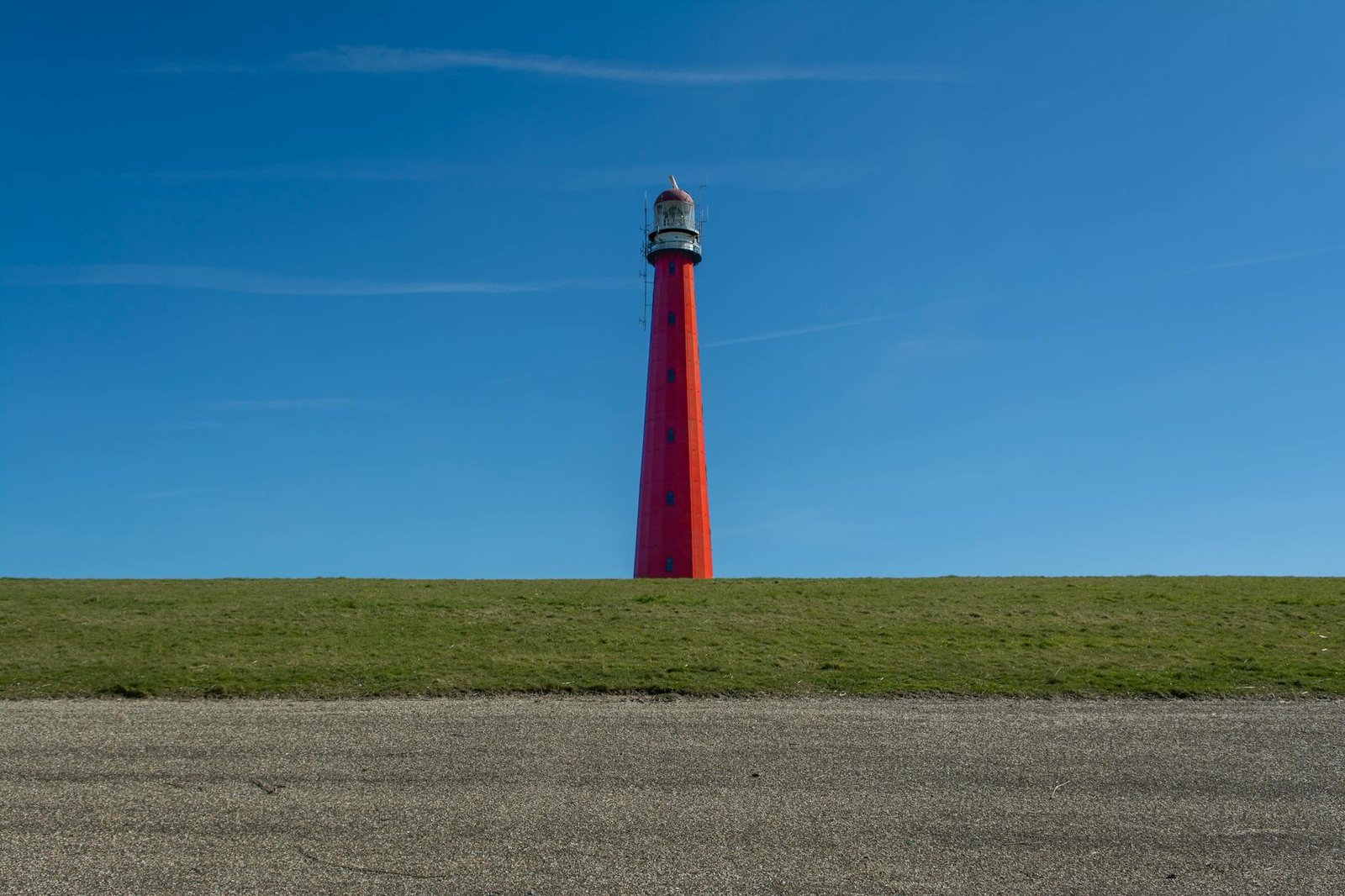
- Den Helder Lighthouse (Lange Jaap) — One of the tallest cast-iron lighthouses in the Netherlands at 37 metres; check local opening times as access can be seasonal.
Texel Island (Day Trip)
- Texel by Solex — Rent a classic Dutch Solex moped and cruise the island’s cycling paths past sheep farms, dunes, and seal colonies; a full-day solex ride from around USD 50.29 🎟 Book: A day of solex riding on Texel is one of the best ways to absorb the island at your own pace.
- Ecomare Nature Centre, Texel — A fascinating seal sanctuary and natural history museum dedicated to the Wadden Sea; tickets are around €15 for adults.
- Texel Beaches — The island’s North Sea coastline stretches for over 25km of white sand; De Koog is the most accessible beach village with cafés and sun loungers.
- De Hoge Berg Village — A quiet hamlet of traditional farm architecture in the heart of the island; stroll the lanes and stop at a local sheep cheese farm.
Active Options
- The Hunt, Den Burg (Texel) — An exciting city-wide cat-and-mouse game played through Texel’s main town using your smartphone; from USD 12.42 for around 2 hours 🎟 Book: The Hunt, an exciting cat-and-mouse game in Den Burg, perfect if you enjoy exploring with a competitive edge.
- Cycling the Dunes — Rental bikes are available near both the Den Helder ferry terminal and on Texel itself for around €12–€15 per day.
What to Eat
Den Helder’s food scene is honest, hearty, and very Dutch — expect fresh North Sea seafood, thick pea soups, and excellent cheese. Head to the small streets around the Willemsoord complex or across to Texel for the most rewarding dining.
- Kibbeling — Battered chunks of North Sea white fish, often served with garlic or remoulade sauce; grab a portion from a harbour fish stall for around €4–€6.
- Texel Lamb — Salt-marsh lamb raised on the island’s dyke grasslands is a genuine local speciality; order it at any Texel restaurant for €18–€25 per main course.
- Texels Skuumkoppe Beer — A locally brewed craft beer named after the foamy waves off Texel’s coast; found in most island pubs for around €3–€4 a glass.
- Erwtensoep (Dutch Split Pea Soup) — Thick, warming, and deeply savoury; available in traditional eetcafés around Den Helder for €6–€9 a bowl.
- Sheep’s Cheese from Texel — Aged on the island and sold directly from farm shops; a 300g block costs around €7–€10 and makes an excellent edible souvenir.
Shopping

Den Helder’s town centre is modest but functional — there’s a small pedestrian shopping street with Dutch chain stores and a few independent shops. For anything truly memorable, save your euros for Texel, where farm shops sell locally made cheese, wool products, and honey that you simply won’t find elsewhere.
Avoid the generic souvenir shops near the terminal and look instead for Texel’s specialty food products. A round of aged sheep’s cheese or a bottle of Texel gin (yes, it exists) will outlast any fridge magnet.
Practical Tips
- Currency — The Netherlands uses the euro; contactless card payment is accepted almost everywhere.
- Tipping — Rounding up the bill or leaving 10% is appreciated but never obligatory in Dutch restaurants.
- Ferry to Texel — The TESO ferry runs every 30 minutes and takes 20 minutes; a return ticket costs around €5 per person as a foot passenger.
- Time ashore — Budget at least 6–7 hours if you want to reach Texel and spend meaningful time there.
- Best time to go ashore — Head out immediately after docking to maximise time on Texel before afternoon crowds build at the ferry.
- Weather — North Holland weather is changeable year-round; pack a light waterproof even in summer.
- Getting around — Both Den Helder and Texel are extremely cycling-friendly; two wheels beats a taxi here every time.
Den Helder may not be what you pictured when you booked your cruise — it’s better, wilder, and far more interesting than any postcard ever promised.
🎟️ Things to Book in Advance
These highly-rated experiences fill up fast — book before you arrive to avoid missing out.


This page contains affiliate links. If you book through them, we may earn a small commission at no extra cost to you.
📍 Getting to Den Helder, Netherlands North Holland
Use the interactive map below to explore the port area and plan your route from the terminal.
Leave a Reply