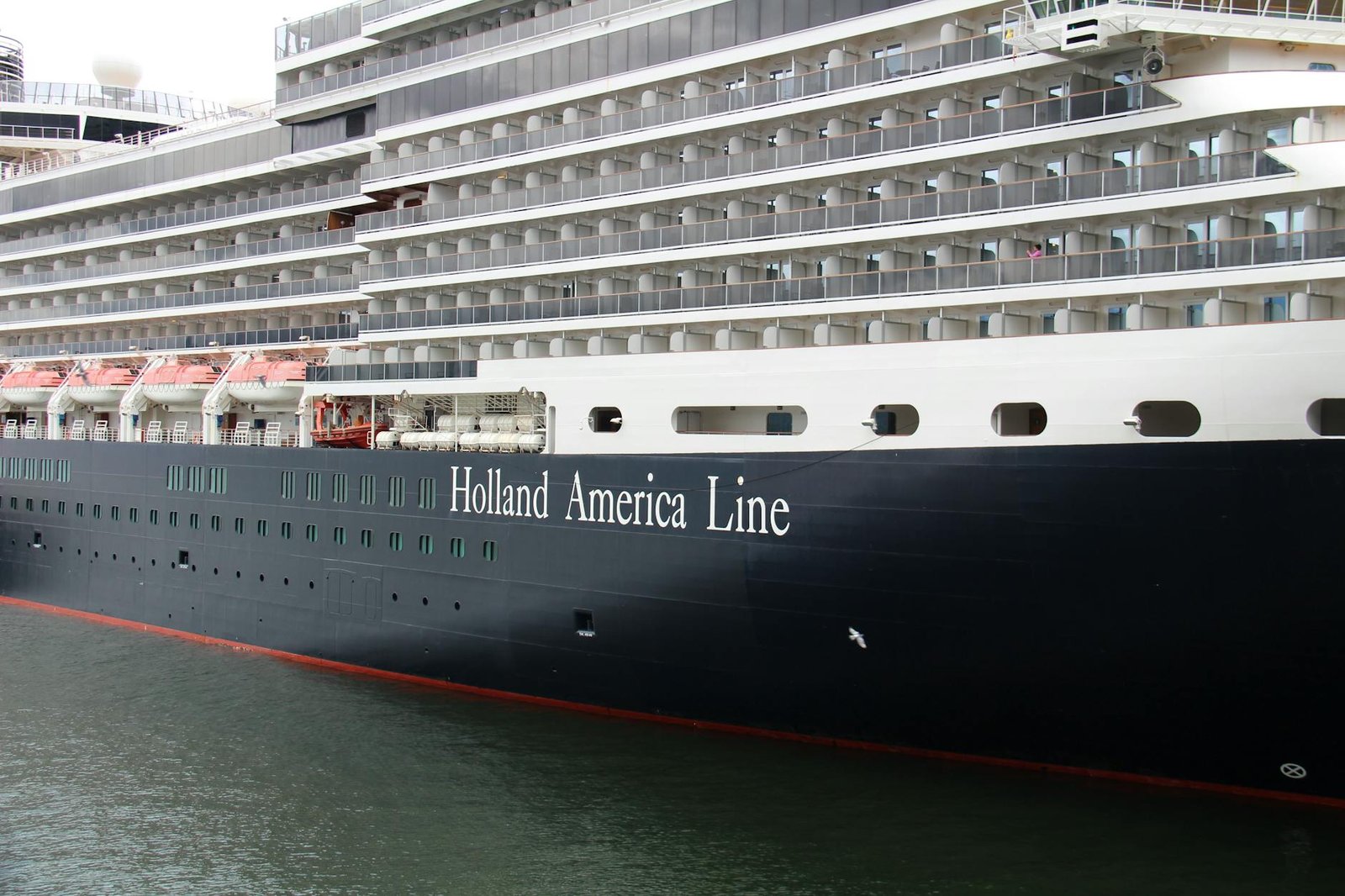
Tuktoyaktuk sits where the Mackenzie River meets the Beaufort Sea — one of the most remote, genuinely untouched places a cruise ship can deliver you. This Inuvialuit community in Canada’s Northwest Territories is not a polished port; it’s the real Arctic, raw and extraordinary. Come prepared and you’ll leave with stories nobody else is telling.
Arriving by Ship
Tuktoyaktuk has no deep-water cruise terminal, so most expedition vessels anchor offshore and bring passengers ashore by Zodiac tender. The landing point is typically near the community beach, placing you within easy walking distance of the village’s main sights. Conditions can be choppy and the water is bitterly cold, so follow crew instructions carefully and dress for a wet landing.
The town itself is compact — fewer than 1,000 residents — so you can reach almost everything on foot within twenty minutes. That intimacy is part of the appeal; this is one of the few Arctic ports where genuine community encounters happen naturally.
Things to Do

Time ashore in Tuktoyaktuk rewards curiosity over comfort. There’s no tourist infrastructure to hide behind, which means every experience feels earned and authentic.
History & Culture
- Visit the Inuvialuit Cultural Centre — the community’s hub for local history, traditional tools, and storytelling; admission is free and staff welcome questions warmly.
- Walk to the Northern Store for a conversation — locals gather here daily and are often happy to share what life above the Arctic Circle actually looks like year-round.
- See the historic Our Lady of Lourdes Church — this small Roman Catholic church dates to the early mission era and sits photogenically against the tundra skyline.
Natural Wonders
- Spot a pingo — Tuktoyaktuk is the best place on Earth to see these ice-cored earth mounds; Ibyuk Pingo, Canada’s tallest at 49 metres, is a short drive or guided walk from town.
- Touch the Arctic Ocean — wade in if you dare (it’s around 4–8°C in summer), but at minimum stand at the water’s edge at the literal top of the continent.
- Scan for wildlife on the tundra — Arctic fox, caribou, and beluga whales in the Mackenzie Delta are all realistic sightings depending on your season; bring binoculars.
- Look for permafrost exposure at the shoreline — coastal erosion has revealed ancient permafrost layers up to 4 metres thick, a striking and sobering climate-change exhibit in nature.
Families & Active Travellers
- Join a guided ATV or walking tour of the pingos — local operators charge roughly CAD $60–80 per person and provide gear; book through your ship’s excursion desk in advance.
- Photograph the colourful clustered housing — the brightly painted prefab homes against flat tundra make for genuinely arresting photography; residents are generally camera-friendly if you smile first.
What to Eat
Culinary options are limited but deeply memorable — this is one of the last places you can eat traditional Inuvialuit food prepared the way it has been for centuries. Don’t arrive expecting cafés; do arrive with an open mind.
- Muktuk (beluga whale skin and blubber) — the defining local delicacy, chewy and rich, sometimes offered at community events or through guides; try it if offered as a gesture of cultural respect.
- Arctic char — fresh-caught and often smoked, this pink-fleshed fish is available through community events and occasionally from local sellers; expect to pay CAD $15–20 for a portion.
- Bannock — a dense, pan-fried bread brought by traders and adopted into Indigenous cooking; look for it at community gatherings, often served warm and free.
- Caribou stew — hearty, gamey, and warming, occasionally available at community meals during expedition ship visits; check with your guide for access.
- Ship-supplied Arctic-themed meals — most expedition vessels celebrate the Beaufort Sea arrival with an onboard Arctic menu on port day; it’s worth eating aboard that evening.
Shopping

Shopping in Tuktoyaktuk is small-scale and all the better for it. The Northern Store carries basics, but the real finds are handmade crafts sold directly by residents — look for beaded jewellery, hand-sewn mukluks, and small carved figures in bone or antler. Prices vary but typically range from CAD $20 for small pieces to several hundred for detailed garments.
Avoid purchasing anything made from protected species (certain bird feathers, marine mammal parts) without explicit documentation — Canadian customs rules are strict and your ship’s staff can advise. Buy what you genuinely love; every purchase goes directly to a maker whose craft represents an unbroken cultural tradition.
Practical Tips
- Currency is Canadian dollars (CAD) — carry cash as card readers are unreliable or nonexistent in this remote community.
- Dress in waterproof layers — even in July, temperatures hover around 10–15°C with wind chill making it feel considerably colder.
- Tipping is not customary in Inuvialuit culture — express gratitude verbally and purchase crafts or experiences to support the community economically.
- You’ll need 3–4 hours ashore to cover everything comfortably without rushing.
- Go ashore as early as your ship allows — morning light is spectacular on the tundra and pingos.
- Mosquitoes are fierce in July and August — bring strong repellent and a head net; no exaggeration.
- Ask before photographing residents — it’s polite, it’s respectful, and it almost always results in a better portrait anyway.
Step ashore in Tuktoyaktuk and you’ll find yourself standing at one of the last genuinely wild edges of the world — leave the ship’s Wi-Fi behind and let it change you.
📍 Getting to Tuktoyaktuk, NWT Canada
Use the interactive map below to explore the port area and plan your route from the terminal.
Leave a Reply