Quick Facts: Uwajima, Ehime Prefecture, Shikoku Island, Japan | Uwajima Port (宇和島港) | Dockside (alongside berth) | ~2 km to city center | JST (UTC+9)
Uwajima is a compact, proudly local castle town on Shikoku’s southwestern coast — rarely on the mass-market cruise circuit, which is exactly what makes it special. The single most important planning tip: English signage and English-speaking locals are scarce, so download Google Translate with Japanese offline before you disembark.
—
Port & Terminal Information
Uwajima Port handles cruise ships at its main commercial pier, sometimes referred to informally as Uwajima Shinko (宇和島新港). It’s a working port, not a purpose-built cruise terminal, so facilities are minimal — don’t expect an air-conditioned arrival hall with a tourist desk.
- Facilities: Basic covered waiting shelter; no ATM at the pier itself (nearest ATM: Japan Post Bank inside Uwajima Post Office, ~1.8 km); no luggage storage at the terminal; no Wi-Fi
- Tourist info: Uwajima City Tourist Information is located at Uwajima Station (~2 km), not at the port
- Tender: Not required — ships dock alongside. Factor this into timing: gangway access is usually swift.
- Location: View on Google Maps — the port sits on Uwajima Bay’s eastern shoreline, with the city spreading inland toward the forested hills behind it
—
Getting to the City

- On Foot — Uwajima’s compact layout rewards walking. The central shopping arcade (Hondori) is ~1.5 km; Uwajima Castle is ~2 km. Allow 25–30 minutes on flat terrain with one gradual hill. Perfectly manageable if temperatures are mild (spring/autumn).
- Taxi — Taxis wait near the port gate. Expect ¥700–¥1,000 (~USD 5–7) to the city center or castle base. Meters are used; no scam risk reported, but drivers rarely speak English — write your destination in Japanese characters.
- Bus — Local Iyotetsu Nanyo Bus lines connect the port area to Uwajima Station. Fare is approximately ¥200 (~USD 1.30); journey 10–15 minutes. Frequency is sparse (every 40–60 min), so confirm return timing before committing.
- Hop-On Hop-Off — No HOHO service operates in Uwajima.
- Rental Car/Scooter — Toyota Rent a Car has a branch near Uwajima Station (~2 km). Useful for reaching rural sites like Taga Shrine or the Uwa basin. International Driving Permit required.
- Ship Shore Excursion — Worth considering for castle/bullfighting combination tours if your ship calls on a bullfighting day (dates are fixed and limited). For independent walkers, the city is easily self-navigated. Browse available guided options on Viator or on GetYourGuide.
—
Top Things to Do in Uwajima
Uwajima punches above its size — a feudal castle, one of Japan’s most unusual shrines, and a bullfighting tradition unlike anything else in the country. Here’s where to spend your hours.
Must-See
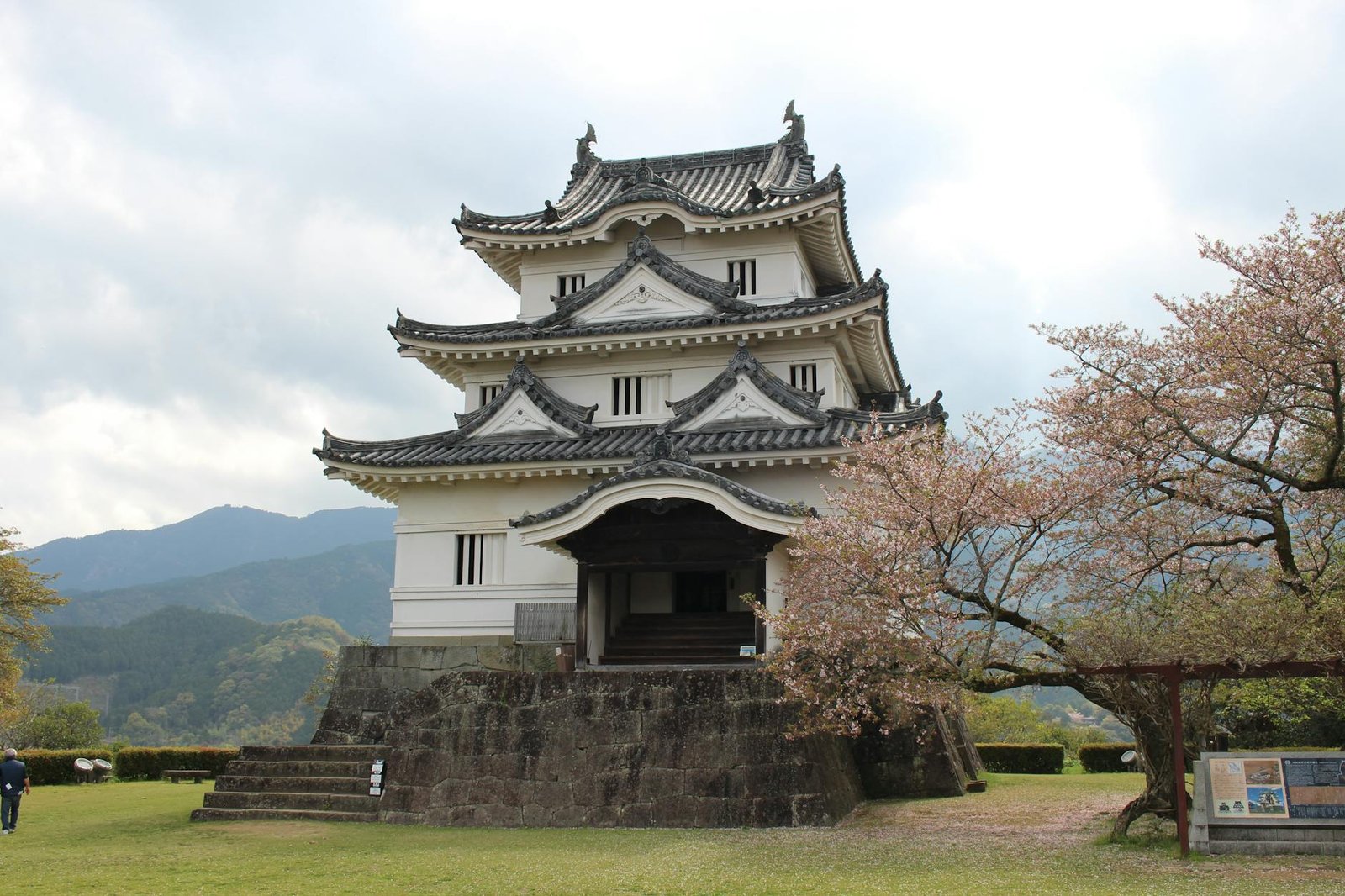
1. Uwajima Castle (¥200 / ~USD 1.50) — One of only 12 surviving original-construction castles in all of Japan, sitting on a forested hill above the city. The 3-story keep is small but perfectly preserved; the views over Uwajima Bay are worth every step. Allow 1.5–2 hours including the uphill walk. Browse castle area tours on GetYourGuide.
2. Taga Shrine (多賀神社) (¥200 for the adjacent fertility museum) — This Shinto shrine dedicated to marital harmony and fertility is one of Japan’s most unusual — and candid — sacred spaces. The 3-floor wooden museum beside it is genuinely extraordinary in its frankness. Not for every traveler, but culturally fascinating. Allow 45 minutes.
3. Uwajima Bullfighting (闘牛/Tōgyū) (¥3,000–¥4,000 / ~USD 20–27) — Bull vs. bull, not matador vs. bull — this is a 400-year-old Shikoku tradition. Events are held 5 fixed times per year (Jan 2, first Sunday of April, July 24, Aug 14, and fourth Sunday of October). If your ship calls on one of these days, make this your priority. Search Viator for tour availability.
4. Date Museum (伊達博物館) (¥500 / ~USD 3.50) — Dedicated to the Date clan who ruled Uwajima for 250 years; armor, lacquerware, and scrolls that give context to the castle above. Allow 45–60 minutes.
Beaches & Nature
5. Uwakai Sea (宇和海) (free) — The bay outside Uwajima is a working pearl farm area — you’ll see the distinctive floats from the harbor walk. No swimming beach at the port, but the coastal scenery is beautiful from the pier itself. Allow 20 minutes for a harbor stroll.
6. Tsushima Hydrangea Forest (津島あじさい園) (free) — ~30 minutes by car from the port, peak bloom in June. Thousands of hydrangeas cover a hillside; almost no foreign tourists. Worth combining with a rental car day.
Day Trips
7. Uwajima → Matsuyama (~1.5 hours by JR limited express, ~¥2,500 one-way) — Matsuyama’s Dogo Onsen is Japan’s oldest hot spring. Only realistic if you have 8+ hours ashore and a confirmed return train. Check JR timetables carefully. Tours including Matsuyama on Viator.
8. Seiyo City Rural Villages (~40 min by car) — The Uwa basin holds some of Shikoku’s best-preserved Edo-period farmhouses. Arrange via rental car.
Family Picks
9. Uwajima City Fish Market (魚市場) (free to observe, timed access) — Early morning tuna and pearl activity at the working waterfront. Kids are captivated by the scale of the catch. Best before 9:00 AM.
10. Nanyo Pearl Museum (free–small fee) — Learn how Uwajima’s famous Akoya pearls are cultivated. Demonstrations available. Allow 45 minutes.
Off the Beaten Track
11. Ganryuji Temple Hike (free) — A little-visited forested temple on the hillside behind the city, connected by a quiet trail. Almost no foreign visitors. Allow 1 hour round-trip.
12. Shotengai (商店街) Hondori Arcade (free) — Uwajima’s covered shopping street feels authentically 1980s Japan — not a tourist reconstruction. Local bakeries, hardware shops, and a few excellent lunch spots. Allow 30–40 minutes.
—
What to Eat & Drink

Uwajima is most famous for tai-meshi (鯛めし) — a raw sea bream rice bowl unique to this part of Ehime that bears no resemblance to the baked version served elsewhere in Japan. The region also produces exceptional Akoya pearl oysters and yuzu citrus that flavors everything from ponzu to sweets.
- Tai-meshi (sea bream rice bowl) — Uwajima style: raw sliced sea bream over rice with a raw egg and dashi; Hondori area restaurants; ¥1,000–¥1,500
- Jyakoten fish cake — Local fried fish paste; sold at market stalls near the harbor; ¥150–¥300 per piece
- Pearl oysters — Occasionally served grilled at harbor-side stalls; seasonal and rare; ¥300–¥500
- Mikan (mandarin oranges) — Ehime is Japan’s top citrus prefecture; fresh juice from street stalls near the castle; ¥200–¥300
- Yuzu soft serve — Local flavor at Hondori ice cream shops; ¥300–¥400
- Uwajima ramen — Light soy broth influenced by the nearby sea; several small shops in the covered arcade; ¥700–¥900
—
Shopping
The Hondori covered arcade is your best shopping ground — it’s lived-in and local rather than tourist-polished. Look for Akoya pearl jewelry (certified shops have English price tags; budget ¥3,000–¥30,000+ depending on grade), Ehime-grown yuzu products (soaps, preserves, sweets), and locally caught dried seafood that makes an excellent, packable gift.
Skip the generic “Shikoku souvenir” sets sold near Uwajima Station — the packaged items there are mostly manufactured elsewhere. The pearl shops clustered near the fish market and around Taga Shrine offer better value and authenticity. Ask to see a certificate of origin for any pearl purchase.
—
How to Plan Your Day
- 4 hours ashore: Walk to Uwajima Castle (90 min including hill walk), descend to Taga Shrine (20 min taxi or 35 min walk), lunch on tai-meshi in Hondori arcade, brief harbor walk back to port.
- 6–7 hours ashore: Above itinerary plus the Date Museum, Nanyo Pearl Museum,
🎟️ Things to Book in Advance
These highly-rated experiences fill up fast — book before you arrive to avoid missing out.


This page contains affiliate links. If you book through them, we may earn a small commission at no extra cost to you.
📍 Getting to Uwajima, Japan Ehime
Use the interactive map below to explore the port area and plan your route from the terminal.
Leave a Reply