Jeddah surprises almost every cruise visitor who steps ashore expecting a conservative, closed-off city and instead finds a buzzing Red Sea metropolis full of colour, coral, and extraordinary hospitality. Saudi Arabia’s second-largest city has reinvented itself as a destination in its own right, and the port experience reflects that ambition perfectly. If you’ve been hesitant about including Jeddah on a cruise itinerary, consider this your reason to reconsider.
Arriving by Ship
Your first view of Jeddah from the water is dominated by the King Fahd Fountain — the tallest fountain in the world, shooting water 300 metres into the sky and occasionally visible from miles offshore. It’s a deliberately theatrical welcome, and it sets the tone for the city perfectly. The cruise terminal at Jeddah Islamic Port is modern and well-organised, with immigration processing that, while thorough, moves efficiently. Taxis and pre-arranged transfers are readily available just outside the terminal, and the city centre is only about 15 minutes away. Arriving passengers should ensure their visa documentation is in order in advance, as Saudi Arabia does require visas even for cruise transit stops.
Things to Do

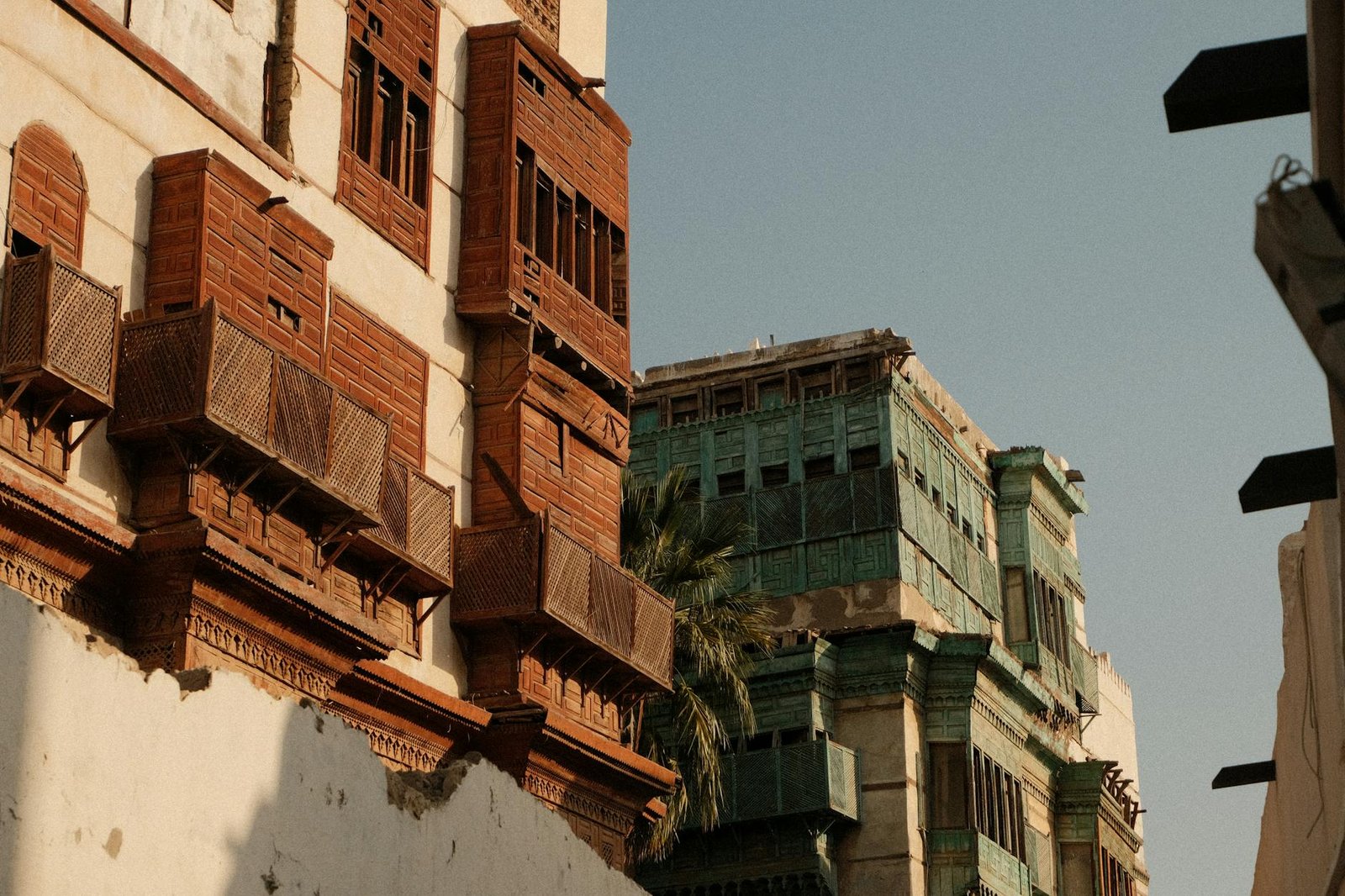
The undisputed highlight for most cruise visitors is Al-Balad, Jeddah’s UNESCO-listed historic district. This labyrinth of coral-stone buildings adorned with ornately carved wooden balconies called Rawasheen is genuinely unlike anywhere else on earth — part medina, part living museum, entirely mesmerising. Narrow lanes open suddenly onto small squares, merchants sell incense and spices, and centuries-old merchant houses tower overhead. Spending a half-day here with a knowledgeable local guide transforms the experience from a pleasant wander into something truly meaningful. A guided tour through Al-Balad is one of the best ways to spend your time ashore. 🎟 Book: Jeddah discover old Jeddah Albalad For a broader overview that takes in the Corniche, local markets, and cultural landmarks alongside Al-Balad, a traditional Jeddah tour lasting around four hours covers the city’s contrasts beautifully. 🎟 Book: Jeddah’s Traditional Tour
Beyond Al-Balad, the Corniche stretches for 30 kilometres along the Red Sea, lined with sculptures, gardens, and families enjoying the waterfront at all hours. The Floating Mosque (Al-Rahma Mosque) sits partially submerged at high tide and is one of Jeddah’s most photographed landmarks. The National Museum of Jeddah and the excellent Shallal theme park also deserve attention if you have time.
Local Food
Saudi cuisine is one of the most underappreciated food cultures in the region, and Jeddah — as a coastal trading city — does it particularly well. Kabsa is the dish to seek out: fragrant long-grain rice cooked with meat, dried fruits, and a warming blend of spices that reflects the city’s ancient spice trade heritage. Along the waterfront, fresh seafood is ubiquitous and exceptional — grilled hammour (grouper), prawns cooked in butter and garlic, and whole fish served on beds of spiced rice are staples in the local restaurants around Al-Balad. For breakfast, ful medames (slow-cooked fava beans) served with flatbread and tamr (dates) gives you a genuinely local start to the day. Don’t leave without drinking Arabic coffee flavoured with cardamom and rosewater — it tastes like the city smells.
Shopping

Jeddah rewards shoppers who veer away from the enormous modern malls (though they exist in abundance if air-conditioned retail therapy appeals). The souks around Al-Balad are where the real character lives: the Gold Souk offers intricate jewellery at prices that undercut most Western markets significantly, while the spice souks pile saffron, dried limes, and Arabic incense into sensory overload. Al-Bawadi Mall and Red Sea Mall cater to visitors wanting international brands alongside local retailers. Abayas and thobes make striking souvenirs, and many tailors in the old city can produce custom pieces at remarkable speed. Frankincense resin and oud perfume oils are lightweight, aromatic gifts that travel well.
Practical Tips
Dress modestly — while Jeddah is relatively liberal by Saudi standards, covering shoulders and knees is both respectful and required in historic areas. Women no longer need to wear an abaya by law, but many locals appreciate the gesture. The heat between June and September is genuinely intense; schedule outdoor exploration for the morning and retreat indoors during the early afternoon. The Saudi riyal is the currency, and ATMs are plentiful near the port and in commercial areas. Alcohol is not available anywhere in Saudi Arabia. If you want a guided female perspective on the city, a tour led by a local woman provides unique insight into Jeddah’s social fabric. 🎟 Book: Guided Tour in Jeddah by local woman
Jeddah consistently outperforms expectations — it is a city that is genuinely proud of what it’s becoming and extraordinarily welcoming to curious visitors who arrive with an open mind. Give it a full day if your itinerary allows; you will almost certainly wish you had longer.
🚢 Cruises That Stop at Jeddah Saudi Arabia
Ready to experience Jeddah Saudi Arabia for yourself? Search live sailings below — filter by departure port, cruise line, and travel dates to find the itinerary that works for you.
Widget not showing? Search all cruises to Jeddah Saudi Arabia on CruiseDirect ↗
Affiliate link — we may earn a commission if you book through it.
🎟️ Things to Book in Advance
These highly-rated experiences fill up fast — book before you arrive to avoid missing out.


This page contains affiliate links. If you book through them, we may earn a small commission at no extra cost to you.
📍 Getting to Jeddah Saudi Arabia
Use the interactive map below to explore the port area and plan your route from the terminal.
Leave a Reply