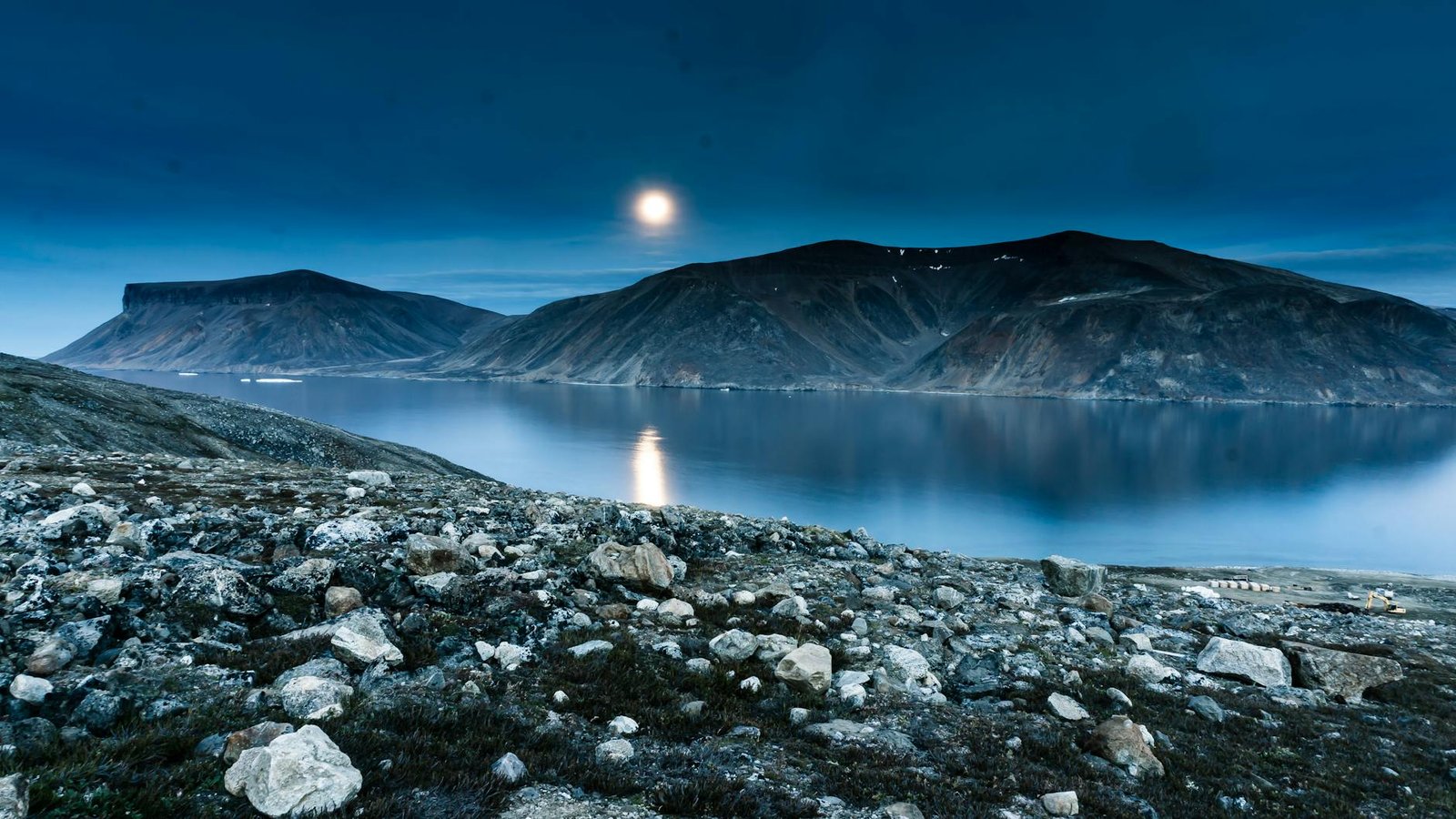
Akpatok Island isn’t on most cruise itineraries — and that’s exactly what makes it extraordinary. This remote limestone plateau rising from Ungava Bay is one of the least-visited landmasses on the planet, a place where thick-billed murres darken the sky in their millions and polar bears patrol the shoreline below towering cliffs. Come expecting emptiness, and you’ll find a world thrumming with raw, almost overwhelming life.
Arriving by Ship
There is no dock, no pier, no port authority waving you in — Akpatok is uninhabited, and your ship will anchor offshore in the cold, steel-grey waters of Ungava Bay. You’ll reach the island by Zodiac or tender, landing on rocky beaches at the base of dramatic limestone cliffs that rise up to 150 metres straight out of the sea.
The approach itself is unforgettable. Your expedition team will scout safe landing zones depending on weather and sea conditions, so flexibility is essential — this is genuine polar expedition travel, not a scheduled port call.
Things to Do

Akpatok rewards the curious, the patient, and anyone who can handle biting Arctic wind in exchange for wildlife encounters that simply don’t exist anywhere else on a cruise itinerary.
Wildlife & Nature
- Witness the thick-billed murre colonies — an estimated 300,000 breeding pairs nest on the island’s cliff ledges, creating an almost deafening wall of sound and movement visible from the water.
- Scan for polar bears along the shoreline — Akpatok is a known polar bear habitat, and sightings during shore excursions are genuinely common; always stay close to your expedition guide.
- Watch Arctic foxes scavenging below the cliffs — these quick, fearless animals feed on fallen murre eggs and chicks and are remarkably unbothered by human presence.
- Look for beluga whales in Ungava Bay — the waters surrounding the island are a summer feeding ground for belugas, often visible from the ship or during your Zodiac approach.
- Observe glaucous gulls and black-legged kittiwakes — alongside the murres, the cliff faces host multiple seabird species, making this a bucket-list destination for birders.
Exploration & Landscape
- Hike the plateau rim with your expedition team — the flat limestone top of the island offers vast, treeless Arctic tundra views stretching to the horizon in every direction.
- Examine the karst geology up close — Akpatok’s limestone surface is riddled with unusual weathered formations, sinkholes, and fossils embedded in exposed rock faces.
- Stand at the base of the sea cliffs — looking upward at 150 metres of sheer rock draped in nesting seabirds is a visceral, humbling experience unlike anything in more visited destinations.
- Photography from the Zodiac — cruising slowly along the cliff base at water level gives you extraordinary wildlife shots without disturbing nesting colonies.
What to Eat
There are no restaurants, cafés, or food vendors on Akpatok Island — it is completely uninhabited, so all your meals come from the ship. Most expedition vessels sailing these waters are well-prepared for this reality and serve hearty, warming food designed to fuel cold-weather exploration.
- Ship-prepared Arctic char — many expedition cruise lines source locally caught Arctic char and serve it simply grilled; expect clean, pink flesh with a mild flavour, typically included in dining packages.
- Hot soup on deck during Zodiac returns — a small but deeply appreciated ritual on most polar expedition ships; watch for crew offering bowls of warming broth as you climb back aboard.
- Bannock bread — some expedition chefs with northern experience include this traditional Indigenous flatbread as part of the cultural programming on board; simple, dense, and satisfying.
- Ship-cooked game and foraged inspired menus — higher-end expedition lines like Ponant or Silversea often theme their menus around the regions they sail, so Arctic-inspired dishes featuring seal or caribou can appear on the menu.
Shopping

There is nothing to buy on Akpatok Island itself — bring your wallet back to the ship. If your itinerary includes stops in Kuujjuaq or other Nunavik communities before or after, look for Inuit soapstone carvings, hand-sewn sealskin items, and prints from local cooperatives, which make genuinely meaningful souvenirs that directly support Indigenous artists.
Avoid purchasing any wildlife products without proper documentation, as strict Canadian and international regulations govern the export of marine mammal products. When in doubt, ask the expedition team — they’ll steer you right.
Practical Tips
- Currency is the Canadian dollar (CAD), though it’s irrelevant on the island itself; carry cash for any community stops on your wider itinerary.
- Dress in layers you can trust — temperatures near Ungava Bay can drop sharply even in July and August, with wind chill making it feel far colder than the thermometer reads.
- Listen to your expedition guides without exception — polar bear activity near landing zones is real, and safety protocols exist for good reason.
- Bring waterproof Zodiac bags — spray and splashing during landings can soak camera gear and dry bags are non-negotiable.
- The best time to visit is July to August, when murre colonies are at peak activity and ice conditions allow ship access.
- You’ll need 3–5 hours ashore to do the island justice, though conditions may limit your time.
- Binoculars are non-negotiable — bring the best pair you own, as the scale of the cliffs means wildlife is often at significant distance.
Akpatok Island will strip away every expectation you had about a cruise port and replace it with something far stranger, louder, and more magnificent than you imagined possible.
📍 Getting to Akpatok Island, Nunavut Canada
Use the interactive map below to explore the port area and plan your route from the terminal.
Leave a Reply