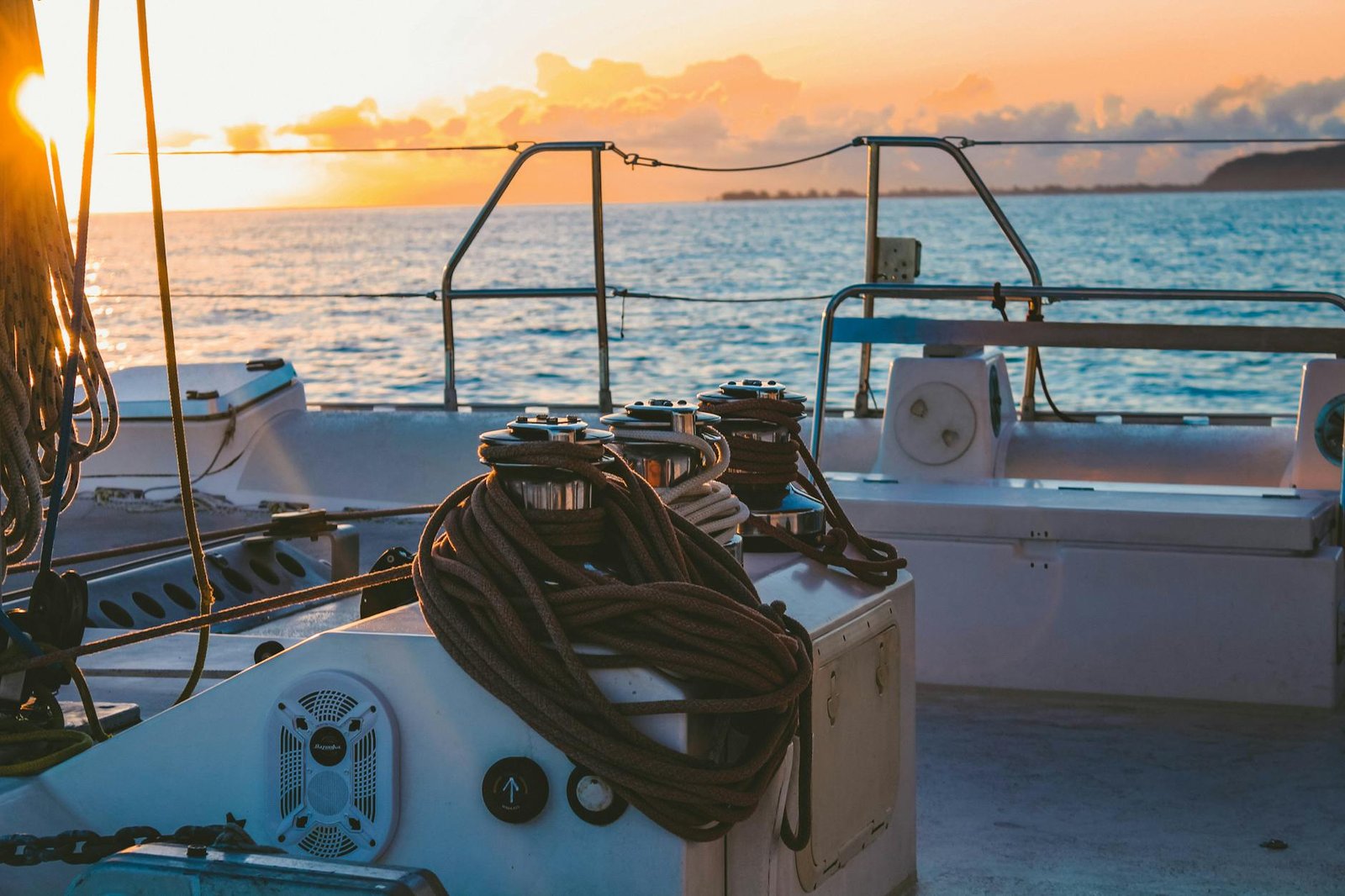
Few places on Earth reward the curious traveller quite like Fakarava. This remote coral atoll in the Tuamotu Archipelago is a UNESCO Biosphere Reserve, a world-class dive destination, and one of those rare spots where nature genuinely hasn’t been tidied up for tourists. If your ship drops anchor here, consider yourself extraordinarily lucky.
Arriving by Ship
Fakarava doesn’t have a conventional cruise terminal — and that’s precisely part of its charm. Most ships anchor offshore and ferry passengers in by tender, depositing you onto a sliver of land so narrow you can sometimes see the lagoon on one side and the open ocean on the other simultaneously. The main village, Rotoava, sits on the northeastern tip of the atoll and greets you with a handful of paved paths, swaying palms, and an almost surreal quiet. Don’t expect a bustling port scene. Instead, expect turquoise water so clear you’ll wonder if someone Photoshopped it. The scale of the lagoon — one of the largest in French Polynesia — becomes immediately, gloriously apparent the moment you step ashore.
Things to Do

Fakarava’s reputation rests almost entirely on what lies beneath the surface, and for good reason. The Garuae Pass, the largest pass in French Polynesia, offers diving and snorkelling experiences that border on spiritual. Hundreds of grey reef sharks congregate here in what divers reverently call the “wall of sharks,” drifting effortlessly in the current alongside Napoleon wrasse, barracuda, and kaleidoscopic reef fish. Even if you’re not a diver, snorkelling just inside the pass delivers an experience most people struggle to describe without reaching for superlatives.
Above the waterline, the atoll rewards slow exploration. Rent a bicycle — the flat terrain makes cycling genuinely enjoyable rather than a cardio punishment — and pedal along the single road that threads through Rotoava. You’ll pass the pretty white coral church of Saint-Anne, built in the 19th century and still very much in use, its walls made from the very reef beneath your feet. Keep cycling and the village quickly gives way to pure wilderness: coconut groves, hermit crabs crossing your path, and the occasional motu (islet) accessible by kayak or small boat.
For those who want to stay dry, the lagoon itself is spectacular from the surface. Many ship excursions offer glass-bottom boat rides or lagoon tours where you can spot rays, blacktip sharks in the shallows, and multicoloured coral gardens without getting wet. It’s one of those rare places where a gentle boat trip genuinely competes with a dive.
Local Food
Fakarava is not a foodie destination in the conventional sense, and you should adjust expectations accordingly. The island has a handful of small restaurants and snack bars (the local term for casual eateries), where the menus lean heavily on what the sea provides. Poisson cru — raw tuna marinated in lime juice and coconut milk — is the dish you absolutely must try. It’s everywhere in French Polynesia, but here, with fish caught that morning from waters of almost impossible clarity, it tastes different. Fresher. More vivid.
Look out for grilled mahi-mahi served with rice and a simple salad, and don’t skip locally grown coconut in any form: fresh, in a sauce, or pressed into oil. Small family-run pensions sometimes offer lunch to day visitors if you arrange it in advance, which is always worth doing for a more authentic, home-cooked experience. Bring cash, keep expectations appropriately humble, and you’ll eat very well.
Shopping

Shopping in Fakarava is refreshingly uncomplicated. There are no souvenir megastores, no aggressive vendors, no rows of identical fridge magnets. What you will find are small craft stalls and boutiques near the village where local artisans sell black pearls — the Tuamotu’s most precious export — along with hand-woven hats, baskets, and shell jewellery. Black pearls from this region are genuinely beautiful and a meaningful keepsake, but do your research beforehand so you can distinguish quality from tourist-grade pieces. Ask questions, look closely at lustre and shape, and buy from individuals who can tell you where the pearl was farmed.
A few small épiceries (general stores) sell cold drinks, snacks, and basic supplies if you need anything practical. Don’t expect boutiques or branded goods — and honestly, that’s one of Fakarava’s greatest gifts.
Practical Tips
Bring cash in Pacific francs (XPF), as card payment is unreliable or unavailable at most small vendors. The sun here is genuinely fierce — UV levels in the South Pacific are no joke — so bring high-SPF sunscreen, a hat, and a rash guard if you’re planning to snorkel. Reef-safe sunscreen is not just recommended here; consider it mandatory in a UNESCO Biosphere Reserve. Insect repellent is useful, particularly around dusk. Tender schedules can be affected by weather or sea conditions, so keep an ear out for ship announcements and never push the return window too tightly.
The internet is extremely limited on the island, so download offline maps and any information you need before you go ashore. Language is not generally a barrier — most locals dealing with tourists speak some English — but a few words of French go a long way and are always warmly received.
Fakarava doesn’t dazzle you with monuments or nightlife. It dazzles you with silence, with sharks circling in blue water, and with a landscape so otherworldly you’ll find yourself staring at the horizon long after you’ve returned to the ship.
Leave a Reply