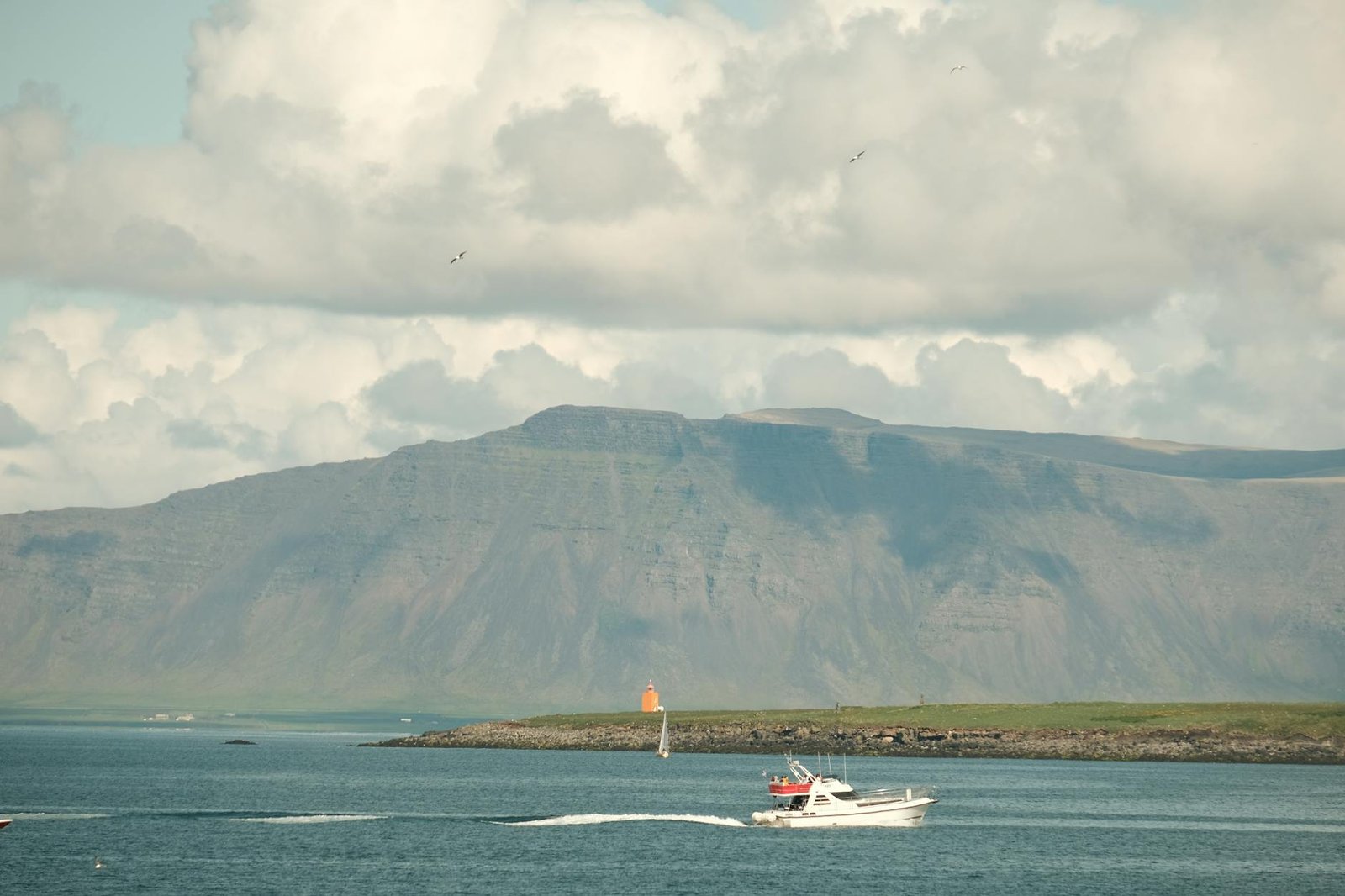
Reykjavik doesn’t ease you in gently — it hits you with raw, volcanic drama the moment it appears on the horizon. This is a city where geothermal steam curls above colourful rooftops, where the light shifts from silver to gold in minutes, and where the world feels genuinely, thrillingly different. If you’ve got one port day to spend somewhere unforgettable, this is it.
Arriving by Ship
Reykjavik’s cruise ships dock at Skarfabakki Port, a dedicated terminal about 3 kilometres east of the city centre. It’s a straightforward berthing situation — no tendering — and the port has basic facilities including toilets and some transport options right outside.
A free shuttle sometimes runs between the terminal and the old harbour area, but it’s worth confirming with your cruise line beforehand. Taxis, buses, and organised tour coaches are all available dockside, and the walk into town along the waterfront takes around 30–40 minutes if you’re feeling adventurous.
Things to Do

Reykjavik punches well above its weight for a capital city of just 130,000 people. From Viking history to geothermal bathing, you could fill three days here easily — so prioritise ruthlessly if you’re only ashore for one.
Culture & Landmarks
- Hallgrímskirkja Church towers 74 metres above the city and offers a panoramic lift to the top for around 1,000 ISK (approx. USD 7) — the view of the coloured rooftops and bay is worth every króna.
- Harpa Concert Hall is free to walk through and its honeycomb glass facade is one of the most photographed structures in Iceland; check for lunchtime concerts if you’re lucky.
- The National Museum of Iceland covers 1,200 years of Icelandic history for around 2,500 ISK (approx. USD 18) and is open daily 10am–5pm.
- Laugavegur Street is the main shopping and cultural artery — spend at least an hour wandering its independent cafés, galleries, and boutiques.
Nature & Adventure
- Sky Lagoon is a cliffside geothermal pool with dramatic ocean views, just 7 minutes from the port; entry with the signature ritual package starts around USD 65.
- Icelandic Horseback Riding lets you trot across lava fields on the famously gentle Icelandic horse breed — tours with pickup from Reykjavik run approximately 2 hours and start from USD 129. 🎟 Book: Icelandic Horseback Riding Tour with Pickup Option from Reykjavik
- Whale Watching from the Old Harbour departs several times daily, with humpback and minke whale sightings common between May and October; tours typically cost around USD 80–100 per adult.
- Reykjanes Peninsula Day Trip gives you access to the Blue Lagoon area and dramatic volcanic landscapes just 45 minutes from the city.
Families
- Perlan Museum has an indoor ice cave, a planetarium, and nature exhibitions — brilliant for kids and adults alike, with tickets around USD 30 per adult.
- Reykjavik Zoo & Family Park is low-key but charming, featuring Icelandic farm animals and a small funfair; great for younger children.
What to Eat
Icelandic cuisine has evolved dramatically over the past decade, and Reykjavik’s food scene now rivals many European capitals for creativity and quality. Seafood is the obvious star, but don’t overlook the lamb.
- Skyr is a thick, protein-rich Icelandic dairy staple — try it plain or with berries at almost any café for around USD 3–5; it’s the breakfast of champions here.
- Lamb Soup (Kjötsúpa) is warming, hearty, and deeply Icelandic — order it at Café Loki opposite Hallgrímskirkja for around USD 15.
- Fresh Langoustine from the harbour stalls near the Old Harbour is sweet, succulent, and shockingly affordable compared to mainland Europe; expect USD 10–15 for a bowl.
- Icelandic Hot Dog (Pylsa) from Bæjarins Beztu Pylsur — the city’s most famous street food stand — costs under USD 5 and is genuinely exceptional; topped with raw and fried onion, mustard, and rémoulade.
- A Reykjavik Food Walk is the smartest way to eat your way through the city in one go, with a guided 3-hour local foodie adventure starting from USD 146. 🎟 Book: Reykjavik Food Walk – Local Foodie Adventure in Iceland
- Hákarl (fermented shark) is an acquired taste that most visitors try once, out of sheer curiosity — available at Café Loki as part of a traditional tasting plate.
Shopping

Reykjavik rewards shoppers who look beyond the tourist magnets. The streets around Laugavegur and Skólavörðustígur are packed with independent designers, woolcraft studios, and artisan food shops. Look for hand-knitted lopapeysa (Icelandic wool sweaters) — they’re expensive for a reason; machine-made imitations are sold widely, so check the label carefully.
Avoid cheap plastic Viking helmets and generic souvenir shops clustered near the main square. Instead, head to Handknitting Association of Iceland on Skólavörðustígur for certified handmade knitwear, or pick up Icelandic sea salt, dried fish snacks, and craft schnapps as carry-on-friendly gifts.
Practical Tips
- Currency is the Icelandic Króna (ISK) — cards are accepted almost everywhere, but having some cash for market stalls is handy.
- Tipping is not expected in Iceland, though rounding up the bill at restaurants is appreciated.
- Dress in layers — Reykjavik weather can deliver sun, rain, and wind within the same hour, even in summer.
- Go ashore early — most attractions open by 9–10am and the light is spectacular in the morning.
- You need at least 6–7 hours to cover the key sights comfortably; a full day is ideal.
- Taxis are reliable but expensive — agree on a price or use the meter; the Hreyfill app works well locally.
- If your ship docks at Keflavík instead, transfers to Reykjavik city centre take around 45 minutes and start from USD 31. 🎟 Book: Iceland: Airport Transfers between Keflavík and Reykjavik Center
Reykjavik will get under your skin in the best possible way — leave the ship, lean into the cold salt air, and let Iceland do the rest.
🎟️ Things to Book in Advance
These highly-rated experiences fill up fast — book before you arrive to avoid missing out.


This page contains affiliate links. If you book through them, we may earn a small commission at no extra cost to you.
📍 Getting to Reykjavik, Iceland
Use the interactive map below to explore the port area and plan your route from the terminal.
Leave a Reply