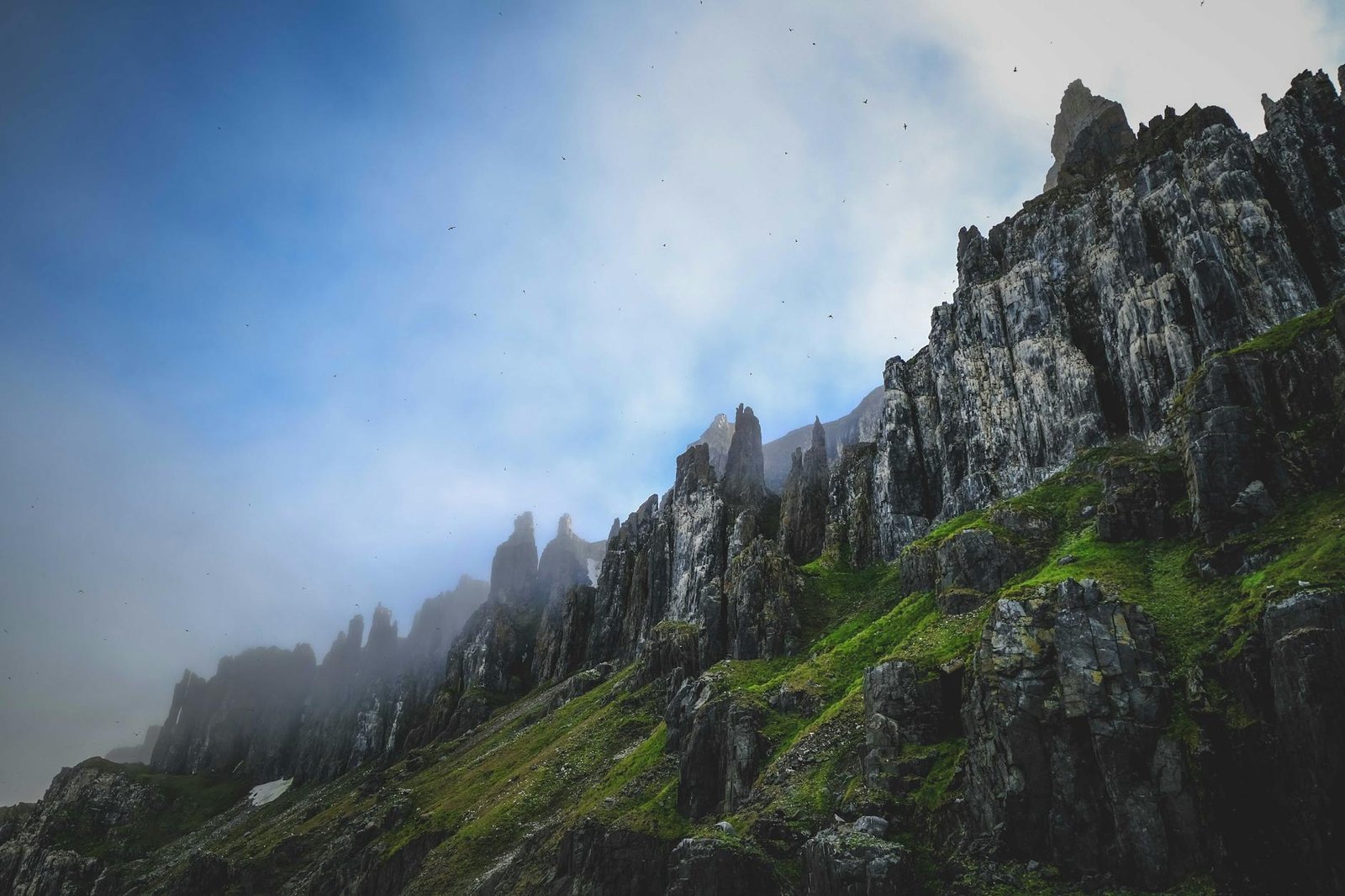
Barentsøya isn’t on most travellers’ radar — and that’s exactly the point. This remote Svalbard island swaps tourist infrastructure for raw, unfiltered Arctic wilderness that genuinely stops you in your tracks. What you expect is ice and silence; what you find is a living, breathing ecosystem that feels like the edge of the known world.
Arriving by Ship
There is no dock, no pier, no welcome sign — Barentsøya receives visitors exclusively by Zodiac tender, typically landing at the broad, flat coastal areas near Kapp Waldburg or along the island’s southern shores. Your expedition ship anchors offshore, and the landing itself is part of the adventure: rubber boots on, brace for the swell, and step onto a beach that likely hasn’t seen footprints in months.
This is strictly an expedition port, meaning only vessels with certified Arctic guides operate here. Landings are entirely weather- and ice-dependent, so flexibility is non-negotiable — embrace it.
Things to Do

Barentsøya rewards the curious and the patient. There are no museums, cafés, or marked trails — just vast tundra, geological drama, and wildlife encounters so close they feel surreal.
Wildlife & Nature
- Polar bear spotting is the headline act: Barentsøya sits within one of Svalbard’s highest bear-density zones, and sightings during landings are genuinely common — guides carry rifles as a precaution, not for drama.
- Walrus haul-outs at Kapp Waldburg offer some of Svalbard’s most reliable walrus encounters; hundreds of animals sometimes pile onto the beach in blubbery, bellowing heaps.
- Arctic fox tracking across the tundra reveals these surprisingly bold animals, often bleached white in winter coats and utterly unafraid of human visitors.
- Ringed and bearded seals pop up constantly along the shoreline, hauled out on ice floes or surfacing curiosly near the Zodiacs during coastal cruising.
- Zodiac cruising along sea ice lets you drift silently through floating ice formations, spotting seabirds and occasionally the ghostly shape of a beluga whale beneath the surface.
- Birdwatching at coastal cliffs delivers barnacle geese, little auks, glaucous gulls, and — in summer — the iconic Arctic tern, dive-bombing anything it considers a threat with zero hesitation.
Geology & Landscape
- The island’s plateau terrain is a textbook example of Svalbard’s raised beach geology — ancient shorelines now sitting high above sea level, telling a 10,000-year story of glacial rebound.
- Glacier observation from the water is spectacular: Barentsøya’s eastern face holds active tidewater glaciers that calve directly into the Storfjorden, producing thunderclap booms and cathedral-blue ice walls.
- Tundra walks with guides cover soft, mossy ground dotted with Arctic wildflowers in July and August — reindeer grazing lazily on the slopes make the scene almost absurdly picturesque.
What to Eat
You won’t find a single restaurant on Barentsøya — all meals happen aboard your expedition ship, and the galley becomes your best friend after a cold, exhilarating landing. That said, expedition vessels sailing Svalbard take their food seriously, and regional ingredients appear regularly on the menu.
- Arctic char — a cold-water fish native to Svalbard’s rivers, often served pan-seared or smoked; expect it as a starter aboard most expedition ships sailing this region.
- Reindeer stew — a Svalbard staple made with the island’s small, hardy reindeer; rich, gamey, and deeply warming after hours in the cold — look for it on your ship’s dinner rotation.
- King crab from the Barents Sea — occasionally featured on expedition menus as a special occasion dish; sweet, dense meat that absolutely justifies the fuss.
- Rye crispbread with brunost — Norwegian brown cheese on dark crispbread served at breakfast and snack time; it sounds humble but becomes genuinely addictive at minus ten degrees.
- Hot chocolate and aquavit on deck — post-landing tradition on many expedition ships; the aquavit cuts the cold, the hot chocolate soothes the soul. Usually complimentary or included in your expedition package.
Shopping

Barentsøya itself has nothing to buy — there are no shops, kiosks, or vendors of any kind on the island. Any Svalbard shopping happens in Longyearbyen, the main settlement you’ll likely pass through before or after your expedition.
In Longyearbyen, look for high-quality Norwegian wool products, locally designed Svalbard ceramics, and expedition-grade outdoor gear at stores like Svalbardbutikken. Avoid cheap novelty polar bear souvenirs — they’re imported and do nothing to support the local economy.
Practical Tips
- Currency is the Norwegian Krone (NOK), but virtually everything relevant to Barentsøya is prepaid through your expedition package — carry some cash for Longyearbyen shopping.
- Tipping is not expected in Norwegian culture, though many travellers tip expedition guides discretely at the end of a voyage.
- Dress in waterproof layers: temperatures hover between -5°C and 8°C even in summer, and Zodiac landings guarantee wet boots and windchill.
- Listen to your guides absolutely: polar bear protocols are enforced strictly, and solo wandering ashore is forbidden — this is genuinely for your safety.
- The best time to visit is June to September, when wildlife is most active, midnight sun provides extraordinary light, and sea ice is manageable.
- Allow at least half a day for a full Barentsøya landing, including the Zodiac transfer, guided walk, and coastal cruise — rushing it misses everything.
- Bring binoculars rated for low light: the flat tundra rewards distance scanning, and you’ll regret going without them after your first walrus sighting half a kilometre away.
Step off that Zodiac, plant your boots on this ancient beach, and prepare to feel genuinely, wonderfully small — Barentsøya doesn’t perform for visitors, it simply exists, magnificently, on its own terms.
📍 Getting to Barentsoya Island, Svalbard Norway
Use the interactive map below to explore the port area and plan your route from the terminal.
Leave a Reply