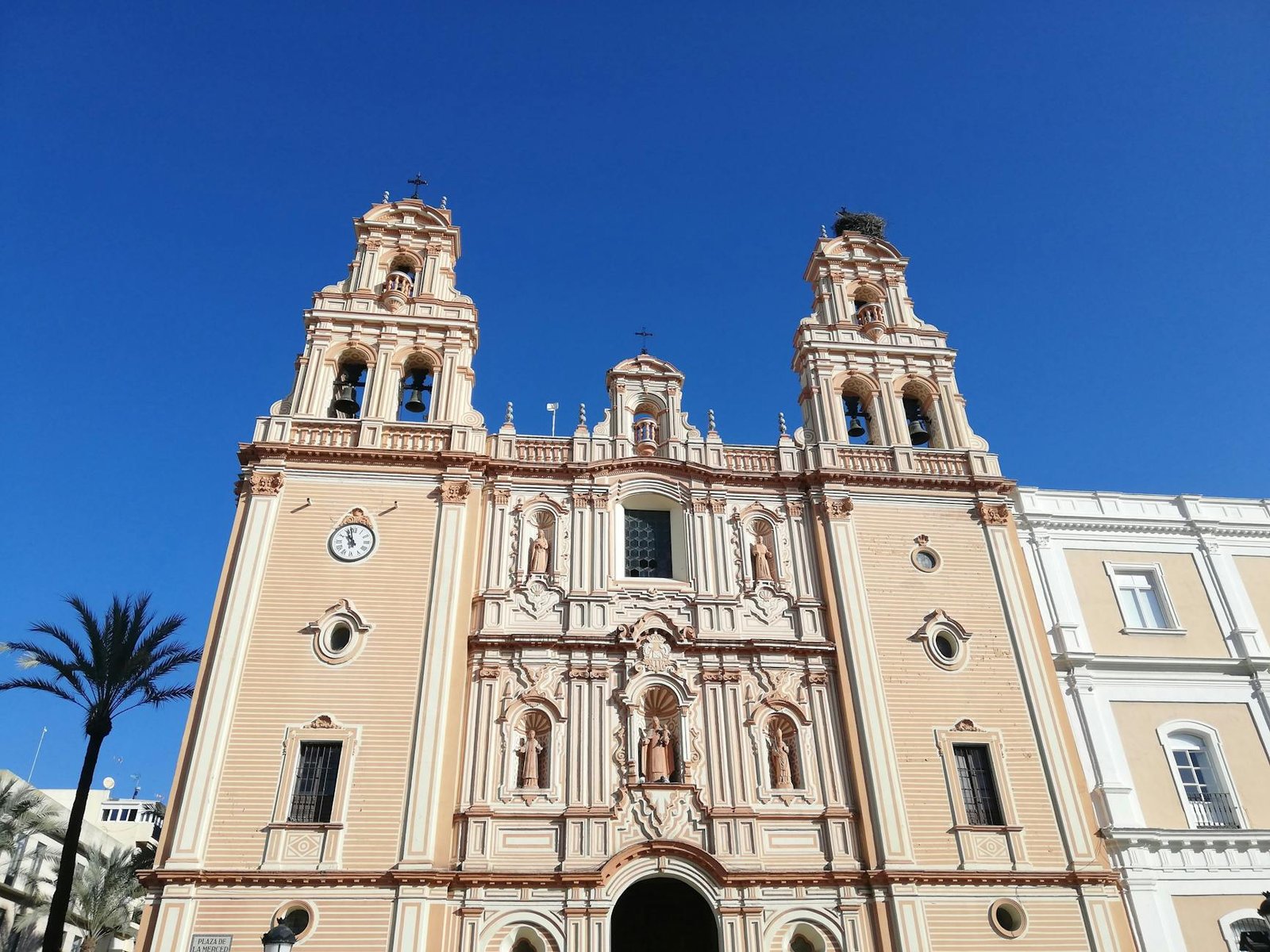
Huelva doesn’t shout for attention the way Seville or Málaga do, and that’s precisely what makes it worth your time. Tucked into the southwestern corner of Andalusia where the Tinto and Odiel rivers meet the Atlantic, this quietly confident port city punches well above its weight in history, gastronomy, and natural beauty. If your cruise itinerary has dropped you here, consider yourself lucky — you’ve stumbled onto one of Spain’s most underrated stops.
Arriving by Ship
Cruise ships dock at the Port of Huelva, which sits close to the city centre — you can typically walk or take a short taxi ride into the heart of town within 10 to 15 minutes. The port area is functional rather than picturesque, but don’t let that first impression fool you. A passenger terminal provides basic facilities, and you’ll usually find local taxis and occasional shuttle services waiting near the dock. English is less widely spoken here than in the bigger Andalusian cities, so having a few Spanish phrases ready will go a long way. Most cruise calls here are day visits, so plan your time carefully — there’s more to pack in than a single afternoon might suggest.
Things to Do

Start at the Barrio Reina Victoria, a neighbourhood built by the British-owned Rio Tinto Mining Company in the early 20th century, where red-brick semi-detached houses create a surreal slice of suburban England plonked into Andalusia. It’s strange, charming, and completely free to wander.
From there, make your way to the Columbus Monument and the nearby Muelle de las Carabelas (Wharf of the Caravels), where full-scale replicas of the Niña, Pinta, and Santa María sit on the banks of the Río Tinto. Huelva is, after all, the departure point of Columbus’s 1492 voyage, and this living museum does justice to that extraordinary legacy.
If your ship is in port long enough — or if you’re keen to venture further afield — the surrounding region offers even richer rewards. A day trip into the Sierra de Aracena takes you through whitewashed villages, jamón cellars, and the extraordinary Rio Tinto mines, where the rust-red landscape looks more like Mars than southern Spain. 🎟 Book: Aracena & Riotinto Mines Tour from Seville Alternatively, consider a private transfer toward Lisbon with a couple of hours of sightseeing built in — a brilliant option if your cruise itinerary allows for some flexibility. 🎟 Book: Private transfer from Seville to Lisbon, 2 hours for sightseeing
Don’t miss the Doñana National Park either, one of Europe’s most important wetland reserves and a UNESCO World Heritage Site that begins just east of Huelva. Even a brief visit to its edges reveals flamingos, lynx habitats, and vast Atlantic pine forests.
Local Food
Huelva’s food scene is one of the finest arguments for spending serious time in the city. The province produces what many Spaniards will tell you — with complete sincerity — is the world’s best jamón ibérico. The pigs roam the oak forests of the Sierra de Aracena eating acorns, and the result is a cured ham with a nutty, silky depth that bears no resemblance to anything you’ve tasted before. Order it at any bar and eat it slowly, ideally with a cold glass of fino sherry or local white wine.
Seafood is equally extraordinary here. The Langostino de Huelva — the local prawn — is considered Spain’s finest, and you’ll find it simply grilled or boiled at restaurants around the port and market. Try a plate at the Mercado del Carmen, the city’s main covered market, where you can also pick up olives, cheese, and fresh fish to appreciate the raw bounty of the region. For something with a little more theatre, look out for guided tastings that pair local products with Spanish spirits — a fun, informal way to eat and drink your way through Huelvan culture in under two hours. 🎟 Book: Guided Spanish Tour with 3 GIN Tasting
Shopping

Huelva’s shopping is refreshingly local and unhurried. The pedestrianised streets around Calle Berdigón and Calle Concepción form the main commercial artery, lined with independent Spanish fashion boutiques, delis, and homeware shops. This is where residents actually shop, rather than a curated tourist zone.
For edible souvenirs, jamón ibérico is the obvious choice — vacuum-packed slices travel well — alongside local wines, olive oil, and tins of anchovies or tuna from the Atlantic coast. The covered market is your best bet for genuine, locally-sourced products at honest prices. Avoid the port-adjacent souvenir shops if authenticity matters to you.
Practical Tips
The city centre is compact and walkable, but the summer heat in Andalusia is fierce — bring water, sunscreen, and light clothing if you’re visiting between June and September. Most restaurants don’t open for lunch until 2pm and dinner rarely before 9pm, so plan your meals around Spanish rhythms rather than cruise ship schedules. Taxis are affordable and reliable for getting between the port and sights; ride-hailing apps like Cabify also work here. The euro is the currency, and while cards are increasingly accepted, carrying a little cash is wise for markets and smaller bars. ATMs are easy to find in the city centre.
Huelva rewards curiosity. It’s a city that doesn’t perform for tourists — it simply gets on with being itself, and invites you to pull up a chair, order a prawn, and stay a little longer than you planned.
🎟️ Things to Book in Advance
These highly-rated experiences fill up fast — book before you arrive to avoid missing out.


This page contains affiliate links. If you book through them, we may earn a small commission at no extra cost to you.
Leave a Reply