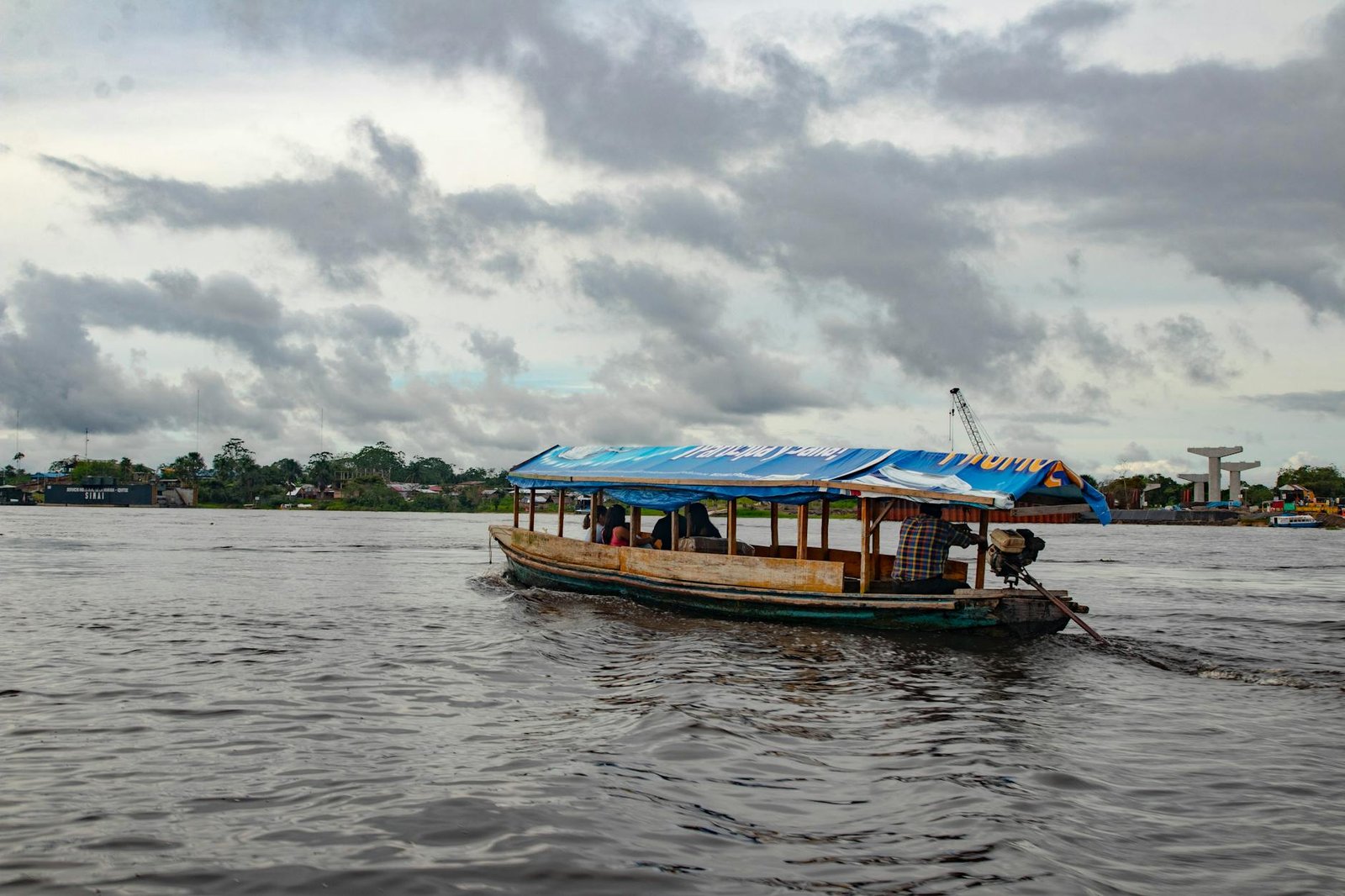
Matarani is one of South America’s lesser-known cruise stops, yet it sits at the doorstep of one of Peru’s most dramatic and captivating cities. While the port itself is a working industrial hub rather than a tourist destination, it serves as your launchpad into the high-altitude wonders of the surrounding Arequipa region. Come prepared, move fast, and this compact stop could easily become one of the most memorable days of your entire voyage.
Arriving by Ship
Matarani’s port sits on Peru’s southern Pacific coast, roughly 100 kilometres southwest of Arequipa. The port handles commercial cargo as well as cruise vessels, so don’t expect the polished marina atmosphere of other South American stops — this is a utilitarian space, functional and no-frills. Tenders are sometimes required depending on your ship’s size, so check with your cruise director the night before arrival.
Once ashore, you’ll find taxis and organised tour operators waiting near the port gates. The road to Arequipa winds through the coastal desert before climbing dramatically into the Andes, offering sweeping views of arid landscape that shift in colour and texture as you gain altitude. Budget roughly 90 minutes each way for the drive, so time management is absolutely essential here.
Things to Do

Given the drive time, most travellers wisely focus their energy on Arequipa, known as the “White City” for its stunning colonial architecture built from sillar, a pale volcanic stone. The Plaza de Armas is genuinely one of the most beautiful main squares in all of South America — cathedral, arcaded buildings, and a fountain all framed by the snow-capped Misti volcano looming in the background.
Don’t miss the Santa Catalina Monastery, a city-within-a-city that sprawls across nearly two hectares of vivid cobblestone streets painted in brilliant ochre, terracotta, and blue. It’s visually extraordinary and quietly meditative. For history lovers, the Museo Santuarios Andinos houses Juanita the Ice Maiden, a remarkably preserved Inca child mummy that provides a sobering, fascinating window into pre-Columbian ritual life. A full-day guided excursion from the port is genuinely the smartest way to see Arequipa efficiently — covering key landmarks with expert commentary and leaving the logistics to someone else. 🎟 Book: Arequipa tour from Matarani Port
Local Food
Arequipa has one of Peru’s most distinctive regional cuisines, and eating here is an unmissable experience. The city gave the world rocoto relleno — a spicy red pepper stuffed with minced meat, cheese, and herbs, then baked until bubbling — and it’s absolutely worth seeking out at a traditional picantería. These family-run restaurants are the soul of Arequipan food culture, serving generous portions in unpretentious surroundings.
Chupe de camarones is another must-try: a hearty, complex shrimp chowder made with milk, eggs, potatoes, and ají amarillo chilli. It’s warming, deeply flavoured, and utterly unique to this region. If you have a sweet tooth, finish with queso helado — a local “ice cream” made with cinnamon, coconut, and sweet milk that tastes nothing like its name suggests and everything like a happy accident. The San Camilo market in central Arequipa is an excellent, vibrant place to graze, sample, and soak up everyday Peruvian life.
Shopping

Arequipa is famous throughout Peru for its alpaca and baby alpaca textile industry, and shopping here can be genuinely rewarding if you know what to look for. The streets around Santa Catalina monastery are lined with boutiques selling scarves, ponchos, gloves, and cardigans in incredibly soft fibres. Baby alpaca is the finest grade — softer than cashmere — and while quality pieces aren’t cheap, they last for decades and make exceptional travel souvenirs.
For artisan crafts, silverwork, and handmade goods, the Fundo del Fierro artisan market offers a curated selection without the aggressive hustle of street stalls. Pisco bottles and regional spice blends also make excellent lightweight gifts to bring home. If you’re booking a guided day trip to the city, your guide can often steer you toward reputable shops where quality is consistent and prices are fair. 🎟 Book: Arequipa tour from Matarani Port
Practical Tips
Arequipa sits at approximately 2,300 metres above sea level — enough to cause mild altitude symptoms in some travellers. Drink plenty of water, take it gently on arrival, and avoid heavy alcohol before you’ve had a chance to acclimatise. Peruvian soles are the local currency, though US dollars are widely accepted in tourist-facing shops. Carry some small notes in soles for market purchases and tips.
Port days here are long but require careful time management — that 90-minute drive each way leaves you perhaps five to six hours in the city itself. Booking an organised excursion in advance removes all the guesswork. 🎟 Book: Arequipa tour from Matarani Port Make sure you’re back at the port gate at least 30 minutes before departure — ships wait for no one, even in paradise.
Matarani won’t win any awards as a cruise port on its own terms, but pair it with Arequipa’s extraordinary food, architecture, and Andean drama, and you’ve got a day that punches far above its weight.
🚢 Cruises That Stop at Matarani Peru
Ready to experience Matarani Peru for yourself? Search live sailings below — filter by departure port, cruise line, and travel dates to find the itinerary that works for you.
Widget not showing? Search all cruises to Matarani Peru on CruiseDirect ↗
Affiliate link — we may earn a commission if you book through it.
🎟️ Things to Book in Advance
These highly-rated experiences fill up fast — book before you arrive to avoid missing out.

This page contains affiliate links. If you book through them, we may earn a small commission at no extra cost to you.
📍 Getting to Matarani Peru
Use the interactive map below to explore the port area and plan your route from the terminal.
Leave a Reply