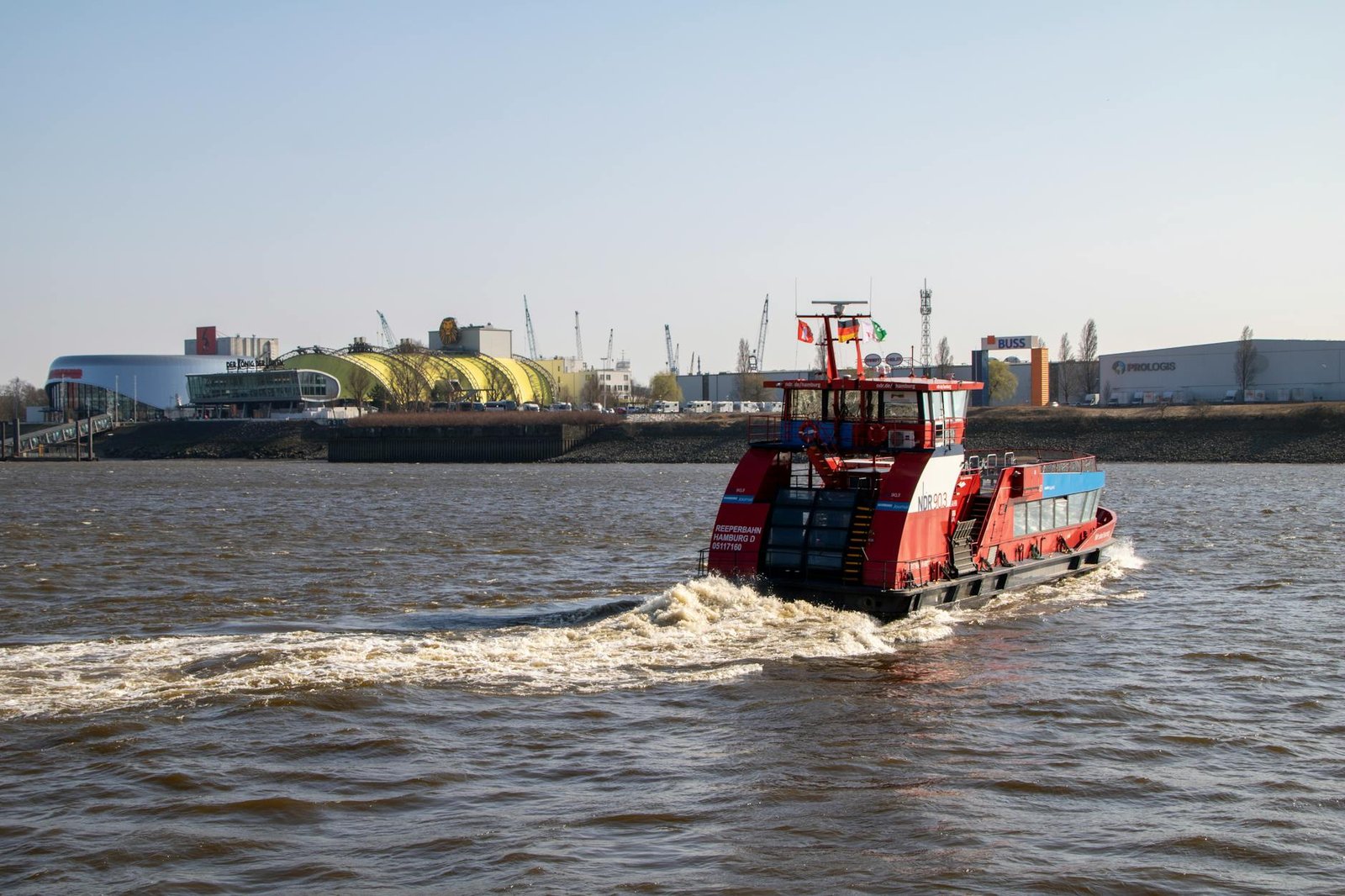
Hamburg isn’t just a port city — it’s one of Europe’s most dynamic, stylish, and surprisingly soulful destinations. As Germany’s second-largest city and its maritime heartbeat, it rewards curious visitors with a intoxicating mix of waterfront drama, world-class culture, gritty nightlife history, and some of the best seafood you’ll find anywhere north of the Alps. Whether you’re docking for a day or lingering longer, Hamburg has a habit of exceeding expectations.
Arriving by Ship
Cruise ships dock at the Hamburg Cruise Center, which operates across three terminals — HafenCity, Steinwerder, and Altona. The most centrally located is HafenCity, practically within walking distance of the striking Elbphilharmonie concert hall and the historic Speicherstadt warehouse district. Altona is slightly further out but still accessible, with a short taxi or Uber ride into the city center costing around €15–20.
The port area itself sets the tone beautifully. Hamburg’s harbor is the third-largest in Europe, and arriving by sea means you glide past enormous red-brick warehouses, sleek modern architecture, and a skyline punctuated by church spires — a visual reminder that this city has been a serious trading hub for over 800 years.
Things to Do

Hamburg rewards walkers, but given its scale, it rewards cyclists even more. The city is flat, bike-friendly, and built for exploring at pace. A guided bike tour is arguably the best single thing you can do on a short visit — you’ll cover the Alster lakes, the Speicherstadt, the fish market area, and leafy residential neighborhoods that you’d otherwise never stumble across. 🎟 Book: Guided Hamburg City Bike Tour If you prefer a more curated highlights route, a dedicated biketour focusing on the city’s iconic sights is equally worthwhile. 🎟 Book: "Highlights of Hamburg" Biketour
The Speicherstadt — a UNESCO World Heritage Site — is mandatory. These vast 19th-century red-brick warehouse complexes, now repurposed as museums, design studios, and coffee roasters, are hauntingly photogenic, especially in low light or morning mist. Nearby, the HafenCity development is a lesson in how a city can reinvent its industrial waterfront without losing its soul.
For something darker and genuinely fun, the Hamburg Dungeon takes you through 800 years of the city’s bloodiest and most scandalous history — plague, pirates, and all. 🎟 Book: Hamburg Dungeon Admission Ticket It’s theatrical, atmospheric, and surprisingly educational beneath the theatrical screams.
Don’t skip the Reeperbahn. Yes, it’s famous as a red-light district, but it’s also where the Beatles cut their teeth in the early 1960s, and its cultural layers run much deeper than its reputation suggests. An evening guided walk through St. Pauli reveals a neighborhood in constant, fascinating evolution.
Local Food
Hamburg’s food identity is anchored to the sea. The Fischmarkt (Fish Market), held every Sunday morning starting at 5am, is as much theatrical spectacle as food destination — vendors bellowing across the waterfront while tourists and locals jostle for smoked fish, fresh bread, and strong coffee. Even if you’re not in port on a Sunday, the spirit of Hamburg’s seafood culture is everywhere.
Order a Fischbrötchen at least once. This humble bread roll stuffed with pickled herring, bismarck herring, or smoked salmon is Hamburg’s most democratic culinary pleasure — available at harbour-side kiosks for just a couple of euros. For something more substantial, try Labskaus, a traditional sailor’s dish of corned beef, potatoes, and beetroot topped with a fried egg and rollmops, which is far more delicious than it sounds.
The Schanzenviertel and Karolinenviertel neighborhoods are where Hamburg’s contemporary food scene thrives, packed with independent restaurants, rooftop bars, and excellent Vietnamese and Middle Eastern kitchens running alongside classic German gastropubs.
Shopping

Hamburg is one of Germany’s premier shopping cities. The Mönckebergstraße is the main high-street artery, connecting the Hauptbahnhof to the Rathaus and lined with major German and international brands. For something more interesting, head to the Neuer Wall and Große Bleichen area — Hamburg’s answer to luxury retail, with flagship stores for European fashion houses and local concept boutiques.
The Schanzenviertel is where independent shopping really shines: vinyl record shops, handmade ceramics, niche perfumeries, and secondhand bookshops fill the side streets. The Karolinenviertel on a Saturday is particularly vibrant. For design-forward souvenirs, the Speicherstadt’s interior design and architecture studios often have quality pieces worth taking home.
Practical Tips
If you’re planning to use public transport or visit several paid attractions, the Hamburg CARD offers genuinely good value — covering unlimited public transport across the metro, bus, and ferry network plus discounts at dozens of museums and attractions. 🎟 Book: Hamburg CARD The U-Bahn and S-Bahn network is excellent and will get you almost anywhere you want to go without a taxi.
Hamburg is generally safe, walkable, and well-signposted in English. Tipping in restaurants is customary — rounding up or adding 10% is standard practice. The city’s weather is reliably unpredictable, so always carry a light waterproof layer regardless of what the forecast promises. German punctuality applies everywhere: if a tour says 10am, be there at 9:50.
Hamburg is the kind of port city that ruins you for lesser stops — too layered, too alive, and too genuinely itself to leave without wanting to come back. Give it your full attention and it will repay you generously.
🎟️ Things to Book in Advance
These highly-rated experiences fill up fast — book before you arrive to avoid missing out.


This page contains affiliate links. If you book through them, we may earn a small commission at no extra cost to you.
Leave a Reply