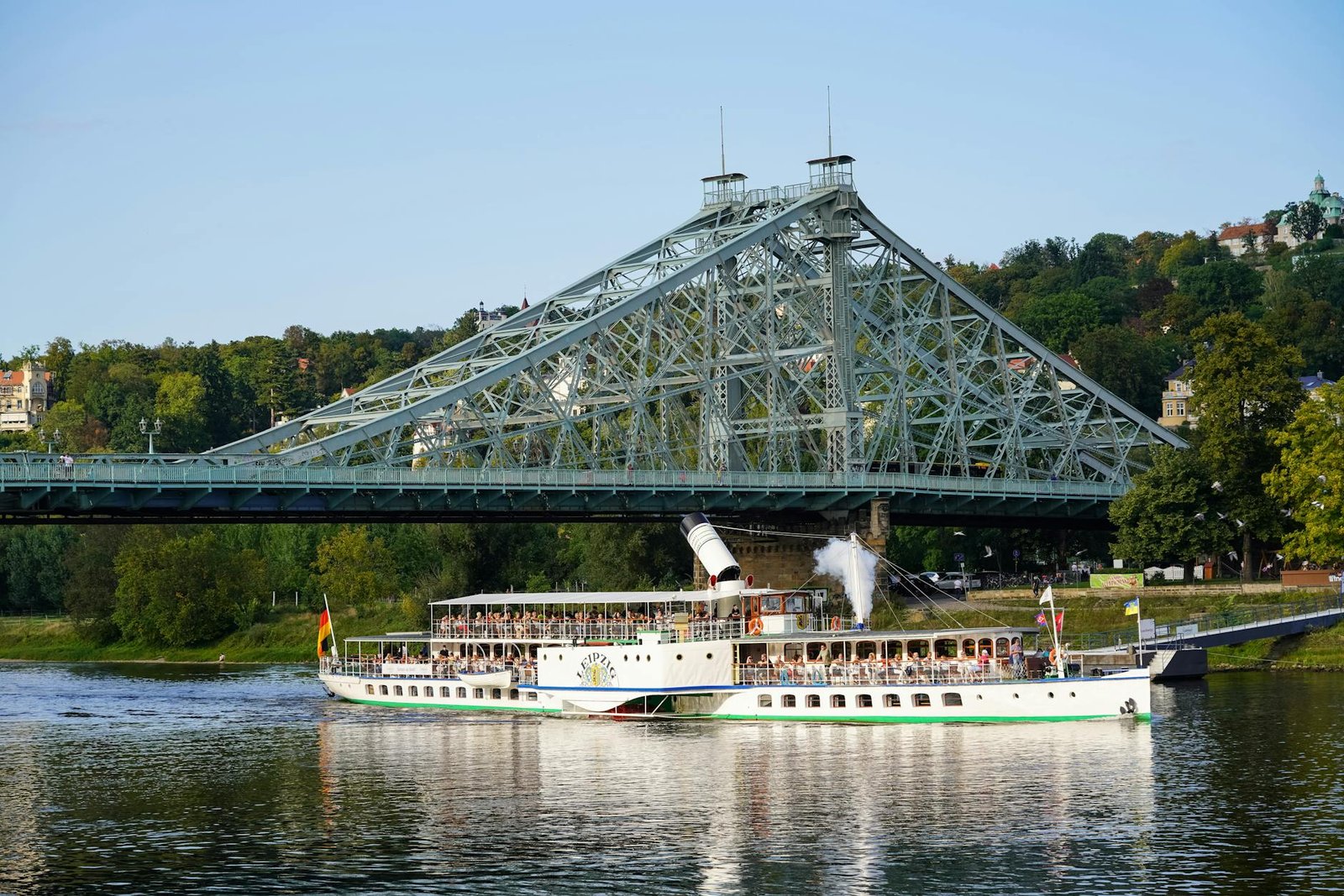
Eckernförde sits quietly on the Baltic coast of Schleswig-Holstein, largely bypassed by the cruise crowds that flood Hamburg and Copenhagen. That’s exactly why you should pay attention. This compact, unpretentious town rewards curious travellers with medieval streets, a legendary smoked herring tradition, and a beach that Germans have been obsessing over for centuries.
Arriving by Ship
Eckernförde doesn’t have a major deep-water cruise terminal, so most vessels anchor offshore and tender passengers into the small harbour area near the old town centre. The tender journey takes roughly 10–15 minutes, and once ashore you’re practically already in the heart of things — the main pedestrian zone is a two-minute walk from the landing point.
The harbour itself is charming rather than industrial, framed by colourful fishing boats and low-rise historic buildings. There’s no shuttle bus needed, no long transfer, and no industrial port fog to push through — you step off the tender and you’re already somewhere worth being.
Things to Do

Eckernförde punches well above its size when it comes to things to fill a port day. From sandy beaches and smoked-fish traditions to a surprisingly rich local history, there’s more than enough to keep you busy for six hours ashore.
History & Culture
- Stadtkirche St. Nicolai — Eckernförde’s oldest church dates to the 13th century and houses a remarkable Renaissance baptismal font; entry is free and it’s open most mornings.
- Eckernförde Museum (Stadtmuseum) — A small but well-curated local history museum on Rathausmarkt that covers the town’s naval heritage and the famous 1849 Battle of Eckernförde; entry is around €3.
- The Old Town (Altstadt) — Wander the pedestrianised Kieler Straße and surrounding lanes, where half-timbered merchants’ houses have survived largely intact since the 18th century.
Beaches & Nature
- Eckernförder Strand — One of the finest urban beaches on the Baltic, stretching nearly 3km with calm, shallow water; bring a towel and swim even in summer (sea temperature reaches around 18°C in July–August).
- Noor Lake — A serene lagoon just behind the beach, separated from the Baltic by a narrow strip of land, perfect for a short walk and birdwatching without leaving town.
- Ostseefjord Schlei — Day-trip paddling or sailing on the nearby Schlei inlet is bookable locally; ask at the harbour for rental options starting around €15/hour.
Families
- Eckernförde Harbour Promenade — Free to wander, always animated, with working fishing boats, ice cream kiosks, and regular fish market action that kids genuinely enjoy watching.
- Strand Playground Area — A well-equipped free playground sits directly behind the main beach, making this an easy option for families with young children.
What to Eat
Eckernförde’s food identity is built almost entirely around one thing: smoked fish from the Baltic. The town’s Räucherei (smokehouses) have operated for generations, and eating fresh-smoked sprats straight from the paper at the harbour is as close to a mandatory experience as travel gets.
- Geräucherte Sprotten (smoked sprats) — The town’s signature dish, sold from harbour smokehouses like Räucherei Strenk for around €4–6 a portion; eat them warm, standing at the waterfront.
- Geräucherter Aal (smoked eel) — Richer and meatier than the sprats, also available at harbour smokehouses for around €8–10; an acquired taste that converts most sceptics on the spot.
- Fischbrötchen (fish roll) — A soft white roll stuffed with pickled herring or smoked fish, available at harbour kiosks from around €3–4; the local version here is considered among the best on the Baltic coast.
- Rote Grütze — A classic northern German dessert of mixed red berries in a thick, glossy compote served with cream; found at most sit-down restaurants for around €5.
- Labskaus — A hearty sailor’s dish of corned beef, beetroot, and potato topped with a fried egg, available at traditional restaurants around the old town for €10–14.
- Local Craft Beer — Several café-bars in the old town stock beers from small Schleswig-Holstein microbreweries; a half-litre costs around €3.50–5.
Shopping

Eckernförde’s shopping is refreshingly low-key and locally focused. Skip the generic souvenir shops near the harbour and head instead to the independent boutiques and delis along Kieler Straße, where you’ll find locally produced smoked fish in sealed packaging (ideal for bringing home), handmade ceramics, and Baltic amber jewellery at reasonable prices.
The weekly market on Rathausmarkt (typically Tuesdays and Fridays) is the best place to buy regional produce, fresh bread, and artisan goods directly from local makers. Avoid buying amber unless it comes with provenance — cheap amber jewellery at tourist stalls is frequently synthetic resin.
Practical Tips
- Currency — Germany uses the euro; card payments are widely accepted but carry €20–30 in cash for market stalls and fish kiosks.
- Tipping — Round up restaurant bills or add 10% for good service; tipping is appreciated but not obligatory.
- Getting around — The entire town is walkable; you won’t need a taxi or bus for a typical port day.
- Best time ashore — Go early to catch the fish market at the harbour before lunchtime crowds arrive.
- Language — English is spoken by most tourism-facing businesses, but a simple Danke and Bitte go a long way.
- Safety — Eckernförde is exceptionally safe; standard travel awareness is all you need.
- How long you need — Four to six hours is ideal; two hours feels rushed, a full day feels just right.
Pack your appetite and your curiosity, and Eckernförde will quietly become one of the most memorable stops of your entire Baltic cruise.
📍 Getting to Eckernforde, Germany
Use the interactive map below to explore the port area and plan your route from the terminal.
Leave a Reply