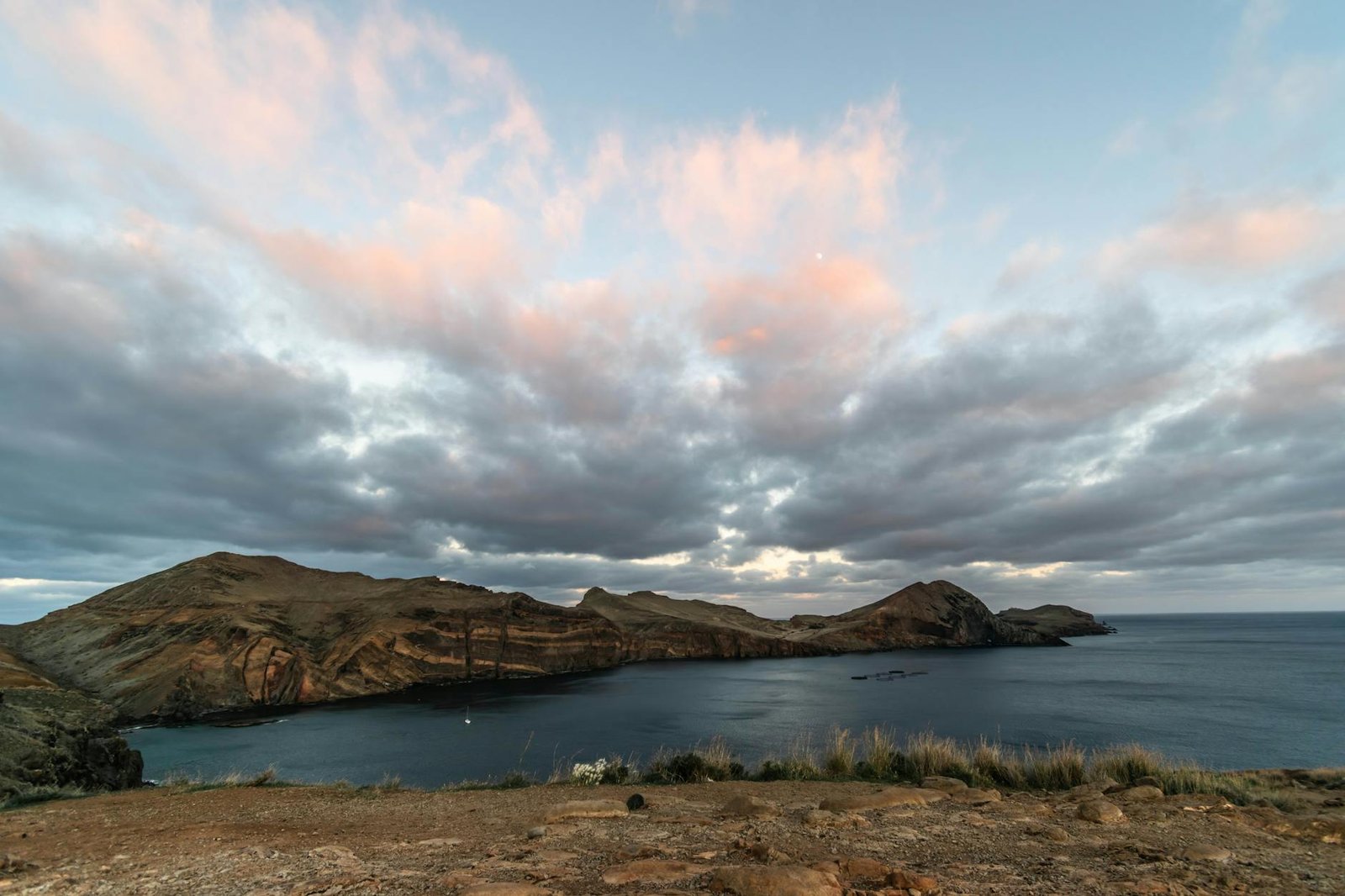
Santo Antão is the kind of place that makes you grip the ship’s railing and stare. Jagged volcanic peaks pierce low cloud, terraced valleys cascade to the water’s edge, and the whole island looks like it was sculpted by someone who didn’t believe in restraint. This is Cape Verde’s hiking crown jewel, and Porto Novo is your gateway in.
Arriving by Ship
Porto Novo is a working ferry and cargo port, and most cruise ships dock directly at the quay — no tender required. The town itself is small and functional, sitting right at the port entrance, so you’re on solid ground and exploring within minutes of disembarkation.
The real action on Santo Antão lies inland and on the northern coast, roughly 45 minutes to an hour away by road. The dramatic EN1 mountain road connecting Porto Novo to Ribeira Grande is one of the most scenic drives in the Atlantic — getting there is genuinely half the experience.
Things to Do

Santo Antão rewards the curious and the physically adventurous in equal measure. Whether you’re lacing up hiking boots or simply want to absorb some of Africa’s most dramatic scenery from a car window, this island delivers without compromise.
Nature & Hiking
- Trek Cova de Paúl Volcano Crater — descend into a lush caldera filled with sugar cane and banana plants; the circular trail takes around 3–4 hours and the views from the rim are extraordinary. 🎟 Book: Santo Antão: Trekking Cova de Paúl Volcano Crater – Ribeira de Paúl
- Hike Ponta do Sol to Fontainhas — one of the island’s signature cliff-path walks, passing the impossibly perched village of Fontainhas; guided full-day tours include lunch. 🎟 Book: Full-Day Hiking Experience Ponta do Sol – Fontainhas – Cruzinha with Lunch
- Drive the EN1 mountain road — the old road over the central massif offers hairpin bends and panoramic views that will have you stopping every 200 metres.
- Explore Ribeira Grande — the island’s main town is a colonial-era grid of pastel buildings, a lively central square, and the starting point for several valley hikes.
- Paul Valley walk — a gentle stroll through terraced farmland growing coffee, sugarcane, and tropical fruit; the valley floor is vivid green year-round and deeply photogenic.
Culture & Villages
- Visit the village of Fontainhas — clinging to a near-vertical cliff face above the Atlantic, this tiny settlement is one of the most dramatic inhabited spots in all of Cape Verde.
- Full-island car tour — if hiking isn’t your thing, a guided day trip by car covers the crater, Paul Valley, and coastal villages with context you simply won’t get alone. 🎟 Book: Santo Antão: Full-day Island Tour & Visit to Cova de Paúl Volcano Crater
- Check out Porto Novo market — a small but authentic produce market near the port where farmers sell local bananas, papayas, and grogue (sugarcane spirit) in the morning hours.
What to Eat
Food on Santo Antão is honest, filling, and rooted in Cape Verdean tradition — think slow-cooked stews, freshly caught fish, and local rum strong enough to make you reconsider the afternoon hike. Porto Novo has a handful of local restaurants near the port, but the best eating is often found further inland.
- Cachupa — the national dish of Cape Verde, a slow-cooked stew of corn, beans, and meat or fish; found in virtually every local restaurant, expect to pay 400–600 CVE (roughly USD 4–6).
- Grilled fresh tuna (atum grelhado) — locally caught and cooked simply over coals; ask for it at any seafront spot in Porto Novo or Ribeira Grande, around 600–800 CVE.
- Buzio (conch stew) — a hearty shellfish broth served with bread or rice; a speciality across the northern coast, priced around 500–700 CVE.
- Grogue — Santo Antão’s famous sugarcane spirit, often drunk neat or mixed into ponche (a sweet rum cocktail); pick up a bottle from local producers in the Paul Valley for 300–500 CVE.
- Pastel de milho — a fried cornmeal pastry, sometimes stuffed with fish or cheese, sold as street food near the port market for under 50 CVE each.
Shopping

Santo Antão isn’t a shopping destination in the conventional sense — and that’s entirely part of its charm. The island’s most worthwhile purchases are edible or drinkable: bottles of locally distilled grogue from Paul Valley producers make exceptional and genuinely unique souvenirs.
Avoid the generic African craft items that occasionally appear near ports — they’re rarely made on the island. Instead, look for hand-woven baskets, locally made ceramics, and small bags of Santo Antão’s prized arabica coffee, which is grown in the highlands and available in Ribeira Grande’s small shops for around 300–500 CVE per bag.
Practical Tips
- Currency is the Cape Verdean Escudo (CVE); euros are widely accepted but you’ll get better value paying in escudos.
- Tipping is appreciated but not mandatory — rounding up the bill or leaving 10% at restaurants is standard practice.
- Get ashore early — the inland valleys are best in morning light before clouds roll in over the peaks, typically after midday.
- Transport from Porto Novo to Ribeira Grande costs around 200 CVE by shared aluguer (minibus taxi) or book a private car through your ship or a local operator.
- You need at least 5–6 hours to do the island any justice; a full day is better if your itinerary allows.
- Wear layers — the coast is warm and dry, but the mountain interior can be cool and misty even in summer.
- Safety is generally good, but the mountain paths are serious terrain — wear proper footwear and don’t hike alone on unfamiliar trails.
Santo Antão is the rare port that genuinely changes how you see a destination — go inland, breathe the cloud-forest air, and you’ll be talking about it for years.
🎟️ Things to Book in Advance
These highly-rated experiences fill up fast — book before you arrive to avoid missing out.


This page contains affiliate links. If you book through them, we may earn a small commission at no extra cost to you.
📍 Getting to Santo Antao Island, Porto Novo, Cape Verde
Use the interactive map below to explore the port area and plan your route from the terminal.
Leave a Reply