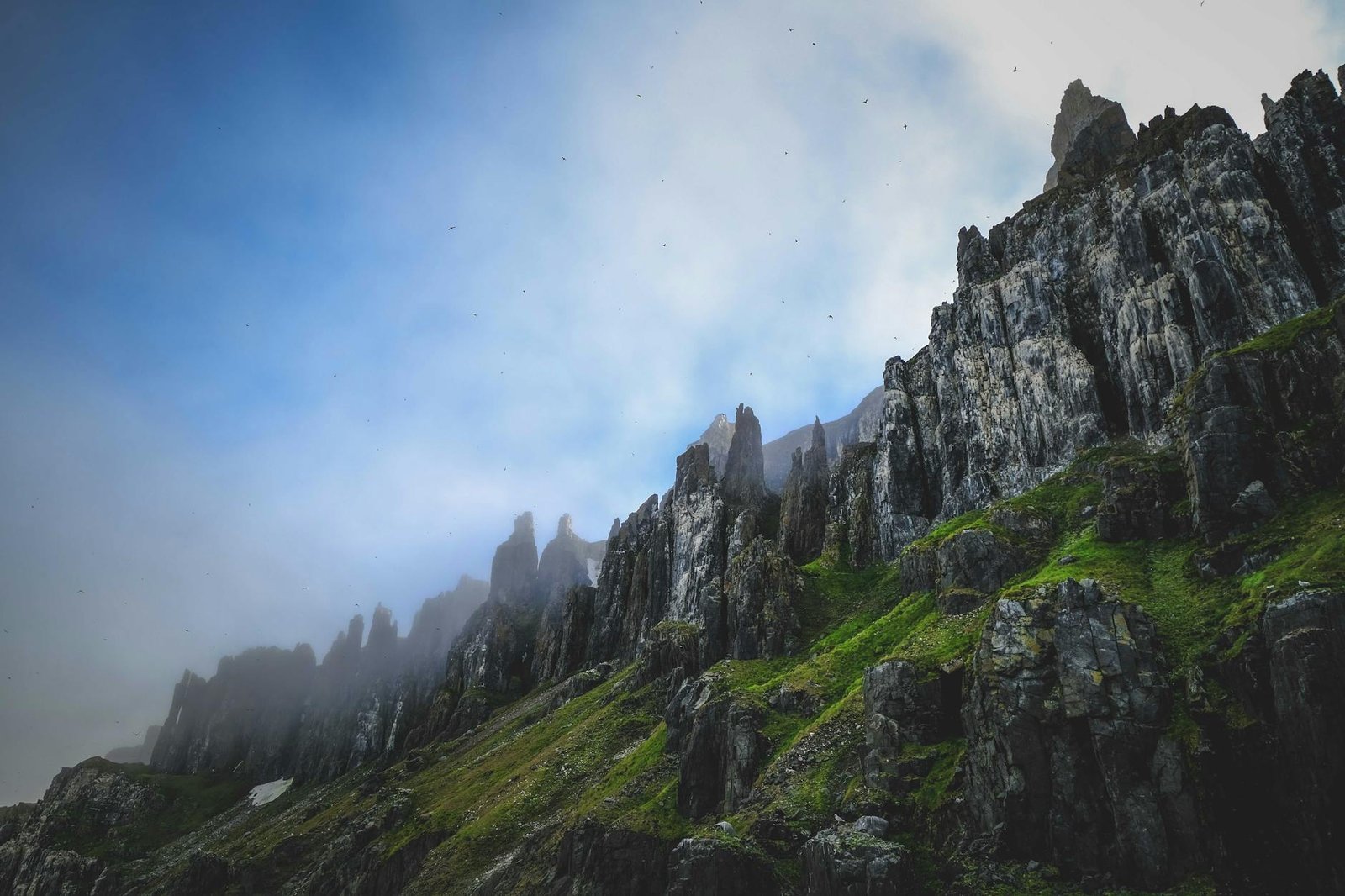
Forlandet Island is one of the most otherworldly places your ship will ever drop anchor — a pristine Arctic wilderness of glaciers, walrus colonies, and silence so complete it feels almost sacred. This long, narrow island off the west coast of Spitsbergen sits entirely within Forlandet National Park, making it one of the few cruise destinations where nature genuinely runs the show. Come prepared, come curious, and you’ll leave with memories that outlast any shore excursion you’ve ever taken.
Arriving by Ship
There is no dock, no pier, and no port infrastructure here — Forlandet Island is a true expedition-style landing. You’ll arrive by Zodiac inflatable tender, stepping directly onto wild Arctic shores at locations such as Poolepynten or Akallaneset, chosen by your ship’s expedition team based on weather, ice, and wildlife conditions.
Expect to get your boots wet during wet landings, and listen carefully to your expedition guides about landing protocols. The island is remote, communications are limited, and the schedule can change entirely if conditions shift — that unpredictability is part of what makes it extraordinary.
Things to Do

Forlandet is not a place for cafés and souvenir shops — it’s a place for jaw-dropping Arctic encounters, careful footsteps, and complete immersion in one of Europe’s last true wildernesses. Every activity here puts nature front and centre.
Wildlife
- Watch walruses hauled out at Poolepynten — this is one of Svalbard’s most reliable walrus sites, where hundreds of bulls gather on the gravel beach between June and August, close enough to photograph without a telephoto lens.
- Scan for polar bears along the shoreline — Forlandet’s coast is active polar bear territory; your guides will keep watch, but sightings are genuinely common.
- Look for Arctic foxes near nesting seabird colonies, particularly around the island’s northern tip where food is plentiful.
- Spot ringed and bearded seals resting on sea ice or bobbing in the water alongside your Zodiac during the approach to shore.
- Watch Little Auks and Glaucous Gulls nesting in rocky outcrops — the birdlife alone can fill an entire afternoon for wildlife enthusiasts.
Landscape and Exploration
- Walk the gravel spits and tundra ridges with your expedition team — guided hikes follow the terrain, and the views across Forlandsundet strait toward Spitsbergen’s mountains are extraordinary.
- Photograph Fondalsbreen and other glaciers visible from shore — the blue-white ice against dark mountains is unlike anything you’ll see anywhere else.
- Join a Zodiac cruise along the coastline if your ship offers one — seeing the cliffs and ice formations from the water gives a completely different perspective.
What to Eat
There are zero restaurants, cafés, or food vendors on Forlandet Island — everything you eat here comes from your ship. Your vessel is your base and your kitchen, so take advantage of whatever hot food and drinks are offered before and after landings.
- Hot soup on return to ship — most expedition vessels offer warming bowls of hearty soup dockside after a Zodiac landing; it’s free, included, and genuinely needed.
- Arctic char — a prized freshwater fish often served aboard Svalbard expedition vessels, delicate and lightly smoked, reflecting the region’s culinary identity.
- Reindeer stew — another common ship menu staple in Svalbard waters, rich and warming, typically served for dinner after an active shore day.
- Norwegian flatbread with cured meats — a simple, satisfying staple you’ll often find at onboard lunches; ask for it with brunost (brown cheese) for a proper Norwegian touch.
- Cloudberry jam — look for this on your ship’s breakfast table; the golden berry is an Arctic delicacy with a sharp, floral sweetness unlike anything in a supermarket.
Shopping

Forlandet Island has absolutely nothing to buy on shore — not a stall, not a shop, not a postcard stand. Any shopping connected to your Svalbard cruise happens in Longyearbyen, the main settlement roughly 80–100km away, either before or after your island landing.
In Longyearbyen, look for high-quality Norwegian wool goods, locally designed Svalbard-branded clothing, and hand-crafted items from the Svalbard Museum gift shop. Avoid cheap mass-produced polar bear souvenirs — opt instead for something made in Norway that genuinely reflects where you’ve been.
Practical Tips
- Wear waterproof rubber boots for wet landings — your ship will likely loan these, but confirm before departure.
- Layer aggressively — even in summer, Forlandet temperatures hover around 2–6°C with biting wind chill.
- Norwegian Krone (NOK) is the local currency, though it’s irrelevant on the island itself; card payments work in Longyearbyen.
- Follow your expedition guide’s instructions exactly — Forlandet is a national park with strict rules around disturbance of wildlife and vegetation.
- Go ashore as early as your ship allows — walrus and bear activity peaks in morning light, and calmer seas make for better Zodiac rides.
- Charge all your camera batteries the night before — cold air drains batteries fast, and there are no charging points ashore.
- You’ll need two to four hours ashore to do the landing justice; rushing it is the only way to ruin it.
Pack your sense of wonder alongside your thermals, because Forlandet Island will hand you scenes so raw and beautiful that you’ll spend years trying to describe them to people who simply won’t believe you.
Leave a Reply