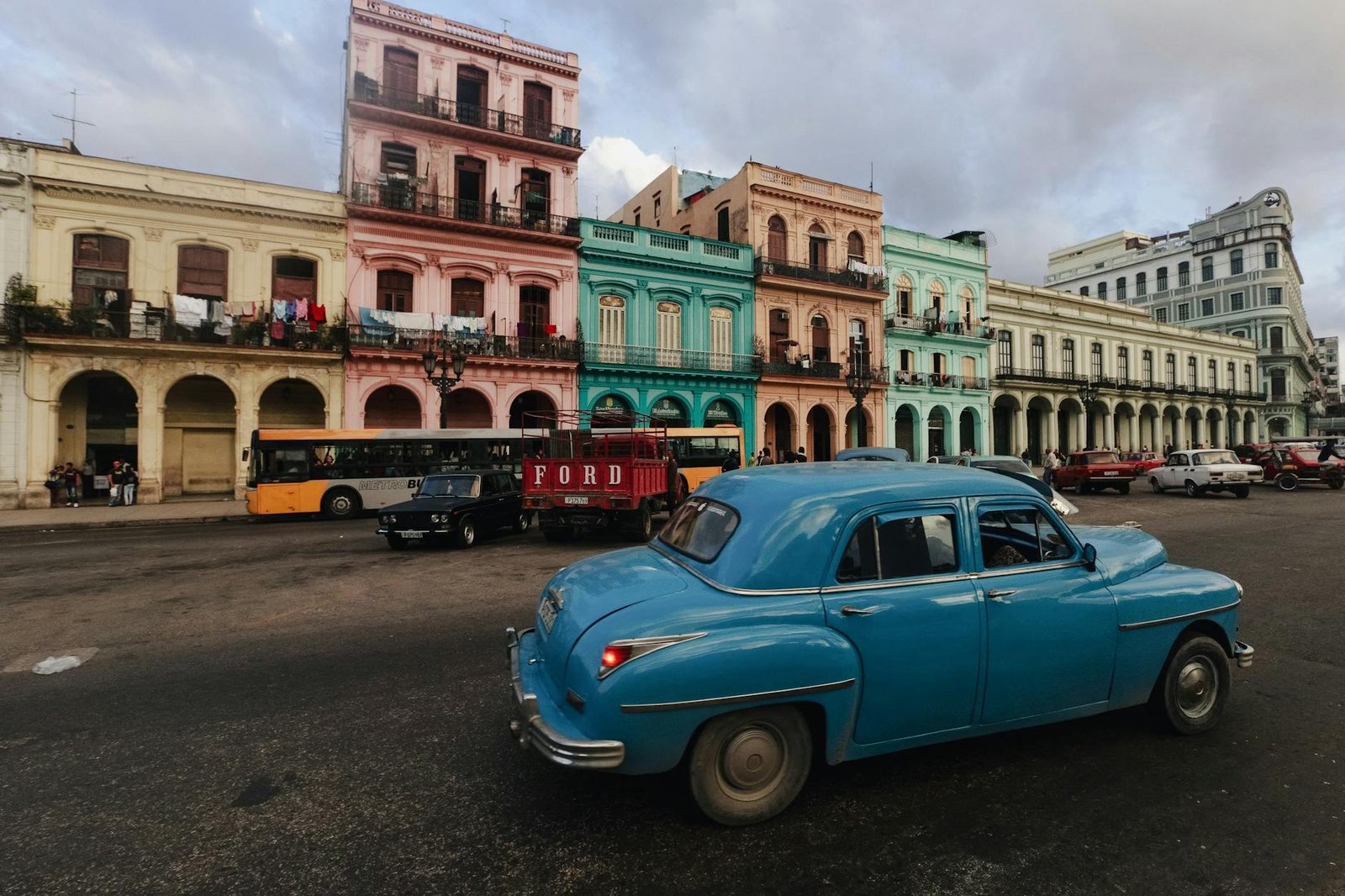
Havana is unlike any other port of call in the Caribbean — a city frozen in a particular kind of beautiful time, where 1950s Chevrolets rumble past crumbling colonial mansions and salsa spills out of open doorways at all hours. Arriving here by cruise ship is one of travel’s genuinely unforgettable experiences, and with a little preparation, even a single day ashore can feel extraordinarily rich. Here’s everything you need to navigate Havana like a seasoned traveller.
Arriving by Ship
Cruise ships dock at the Sierra Maestra Terminal, a handsome art deco building right in the heart of Old Havana (Habana Vieja). This is one of the great advantages of calling here — you step off the gangway and you’re essentially already in the historic centre, with the famous Malecón seafront promenade just minutes away.
Cuban immigration can be thorough, so expect to spend some time clearing formalities before you’re free to explore. US citizens travelling under specific authorised categories should double-check regulations before departure, as rules can shift. Once ashore, taxis are plentiful and affordable, and classic car drivers will enthusiastically offer you a tour almost immediately — which is actually a wonderful way to get oriented. The local currency situation is worth understanding in advance: carry euros, Canadian dollars, or British pounds to exchange, as US dollars attract an additional fee.
Things to Do

Old Havana is a UNESCO World Heritage Site and you could spend your entire day simply wandering its plazas without ever feeling bored. Plaza de la Catedral, Plaza Vieja, and Plaza de Armas form a golden triangle of colonial architecture, street performers, and outdoor cafés. Don’t miss the Museo de la Revolución, housed in the former Presidential Palace — even if politics aren’t your passion, the building itself is extraordinary.
For a different pace, hire one of those iconic vintage convertibles for a cruise along the Malecón to the neighbourhood of Vedado, passing the grand Hotel Nacional and the monument-lined streets that define mid-century Havana. The Fábrica de Arte Cubano, an arts complex inside a former cooking oil factory, is extraordinary if your ship stays late enough into the evening.
Cementerio de Cristóbal Colón is one of the finest 19th-century cemeteries in the Americas — vast, elaborate, and surprisingly moving. And for rum enthusiasts, the Museo del Ron offers tastings and a genuine insight into Cuba’s most famous export.
Local Food
Cuban food in Havana is far more interesting than its modest international reputation suggests. The city’s paladares — privately owned restaurants operating out of family homes — have transformed the dining scene over the past decade. Look for ropa vieja (slow-cooked shredded beef with tomatoes and peppers), congri (rice cooked with black beans), and tostones (twice-fried plantain) wherever you eat.
La Guarida, set inside a crumbling Havana mansion and made famous by the film Fresa y Chocolate, is worth booking in advance if your schedule allows. For something quicker, the street stalls around Plaza Vieja sell churros and fresh fruit juices at pocket-money prices. Cuban coffee — intensely strong and sweetened — is served in tiny cups everywhere and is absolutely essential.
Shopping

Havana’s shopping is genuinely unique precisely because it’s not dominated by international chains. The San José Artisan Market, housed in a long warehouse along the waterfront near the terminal, is the best single stop for handcrafted souvenirs: painted vintage car figurines, hand-rolled cigars, Che Guevara artwork, guayabera shirts, and hand-embroidered linens.
For cigars specifically, visit one of the official Casa del Habano stores rather than accepting street offers — quality and authenticity are guaranteed, and staff can advise you on export limits. Vinyl records featuring classic Cuban son and jazz make brilliant, lightweight gifts and are sold at several specialist shops around Old Havana. Rum is another obvious choice: Havana Club 7 Años is the benchmark, available at far better prices here than anywhere else.
Practical Tips
- Cash is essential. Card payments are rare outside large hotels. Withdraw local currency (CUP) at a CADECA exchange booth at the terminal before heading out.
- Stay hydrated. Havana’s heat and humidity can surprise visitors — carry water and wear light, breathable clothing.
- Wi-Fi is limited. Internet access requires purchasing an ETECSA card from a hotel or official provider. Don’t rely on staying connected.
- Photography etiquette matters. Always ask before photographing individuals, especially in residential areas.
- Watch your time. Ships typically depart strictly on schedule, and Havana’s streets are wonderfully easy to lose track of time in. Set a phone alarm for your all-aboard time.
- Classic car tours are negotiable. Agree on a price before you get in, and confirm whether the fare is per person or for the vehicle.
Havana rewards curiosity more than almost any other cruise destination. It’s a city that feels like it belongs to another era — not in a neglected way, but in a way that makes you slow down, look more carefully, and actually talk to the people around you. Give it your full attention for a day, and it’s likely to stay with you for years.
🎟️ Things to Book in Advance
These highly-rated experiences fill up fast — book before you arrive to avoid missing out.


This page contains affiliate links. If you book through them, we may earn a small commission at no extra cost to you.
Leave a Reply