Katha is one of Southeast Asia’s most quietly extraordinary cruise stops — a small Irrawaddy River town where Orwell wrote Burmese Days and colonial history still breathes through crumbling brick. Most visitors pass through without knowing what they’re standing on. This guide changes that.
Arriving by Ship
Katha sits on the eastern bank of the Irrawaddy in Sagaing Region, roughly 900km north of Yangon. River cruise vessels — typically small expedition-style ships from operators like Pandaw or Belmond Road to Mandalay — dock directly alongside the town’s simple jetty, putting you within easy walking distance of the centre.
There’s no grand port infrastructure here, which is precisely the point. You step off the gangway and immediately into local life — rickshaws, teashops, and the unhurried rhythm of a town that doesn’t perform for tourists.
Things to Do

Katha rewards slow, curious exploration. The colonial quarter alone could fill a morning, and the surrounding countryside adds genuine depth for travellers willing to venture a little further.
History & Literature
- Orwell’s bungalow — the white timber house where Eric Blair (George Orwell) lived as a colonial police officer in the late 1920s still stands; ask your guide to take you directly, as there’s no formal signage.
- The Club — the original colonial social club that inspired a key location in Burmese Days survives in faded splendour; step inside to see teak floors and atmosphere untouched by renovation.
- Katha Courthouse — another Orwell-era building still in use, its colonial façade peeling beautifully in the humidity.
- St. Michael’s Church — a quietly moving Anglican church built in 1894, with a handwritten register of colonial-era congregants that’s sobering to read.
Culture & Temples
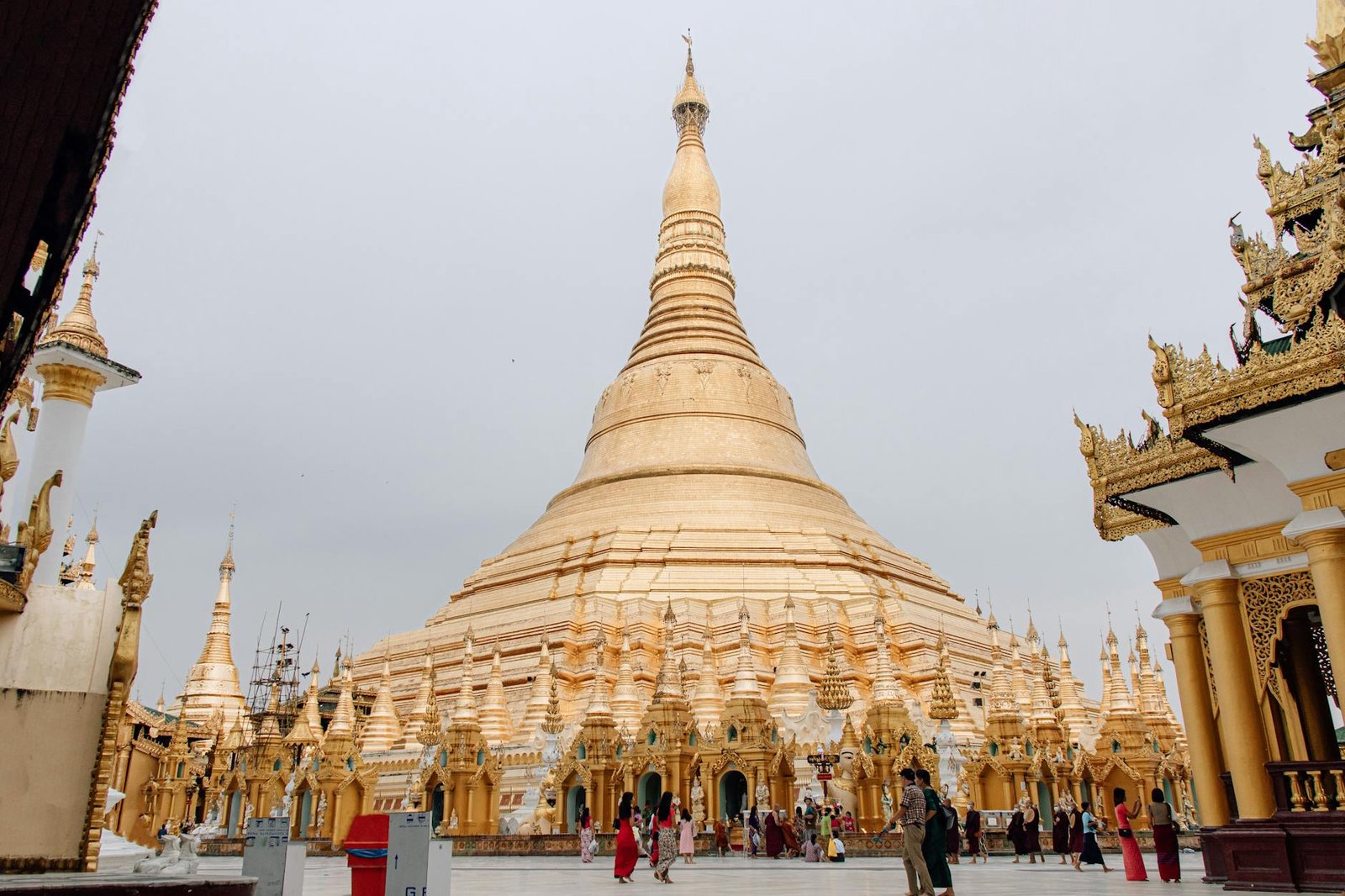
- Shwezigon Pagoda — Katha’s most important Buddhist site, glittering with gold leaf and draped in prayer flags; visit in the early morning when monks collect alms nearby.
- Local monastery schools — many cruise operators arrange informal visits where you can interact with young novice monks practising English.
- Riverside market — held each morning from roughly 6am, this is where locals buy produce, fish, and longyis; arrive early before cruise passengers thin it out.
Nature
- Irrawaddy dolphin spotting — the stretch of river around Katha is one of the last habitats for the critically endangered Irrawaddy dolphin; many cruise ships offer dawn skiff excursions.
- Bicycle rides into the countryside — hire a basic bike for around 2,000 kyat (approximately $1 USD) and pedal out through rice paddies and teak plantations within 20 minutes of town.
What to Eat
Katha’s food scene is simple, honest, and deeply local — there are no tourist restaurants, which is a very good thing. Stick to teashops and market stalls, and you’ll eat extraordinarily well for almost nothing.
- Mohinga — Myanmar’s beloved rice noodle soup with catfish broth, sold at morning market stalls for around 500–800 kyat; look for the vendor with the longest queue.
- Shan noodles — flat rice noodles with a peanut-tomato broth, lighter than mohinga and available at most teashops for under 1,500 kyat.
- Samosa thoke — a tangy salad made with broken samosas, chickpea powder, and tamarind; a street-food staple for roughly 500 kyat.
- Lahpet thoke (tea leaf salad) — fermented tea leaves tossed with fried garlic, peanuts, and sesame; find it at any local teashop for 1,000–1,500 kyat.
- Fresh sugarcane juice — pressed to order at market stalls for 300 kyat; genuinely refreshing in the heat.
- Chinese-Burmese teashop breakfast — sweet tea with buttered toast and a soft-boiled egg costs under 1,000 kyat and is the most satisfying meal you’ll have all day.
Shopping

Katha isn’t a shopping destination, and that’s refreshing. There are no souvenir stalls selling mass-produced lacquerware — what you’ll find instead are everyday local goods at the morning market: hand-woven longyis, thanaka wood (the yellow paste Burmese women apply to their skin), and dried river fish.
Pick up a small block of thanaka as a genuine, lightweight, and inexpensive keepsake — vendors at the market sell it for a few hundred kyat. Avoid purchasing antiques or religious artefacts, as export restrictions are serious and enforcement unpredictable.
Practical Tips
- Currency — carry Myanmar kyat in cash; US dollars are accepted by some vendors but at poor rates, and card payments are non-existent ashore.
- Tipping — not expected but appreciated; 1,000–2,000 kyat is generous for a local guide or trishaw driver.
- Transport ashore — bicycle hire and trishaw rides are your best options; agree a price before you set off.
- Dress code — cover shoulders and knees when visiting pagodas and monasteries; remove shoes before entering any religious site.
- Best time ashore — go early, ideally by 7am, to catch the market and morning alms rounds before heat sets in.
- Time needed — four to five hours covers the colonial highlights, market, and a pagoda visit comfortably.
- Photography — always ask permission before photographing people; a smile and a gesture go a long way.
Katha is the kind of place that sneaks up on you — you arrive expecting a brief port stop and leave carrying it with you for years.
📍 Getting to Katha, Myanmar
Use the interactive map below to explore the port area and plan your route from the terminal.
Leave a Reply