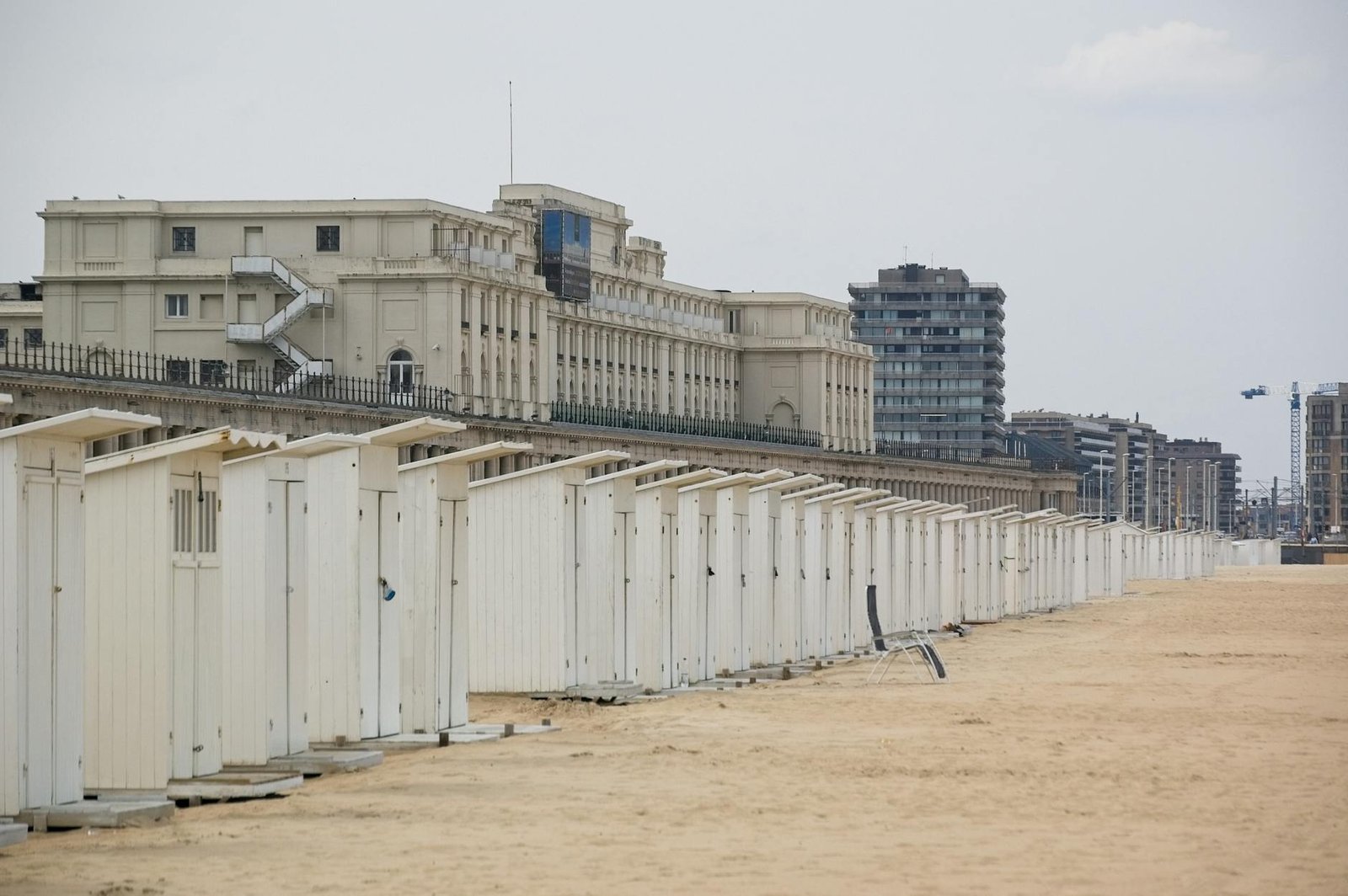
Belgium’s most beloved seaside city punches well above its weight for cruise visitors. Ostend delivers golden beaches, world-class museums, sensational seafood, and a stately promenade — all within easy walking distance of the pier.
Arriving by Ship
Ostend is a working port with dedicated cruise berths, so you’ll dock directly — no tender required. The city centre is essentially on your doorstep, with the promenade and beach just a five-minute walk from the terminal.
The port handles both passenger ferries and cruise ships, so expect some industrial activity nearby, but it clears quickly as you head toward the seafront. Signage is good, and a small welcome area with local information is usually available dockside.
Things to Do

Ostend rewards curious explorers — whether you want sand between your toes, Flemish masterpieces, or something more playful. A self-guided city game is a brilliant way to orientate yourself quickly 🎟 Book: Ostend Walking Tour: Self-Guided City Game, or try the Walter Case escape game if you want something more immersive and theatrical with your group 🎟 Book: Discover Ostend while playing! Escape game – The Walter case.
History & Culture
- MU.ZEE (Municipal Museum of Fine Arts) — Home to one of Belgium’s finest collections of modern art, including major works by James Ensor, a native Ostend son; entry around €10, open Tuesday–Sunday.
- Fort Napoleon — A remarkable star-shaped Napoleonic fortress from 1811 that now doubles as a cultural centre and event venue; guided tours available, entry around €8.
- Atlantikwall Open Air Museum — Explore preserved WWII German bunkers right on the coast; it’s free to walk the exterior and sobering to visit.
- James Ensor House — Step inside the eccentric home-studio of Belgium’s most celebrated painter, filled with his signature masks and curiosities; entry around €6.
Beaches & Outdoors
- Oostende Beach (Zeedijk) — The main strip stretches 12 kilometres, with clean sand backed by a grand promenade; it’s free, wide, and rarely overcrowded outside July and August.
- Thermae Palace Promenade — Stroll past this magnificent Art Deco hotel and soak up the architectural grandeur of the Belle Époque seafront; it costs nothing and photographs beautifully.
Families
- Seafront Ostend — A large aquarium and sea-life experience packed with North Sea species; family tickets around €22, great for kids under 12.
- Mercator Sailing Ship — A restored three-masted training vessel moored in the marina that you can board and explore; tickets around €5 per adult.
What to Eat
Ostend calls itself the “Queen of Belgian Seaside Resorts,” and the food scene lives up to the title — especially anything pulled from the North Sea. Budget around €15–25 for a generous main in a mid-range restaurant along the Visserskaai (Fisherman’s Wharf).
- Garnaalkroketten (shrimp croquettes) — Belgium’s most iconic starter, made with tiny grey North Sea shrimp; find them at almost any brasserie along Visserskaai for around €12–15.
- Paling in ‘t groen (eel in green herb sauce) — A Flemish classic that’s richer and more complex than it sounds; try it at Restaurant Lusitania, a local institution.
- Moules-frites — Massive pots of mussels with golden fries; look for the daily chalkboard specials on Visserskaai, typically €18–22.
- Ostend sole — Fresh local sole, pan-fried in butter, at its absolute finest here; expect €22–28 at a seafront fish restaurant.
- Belgian waffles — Pick up a fresh Liège waffle from a street stall for €3–4; avoid the pre-wrapped versions in tourist shops.
- Duvel or local Flemish ale — Any café along the promenade will serve a proper Belgian beer from around €3.50; it’s a cultural experience as much as a drink.
Shopping

The main shopping drag runs along Kapellestraat and the streets feeding into it — think independent boutiques, chocolate shops, and the odd designer label. For something more local, the Visserskaai fish market is the real highlight, where you can buy fresh catch, smoked fish, and shrimp to take home.
Buy Belgian praline chocolates, handmade lace (though this is more of a Bruges speciality), and locally branded biscuits. Skip mass-produced souvenir tat near the pier — walk two streets inland and quality improves immediately.
Practical Tips
- Currency — Belgium uses the Euro (€); most places accept cards, but carry a little cash for market stalls and street food.
- Tipping — Not obligatory, but rounding up the bill or leaving 10% in a restaurant is appreciated.
- Getting around — The city centre is very walkable; free or cheap trams run along the coast if you want to explore further east.
- Time ashore — Four to five hours is enough to see the highlights; six hours lets you eat properly and visit two or three sites.
- Safety — Ostend is safe and tourist-friendly; standard city awareness applies near the station area in the evening.
- Best time to go ashore — Head out early to beat coach tours at Fort Napoleon and Ensor’s house; mornings are quieter.
- Day trips — Bruges is just 15 minutes away by train if Ostend doesn’t fill your full day 🎟 Book: Ostend Bruges Airport (OST) to Bruges – Arrival Private Transfer.
Ostend is a genuinely rewarding port of call — the kind of place that surprises you with its depth, feeds you magnificently, and sends you back to the ship already planning a longer stay.
🎟️ Things to Book in Advance
These highly-rated experiences fill up fast — book before you arrive to avoid missing out.


This page contains affiliate links. If you book through them, we may earn a small commission at no extra cost to you.
📍 Getting to Ostend, Belgium
Use the interactive map below to explore the port area and plan your route from the terminal.
Leave a Reply