Ruhen-Gifhorn sits in the heart of Lower Saxony, a quietly rewarding stop on Germany’s inland waterway network that most travellers overlook entirely. That’s precisely why it’s worth your attention — fewer crowds, genuine local life, and a region packed with surprising cultural depth. Come prepared and you’ll leave wondering why nobody told you about this place sooner.
Arriving by Ship
River cruise vessels dock directly at Ruhen, a small village on the Mittellandkanal, with the town of Gifhorn roughly 10 kilometres to the south. The dock is simple and functional — no tender required, and stepping ashore takes seconds. Shuttle transfers or taxis are your best bet for reaching Gifhorn’s town centre, and many cruise lines arrange organised excursions to cover the distance.
The surrounding landscape is flat, green, and genuinely peaceful, with the canal cutting through birch forest and farmland. Don’t rush the short journey into Gifhorn — the drive itself gives you a feel for rural Lower Saxony that you won’t find in a postcard.
Things to Do

Gifhorn punches well above its weight for a town of its size, offering everything from world-class quirky museums to medieval architecture and lakeside parks. Give yourself at least four to five hours ashore to do it justice.
Culture & Quirks
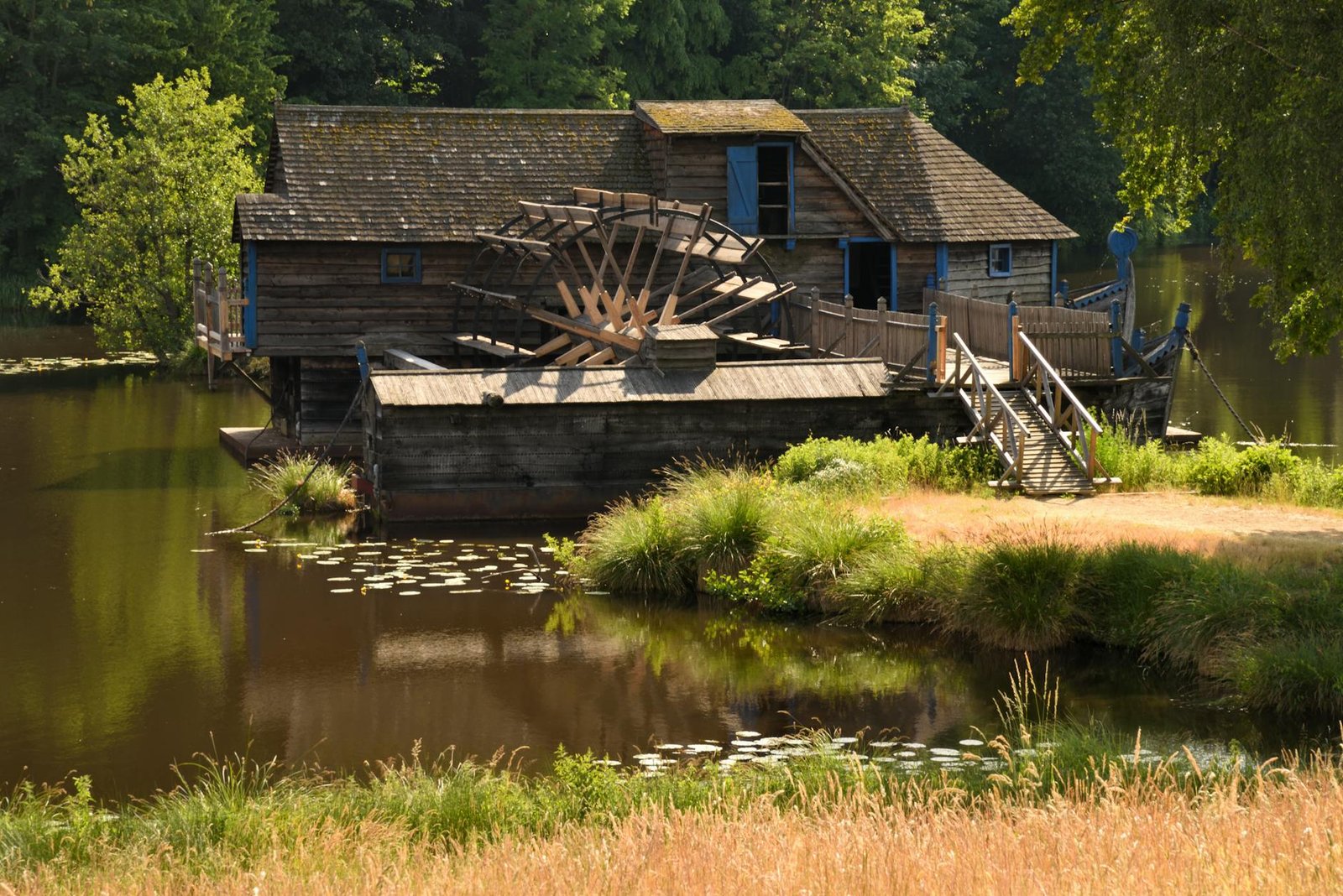
- International Windmill Museum (Internationales Windmühlenmuseum) — one of Germany’s most unusual attractions, this open-air site houses over 30 functioning windmills from around the world; entry costs around €6 for adults and it’s open daily from 10am.
- Gifhorn Palace (Schloss Gifhorn) — a beautifully preserved Renaissance palace dating from the 16th century, surrounded by a moat and free to explore from the outside; interior tours are available seasonally for around €5.
- Palace Lake (Schlossteich) — the tranquil lake beside the palace is perfect for a short stroll, and paddleboat hire runs from around €8 per half hour in summer.
History
- St. Nicolai Church (Stadtkirche St. Nikolai) — a striking Gothic church in the town centre that dates back to the 15th century; entry is free and the interior stonework is genuinely impressive.
- Gifhorn District Museum (Kreismuseum Gifhorn) — a compact regional history museum covering local life from medieval times to the 20th century; tickets cost around €3 and it’s closed on Mondays.
Families & Outdoors
- Heather Region Cycling Trails — Gifhorn sits on the edge of the Lüneburg Heath, and flat, well-signposted bike trails fan out in every direction; bike hire is available near the town centre from around €12 per day.
- Zoo Gifhorn — a friendly local zoo with native European species including wolves, lynx, and wild boar; entry is around €9 for adults and €6 for children.
- Gifhorn Market Square (Marktplatz) — worth ten minutes simply to absorb the half-timbered townhouses and 16th-century architecture that frame the square.
What to Eat
Lower Saxony cooking is hearty, honest, and deeply satisfying — think slow-cooked meats, root vegetables, and bread that actually tastes of something. Gifhorn’s restaurants and bakeries lean into regional tradition without pretension.
- Grünkohl mit Pinkel — braised kale served with a smoky sausage called Pinkel; a true Lower Saxon winter staple found in most traditional restaurants for around €12–15.
- Heidschnucke lamb — roasted heath lamb, a local breed prized for its flavour; look for it on menus at Restaurant Schlossgaststätte near the palace, mains from €16.
- Kartoffelsuppe — thick potato soup with smoked bacon, a cheap and warming lunch option available in almost every café for €6–8.
- Local rye bread (Roggenbrot) — pick up a loaf from any town bakery; Bäckerei Lüdke on the main street is consistently recommended by locals, and a loaf costs around €3.
- Lüneburg Heath honey — used in regional cakes and pastries; try a slice of Heidehonigkuchen (heath honey cake) at a café for around €3–4.
Shopping

Gifhorn’s compact town centre offers independent shops rather than chains, making it a decent place to pick up something genuinely local. The weekly market on Wednesdays and Saturdays on the Marktplatz sells regional produce, handmade goods, and seasonal specialities — arrive before noon for the best selection.
Look out for locally produced heather honey, handmade ceramics, and wooden crafts influenced by the windmill museum’s international artisan community. Avoid buying generic German souvenirs here — save that for bigger cities and spend your euros on things that actually come from this corner of Lower Saxony.
Practical Tips
- Currency — Germany uses the euro; card payment is widely accepted but carry some cash for market stalls and smaller cafés.
- Tipping — round up the bill or add 10% in restaurants; it’s appreciated but never obligatory.
- Transport — confirm with your cruise line whether a shuttle runs to Gifhorn; taxis from Ruhen cost approximately €15–20 each way.
- Language — English is spoken in most tourist-facing businesses, but a few German phrases go a long way in smaller shops.
- Best time ashore — head out by 9am to beat any organised tour groups and catch the Wednesday or Saturday market at its busiest.
- Safety — Gifhorn is extremely safe; standard travel awareness is more than sufficient.
- Time needed — four hours minimum to see the windmill museum and palace comfortably; six hours if you’re cycling or visiting the zoo.
Pack your curiosity, comfortable walking shoes, and a healthy appetite — Gifhorn will reward every bit of effort you put in.
📍 Getting to Ruhen-Gifhorn, Germany Lower Saxony
Use the interactive map below to explore the port area and plan your route from the terminal.
Leave a Reply