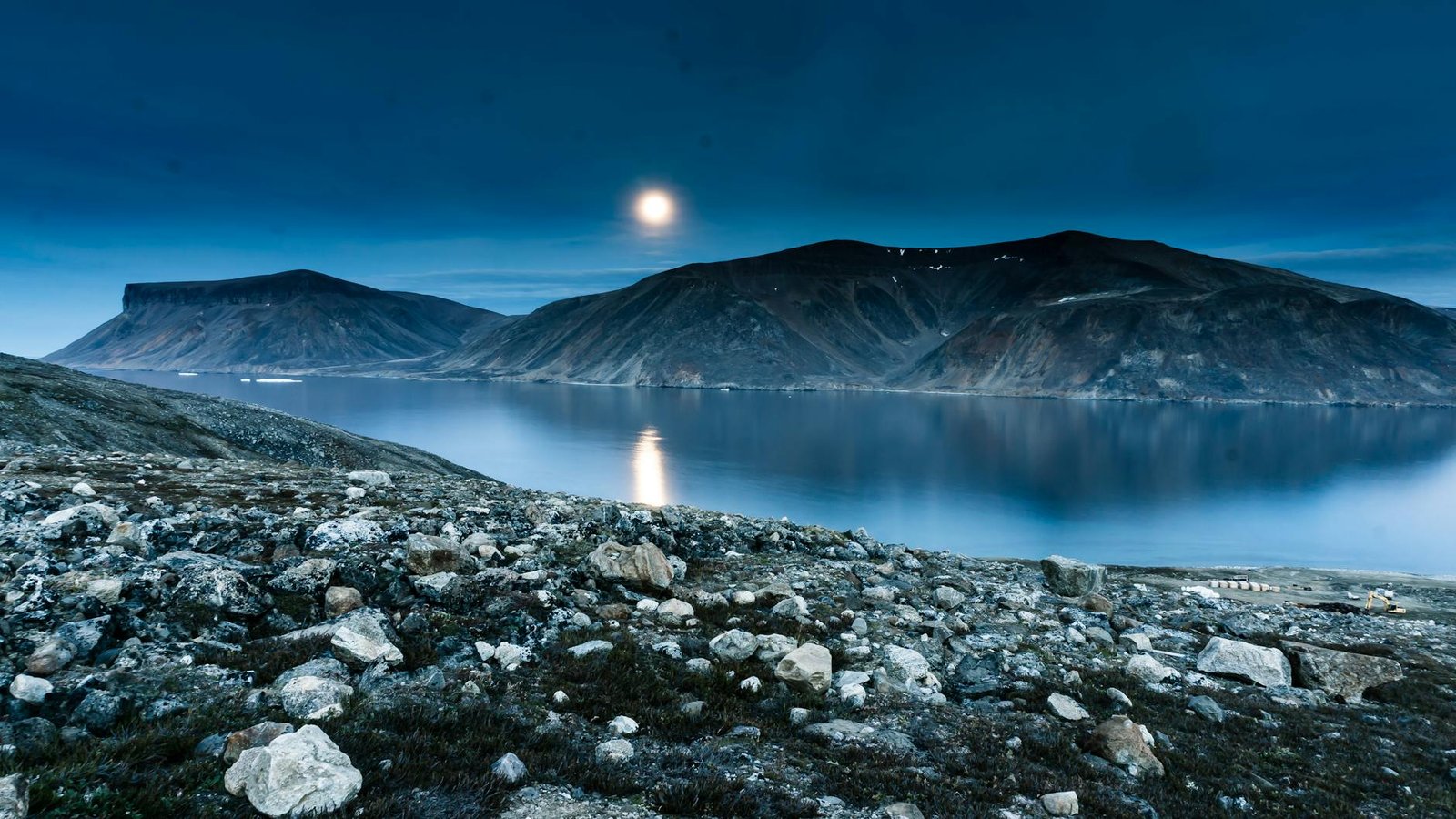
Fort Ross sits at the southern tip of Somerset Island, one of the most remote and hauntingly beautiful places a cruise ship will ever take you. This is raw Arctic wilderness — no crowds, no tourist traps, just polar history, wildlife, and silence so complete it hums. Come prepared, and this could be the most unforgettable port call of your life.
Arriving by Ship
There is no dock at Fort Ross, so expect to arrive by tender from your expedition ship into the sheltered waters of Bellot Strait. The strait itself is legendary among Arctic sailors — a narrow, fast-flowing passage separating Somerset Island from the Boothia Peninsula that eluded explorers for generations.
Once ashore, you step directly into open tundra. There is no town, no terminal building, and no shuttle bus — just the land, and whatever guides your expedition team has arranged for you.
Things to Do

Fort Ross rewards curious, active travellers who love history and the natural world in equal measure. Everything here feels earned, and that is precisely the point.
History
- Explore the HBC post ruins — the Hudson’s Bay Company established Fort Ross in 1937 as its most northerly trading post, and the preserved structures (including the recognisable red buildings) offer a vivid window into that era of Arctic commerce.
- Visit the historic cairns and plaques left by Royal Navy expeditions searching for the Northwest Passage; several are within easy walking distance of the landing site.
- Stand at Bellot Strait — named after French naval officer Joseph-René Bellot who explored here in 1851-52, and look across one of the most strategically significant waterways in Arctic exploration history.
Wildlife
- Watch for polar bears along the shoreline and tundra ridge lines; your expedition guides will carry safety equipment, but staying alert is half the thrill.
- Scan the strait for bowhead and beluga whales — Bellot Strait is a known feeding corridor during late summer, and sightings from shore are surprisingly common.
- Look up for thick-billed murres, black-legged kittiwakes, and glaucous gulls nesting on the rocky outcrops nearby; bring binoculars for close views without disturbing them.
- Search the tundra for Arctic fox tracks and lemming burrows — the ecosystem here is delicate but surprisingly active during the brief summer season.
Photography & Landscape
- Hike the ridge above the post for panoramic views across Bellot Strait toward the Boothia Peninsula; on a clear day the visibility stretches for miles in every direction.
- Photograph the red HBC buildings against the grey-blue Arctic sky — the contrast is extraordinary and among the most iconic images in Canadian Arctic cruising.
- Time your walk for early morning light when low-angled sun turns the tundra amber and the strait shimmers; expedition staff can advise on the best landing windows.
What to Eat
Fort Ross has no restaurants, cafés, or food vendors of any kind — this is true wilderness, and all meals happen aboard your ship. That said, expedition cruise lines operating in Nunavut typically lean into the regional food story beautifully.
- Arctic char — your ship’s kitchen will likely serve this delicate, pink-fleshed fish native to Nunavut’s cold waters; look for it at dinner, often pan-seared or cured.
- Bannock — a simple Indigenous flatbread sometimes prepared during onboard cultural demonstrations; warm, dense, and deeply comforting after a cold shore excursion.
- Muskox stew — occasionally featured on expedition ship menus sourced through northern suppliers; rich, lean, and unlike anything you’ve tasted before.
- Cloudberry jam — a golden Arctic berry, sometimes served at breakfast on Nunavut-focused voyages; intensely floral and tart.
- Hot soup on deck after landing — not a dish, but an experience; many expedition ships greet returning tender passengers with steaming bowls of chowder, and it feels like the best meal of the trip.
Shopping

There is nothing to buy at Fort Ross itself — no gift stalls, no market, no opportunity for commercial transactions of any kind. Plan all your Nunavut souvenir shopping before or after this stop, ideally in Resolute Bay or Cambridge Bay if your itinerary includes either.
If you want authentic Inuit art — soapstone carvings, prints, or handmade clothing — buy only from reputable co-operatives with clear provenance. Avoid anything mass-produced claiming to be “Inuit-made” without certification.
Practical Tips
- Dress in thermal layers even in July and August; temperatures at Bellot Strait can drop to near-freezing with wind chill factored in.
- Wear waterproof rubber boots — most expedition ships loan these for tender landings onto rocky, wet shorelines.
- Carry no food ashore — this is strict bear safety protocol, and your guides will enforce it.
- Currency is irrelevant here — there is nothing to pay for ashore, so leave your wallet on the ship.
- Tipping is handled onboard — expedition guides are tipped collectively at the voyage end, typically CAD $15–25 per guest per day.
- Stay with your guide group at all times — polar bear presence is real, and solo wandering is not permitted.
- Allow 3–4 hours ashore if conditions permit; the strait currents can change quickly and your ship may recall tenders early.
Somerset Island is not a port you visit — it is a place that visits you long after the ship has sailed south.
🎟️ Things to Book in Advance
These highly-rated experiences fill up fast — book before you arrive to avoid missing out.

This page contains affiliate links. If you book through them, we may earn a small commission at no extra cost to you.
📍 Getting to Somerset Island, Fort Ross, Nunavut Canada
Use the interactive map below to explore the port area and plan your route from the terminal.
Leave a Reply