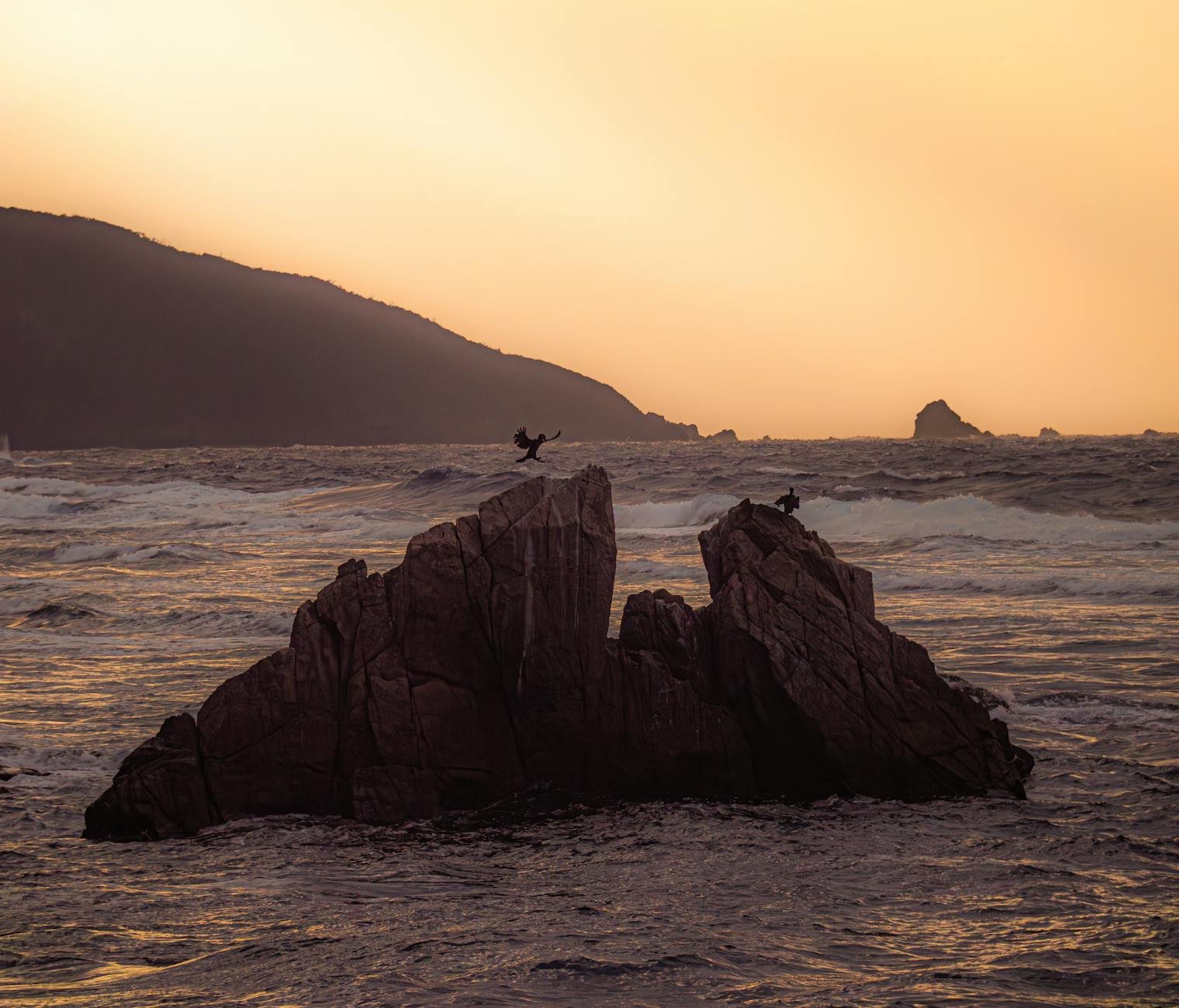
Tucked between mainland Japan and Okinawa, Amami Oshima is the kind of place that makes seasoned travellers stop mid-sentence and reach for their camera. This subtropical island belongs to Kagoshima Prefecture yet feels like an entirely different world — a UNESCO-designated natural treasure where ancient forests meet coral reefs and a deeply rooted local culture thrives far from the tourist crowds.
Arriving by Ship
Cruise ships dock at Naze Port, the island’s main harbour and a gateway into Amami City. The port area is compact and well-organised, and you’ll find taxis and local buses waiting just outside the terminal gates. The city centre is walkable from the dock, though you’ll want wheels — or a tour — if you’re planning to explore the island’s more dramatic interior landscapes or remote beaches. Taxis and rental cars are readily available near the port, and a handful of English-language tour operators cater specifically to cruise passengers with limited time ashore. Given that Amami is a relatively small port of call and turnaround times can be tight, booking activities in advance is genuinely worth the effort.
Things to Do

Amami Oshima rewards the curious. Its crown jewel is the Amami Gunto National Park, which encompasses some of the most pristine subtropical forest in Japan — home to the endangered Amami rabbit and the Lidth’s jay, found nowhere else on earth. Hiking the trails around Kinsakubaru Forest offers a rare encounter with old-growth subtropical jungle that feels prehistoric in the best possible way.
But the underwater world here is just as spectacular. The surrounding seas are rich with coral, sea turtles, and a staggering variety of tropical fish. If you have even a passing interest in snorkelling, this is one stop where you absolutely should get into the water. A half-day boat snorkelling adventure takes you to some of the reef’s most vibrant sections with experienced local guides. 🎟 Book: Half Day Amami Japan Boat Snorkeling Adventure For those who prefer to stay dry, kayaking through the mangrove forests near Yakugachi is a serene and memorable alternative.
Music lovers will find something genuinely special here, too. Amami is famous throughout Japan for shima uta — island folk song — a haunting, soulful tradition with roots stretching back centuries. If you have more time to spare, a private multi-day immersion in this local musical heritage is an extraordinary way to understand the island’s soul. 🎟 Book: 3-Day and 2-Night Amami Folksong Private Tour in Japan
Local Food
Eating in Amami is one of the island’s quiet highlights. The cuisine here draws on both Japanese and Ryukyuan (Okinawan) influences, producing something distinct and delicious. Keihan is the dish you must seek out — a deceptively simple bowl of rice drenched in a rich chicken broth and layered with toppings like shredded chicken, pickled papaya, egg, and shiitake mushrooms. It’s comfort food with elegance, and nearly every local restaurant serves it with pride.
Seafood is, unsurprisingly, exceptional. Fresh sashimi platters featuring local catches like habu grouper and tokushima tuna are served in small izakayas around the city centre. Look out too for sasage bean dishes and the island’s own brown sugar (kokuto), produced here for centuries and incorporated into everything from sweets to shochu spirits. Amami black sugar shochu is worth sipping slowly — it’s smoother and more complex than mainland varieties.
Shopping

The island’s most iconic craft is Oshima tsumugi — a hand-woven silk textile dyed using a labour-intensive mud-dyeing process that results in a distinctive lustrous dark fabric. It’s one of Japan’s most celebrated traditional textiles and has been crafted on Amami for over 1,300 years. Workshops near the city centre allow visitors to observe the process, and fabric samples make exceptional, genuinely meaningful souvenirs. Expect prices to reflect the extraordinary skill involved.
For edible souvenirs, kokuto black sugar products are everywhere and beautifully packaged — they travel well and make impressive gifts back home. Local shochu, bottled with artisan labels, is another popular carry-on choice. The covered shopping arcade in central Amami City, known as Meirin Street, offers a relaxed browse through local goods, small boutiques, and snack vendors.
Practical Tips
Amami Oshima operates on Japan Standard Time (UTC+9), and the local currency is the Japanese yen — carry some cash, as smaller shops and restaurants may not accept cards. The island’s pace is unhurried and locals are welcoming, though English is not widely spoken outside tourist-facing businesses, so a translation app will serve you well.
The climate is subtropical, meaning warm and humid for much of the year with a rainy season from May through June. Sun protection is essential regardless of season — UV levels run high here. If you’re planning to hike or snorkel, bring quick-dry clothing and water shoes. Most importantly, respect the natural environment: Amami’s ecosystems are fragile and actively protected, and staying on marked trails is both a courtesy and a responsibility.
Amami Oshima is the kind of port that passengers often describe as an unexpected highlight of an entire voyage. It lacks the polish of better-known Japanese destinations, and that’s precisely the point — what you find here is something rarer and more rewarding: an island that still belongs to itself.
🎟️ Things to Book in Advance
These highly-rated experiences fill up fast — book before you arrive to avoid missing out.


This page contains affiliate links. If you book through them, we may earn a small commission at no extra cost to you.
📍 Getting to Amami Japan
Use the interactive map below to explore the port area and plan your route from the terminal.
Leave a Reply