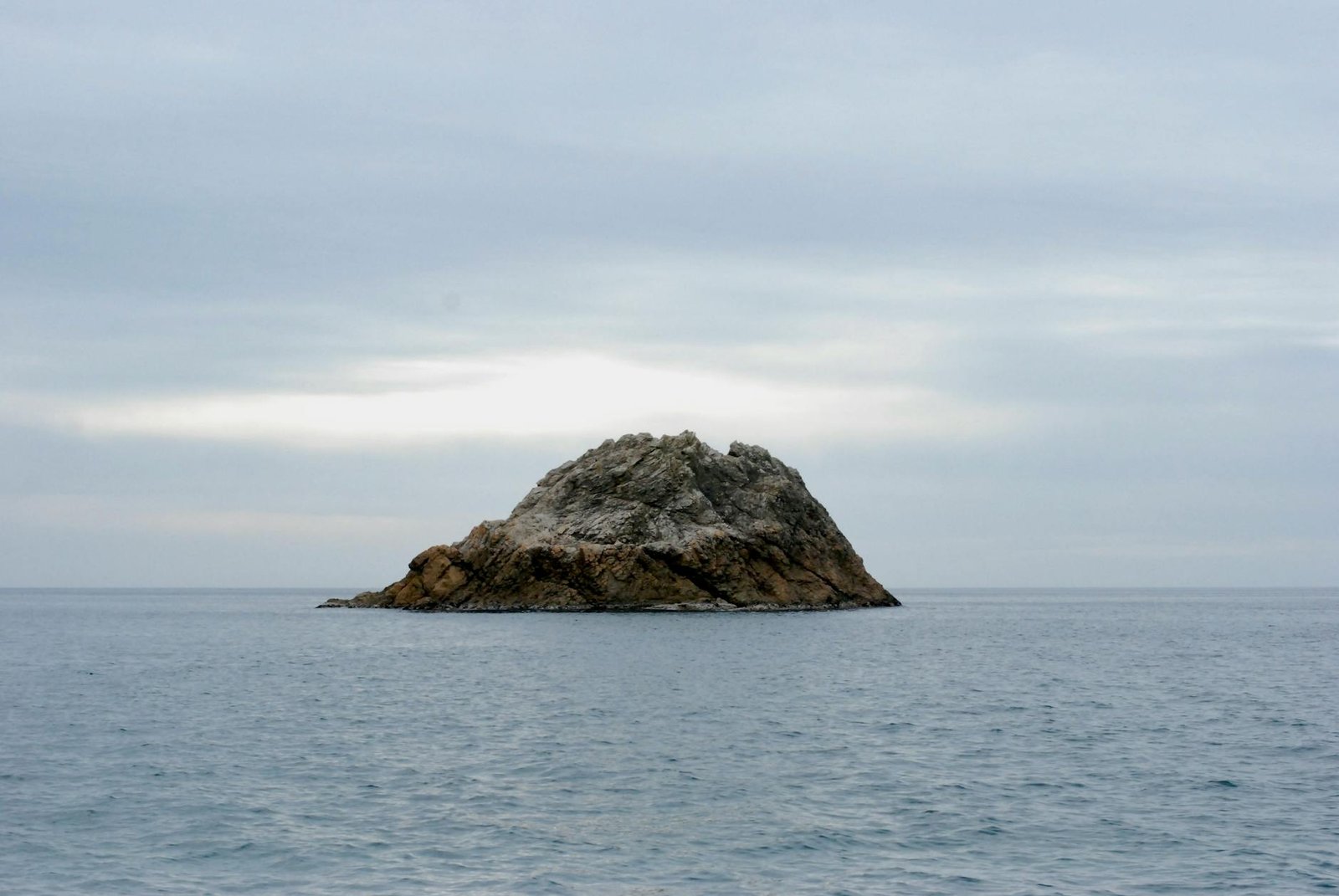
Sado Island keeps a secret that most tourists never find: one of Japan’s most dramatic, culturally rich destinations sits just two hours from the mainland, yet rarely appears on anyone’s itinerary. This remote island off Niigata Prefecture was once a place of exile for emperors and gold-hungry shoguns — and that layered, melancholy history gives it an edge unlike anywhere else in Japan. Come prepared to be genuinely surprised.
Arriving by Ship
Cruise ships dock at Ryotsu Port, Sado’s main gateway, which handles vessels directly at the pier — no tendering required for most calls. The port sits right at the edge of Ryotsu town, so you’re immediately within walking distance of restaurants, rental shops, and bus connections.
Larger vessels occasionally anchor offshore and use tenders, so check your ship’s daily programme the night before. Either way, you’ll clear the port quickly and have easy access to the island’s main bus routes and bicycle hire within minutes of stepping ashore.
Things to Do

Sado packs centuries of culture, wild coastline, and living tradition into a single island that most cruise passengers have entirely to themselves. Plan your time carefully — the island is larger than it looks on the map.
History & Culture
- Sado Kinzan Gold Mine — Tour the haunting former gold mine at Aikawa, complete with animatronic miners recreating Edo-period conditions; entry costs around ¥900 and the underground tunnels stay cool even in summer.
- Kodo Taiko Drumming Village — Visit the world-famous Kodo percussion group’s home base near Ogi; you may catch rehearsals or workshops depending on the season.
- Mano Imperial Tomb — Pay respects at the grave of Emperor Juntoku, exiled here in 1221; admission is free and the forested surroundings feel genuinely ancient.
- Myosenji Temple — Explore the historic temple complex linked to Buddhist philosopher Nichiren, who was also exiled on Sado; the grounds include a small museum with documents from his time here.
Nature & Coastline
- Senkakuwan Bay Cruise — Board a glass-bottomed boat to explore the jagged coastal cliffs of Senkaku Bay; tours run from around ¥1,500 and last approximately 30 minutes.
- Osado Skyline Drive — If you hire a taxi or car, the mountain ridge road offers panoramic views across both the Sea of Japan and the island’s interior lagoon simultaneously.
- Toki no Mori Park — Meet the ibis, Japan’s beloved crested bird, at this conservation sanctuary; the Toki (Japanese crested ibis) was once extinct in the wild, and Sado is where it was brought back.
Families
- Taraibune Tub Boat Ride — Paddle the iconic round wooden tub boats originally used by female abalone divers near Ogi Harbour; short rides cost around ¥500–¥700 and children love them.
What to Eat
Sado’s food scene is built on exceptional seafood and premium rice — the cold, mineral-rich waters and fertile paddy fields produce ingredients that chefs on the mainland pay serious money to import. Eat as close to the source as possible.
- Sado Beef (Sado-gyu) — Rare, marbled local cattle raised on island grass; look for it at restaurants in Ryotsu town, expect to pay ¥2,000–¥4,000 for a set lunch.
- Kanburi (Yellowtail Tuna) — Winter-caught yellowtail from Sado’s waters is considered among Japan’s finest; sashimi sets in local izakayas run ¥1,500–¥2,500.
- Sazae (Turban Shell) — Grilled whole at the harbour-side stalls near Ogi, these spiral shellfish are a local staple at around ¥300–¥500 each.
- Sado Koshihikari Rice — The island’s premium short-grain rice appears in virtually every meal; buy a small bag to take home from any grocery or souvenir shop.
- Nori Tsukudani — Slow-simmered seaweed paste with soy and sake, sold in jars at local shops for around ¥500; it makes an outstanding rice condiment.
- Niigata Sake — The region produces some of Japan’s most respected dry sake; sample local labels at izakayas in Ryotsu for ¥500–¥800 per glass.
Shopping

Ryotsu’s main shopping street is low-key and refreshingly unhurried — this is not a souvenir-factory town. Look for Mumyoi-yaki pottery, a distinctive reddish-brown stoneware unique to Sado, made from clay sourced from the old gold mine; small pieces start around ¥1,500 and make genuinely meaningful souvenirs.
Avoid generic tourist trinkets near the port entrance and instead head one block back, where family-run shops sell local lacquerware, handmade textiles, and packaged Sado rice. A bag of authentic Koshihikari or a bottle of local sake is worth more than any keychain.
Practical Tips
- Cash is king — Many small shops and stalls in Ryotsu don’t accept cards; withdraw yen at the convenience store ATM near the port before heading inland.
- No tipping — Tipping is not practised in Japan and may cause awkwardness; simply express thanks.
- Get ashore early — The first buses to the gold mine and Senkaku Bay leave around 8:30 AM; late arrivals lose significant time.
- Rent a bicycle — E-bikes are available near Ryotsu Port for around ¥1,500–¥2,500/day and are ideal for the flat terrain around the lagoon.
- You need at least 5–6 hours — Sado rewards time; a half-day barely scratches the surface, so prioritise ruthlessly if your port call is short.
- Dress modestly at temples — Shoulders and knees covered are appreciated at Myosenji and Mano’s religious sites.
- English signage is limited — Download an offline Japanese translation app before you disembark.
Sado Island doesn’t perform for tourists — it simply exists, extraordinary and unfiltered, waiting for the traveller sharp enough to show up.
🎟️ Things to Book in Advance
These highly-rated experiences fill up fast — book before you arrive to avoid missing out.


This page contains affiliate links. If you book through them, we may earn a small commission at no extra cost to you.
Leave a Reply