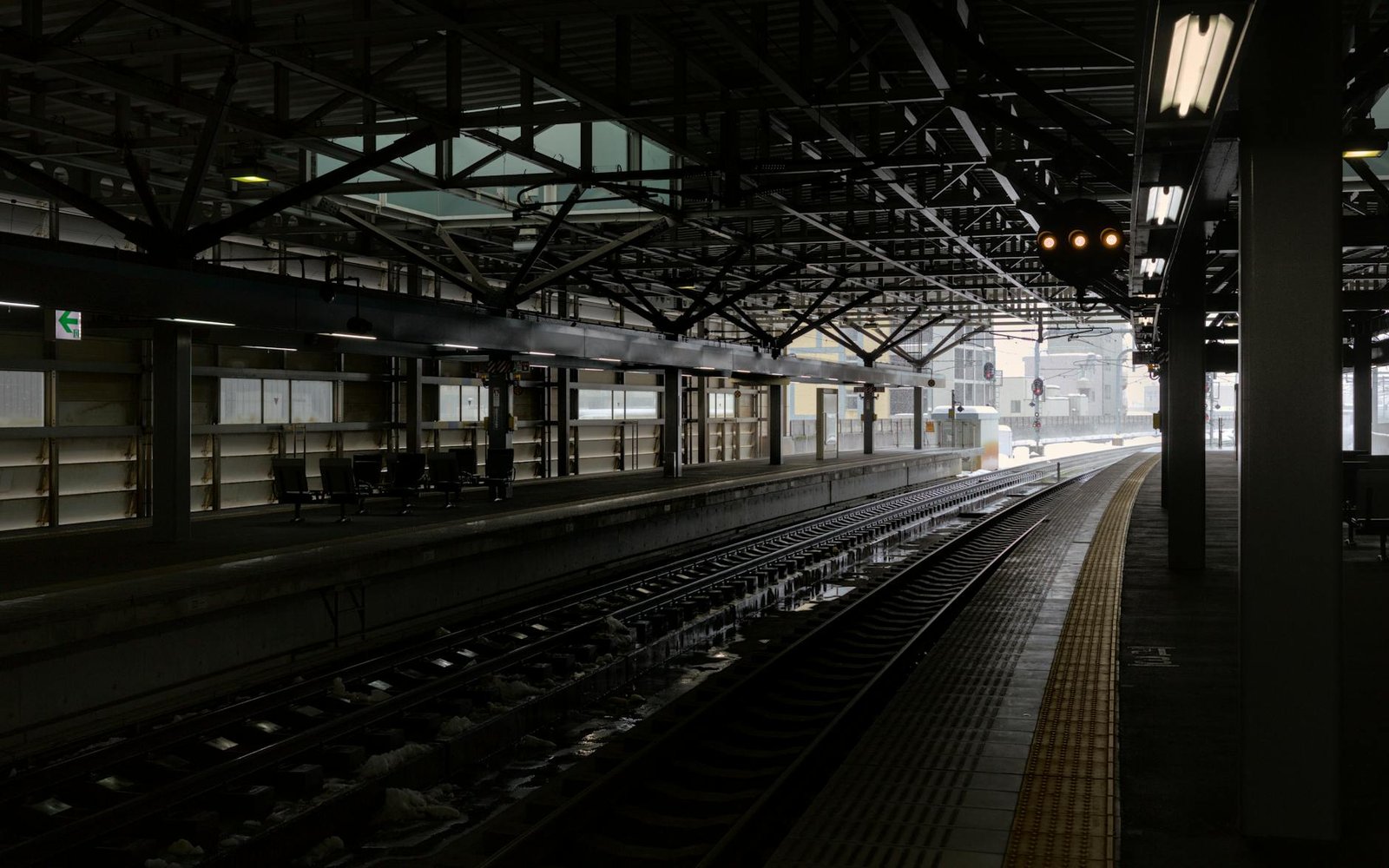
Tucked along the rugged coastline of Fukui Prefecture on the Sea of Japan, Tsuruga is one of those rare ports that carries centuries of history in its salt air. Long before Yokohama or Kobe claimed the international spotlight, this compact city served as Japan’s principal gateway for trade and cultural exchange with continental Asia — earning it the poetic nickname “the road of Eurasia.” For cruise passengers, that layered past translates into a destination that rewards the genuinely curious.
Arriving by Ship
Tsuruga’s cruise terminal sits right on Tsuruga Bay, and first impressions are gentle rather than dramatic — pine-covered hills rolling down to a calm harbour, fishing boats bobbing alongside larger vessels. The port is compact and navigable, and English-language signage has improved considerably in recent years. Taxis wait immediately outside the terminal, and the city centre is only a short ride away. Car hire arrangements and private guided tours are also available directly from the port, which is ideal if you want to maximise your time in the wider region.
Things to Do

The first stop for history lovers should be Kanegasaki Shrine, a deeply atmospheric complex dedicated to two imperial princes who died defending the Southern Court during Japan’s turbulent 14th-century civil wars. The approach through mossy stone lanterns sets an unmistakable mood. Just down the coast, the Tsuruga Museum of Railway History is a genuine surprise — this is, after all, the terminal city of the old Hokuriku Main Line, and the collection of vintage locomotives and artefacts is one of the finest of its kind in western Japan.
If you have a full day at your disposal, the surrounding region opens up dramatically. A private car tour from the port can sweep you inland to places like Aizu in Fukushima Prefecture, where samurai culture feels almost entirely intact. 🎟 Book: From Tsuruga Port Private Car Tour You can also combine Tsuruga Castle with the beautifully preserved post-town of Ouchi-juku on a longer private excursion from the port. 🎟 Book: Full Day Fukushima Private Tour: Tsuruga Castle & Ouchi-juku For something more accessible within the city itself, the Kehi no Matsubara pine grove — one of Japan’s three great pine forests — makes for a serene waterside walk.
Local Food
Tsuruga’s position on the Sea of Japan means seafood dominates the table in the best possible way. Echizen crab (echizen kani), the local variety of snow crab caught in the cold waters offshore, is the prize ingredient from November through March — arguably the finest crab in all of Japan, and protected by strict quotas that keep quality absurdly high. Outside crab season, look for takashi (rock flathead), grilled or as sashimi, and funazushi, a pungently fermented crucian carp dish that has been made in this region for over a thousand years. It is an acquired taste, but trying it once feels like a genuine act of travel.
The port district has a handful of small izakayas (Japanese gastropubs) where you can graze through plates of grilled fish, pickled vegetables, and cold local sake from Fukui’s respected breweries. If you find yourself wanting a more guided introduction to Japanese drinking-food culture, a dedicated izakaya food tour in the region is a brilliant way to eat well and learn simultaneously. 🎟 Book: Izakaya Food Tour in Nagano
Shopping

Tsuruga’s shopping is low-key and authentic rather than polished and tourist-facing, which is part of its charm. The Nishi-machi shopping street near the central station carries a mix of local food producers, lacquerware shops, and traditional craft stores. Look for Echizen washi (handmade paper), one of the region’s most celebrated crafts, sold in specialist shops throughout the city. Fukui Prefecture is also Japan’s leading producer of eyeglass frames — slightly random, entirely true — and you can find quality optical goods at prices that would surprise you. Pickled foods, local sake, and individually wrapped wagashi (Japanese confectionery) all travel well and make meaningful souvenirs.
Practical Tips
Tsuruga is a mid-sized city rather than a sprawling metropolis, which means it is genuinely easy to get around. Taxis are plentiful and reliable, though English-speaking drivers are not guaranteed outside the port area — having your destinations written in Japanese is smart preparation. The city is connected to Kyoto by train in roughly two hours, making a day trip to the ancient capital feasible if your ship stays in port long enough. Cash is still king in many smaller establishments, so carry yen from the moment you disembark. Summers are warm and humid; spring and autumn offer the most comfortable conditions for walking.
Cruises That Visit Tsuruga Japan
Tsuruga has grown steadily in its appeal to international cruise lines seeking alternatives to the well-worn Yokohama–Kobe corridor. Princess Cruises and Holland America Line both include Tsuruga on Japan-focused itineraries, typically sailing from ports such as Tokyo (Yokohama), Osaka (Kobe), or occasionally from Shanghai or Hong Kong on repositioning voyages. Voyage lengths tend to run between 12 and 18 days, weaving through multiple Sea of Japan ports alongside more familiar stops.
Silversea and Seabourn feature Tsuruga on their luxury Japan coastal sailings, attracting passengers who want deeper access to lesser-visited ports rather than simply ticking off the famous names. These smaller ships are particularly well-suited to Tsuruga’s intimate harbour.
The best time to visit by sea is April to May for cherry blossoms and mild weather, or October to November for autumn foliage and — crucially — the opening of Echizen crab season. Summer departures are possible but can bring humidity and occasional rain from the seasonal fronts that affect the Sea of Japan coast.
🚢 Cruises That Stop at Tsuruga Japan
Ready to book a cruise to Tsuruga Japan?
Compare itineraries, prices, and cabin types from all the major cruise lines — with a best price guarantee and no booking fees.
🔍 Search Cruises to Tsuruga Japan →
Affiliate link — we may earn a commission if you book, at no extra cost to you.
Tsuruga will never compete with Kyoto for name recognition or with Tokyo for spectacle, and that is precisely why it deserves a place on your itinerary. It is the Japan that exists between the famous photographs — quieter, more textured, and all the more rewarding for the effort it asks of you.
🎟️ Things to Book in Advance
These highly-rated experiences fill up fast — book before you arrive to avoid missing out.


This page contains affiliate links. If you book through them, we may earn a small commission at no extra cost to you.
📍 Getting to Tsuruga Japan
Use the interactive map below to explore the port area and plan your route from the terminal.
Leave a Reply