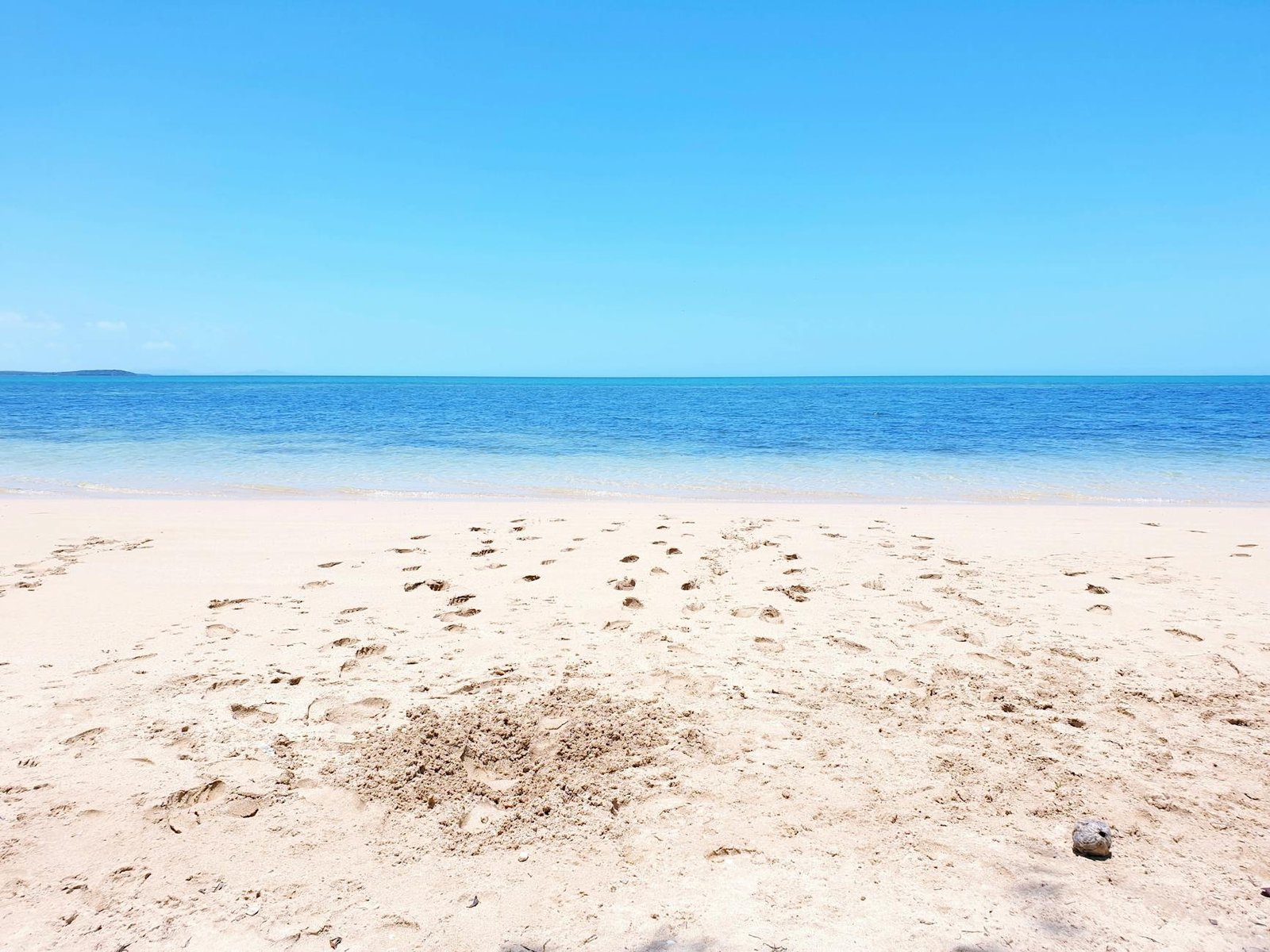
Lifou sits in the Loyalty Islands of New Caledonia like a secret the Pacific has been keeping. Most cruise passengers arrive expecting a beach day with a coconut in hand — and while the beaches absolutely deliver, the island’s spiritual depth, extraordinary marine life, and untouched Kanak culture make this one of those rare ports that genuinely stays with you.
Arriving by Ship
Lifou’s cruise tender anchorage drops you at Wé, the island’s modest main town, via a short boat ride from the ship. The arrival is immediately disarming — crystal-clear water, a shoreline fringed with native pine trees, and no commercial frenzy waiting on the dock. Unlike many Pacific ports, there’s no gauntlet of taxi touts or souvenir hawkers. What you get instead is a gentle welcome that immediately signals you’re somewhere different. The whole island is elevated coral limestone, which gives it an almost otherworldly character — flat in places, dramatic in others, riddled with caves and punctuated by vivid turquoise bays.
Things to Do

The water here is genuinely special. The bay at Luengoni Beach ranks among the most photogenic in the entire South Pacific, with shallow gradients and visibility that makes snorkelling feel like floating over an aquarium. A wonderful way to experience the marine life is the Water Taxi Signal Island Turtle Tour, which takes you out to encounter sea turtles in their natural habitat — an experience that feels remarkable even for seasoned ocean travellers. 🎟 Book: Water Taxi Signal Island Turtle Tour for cruisers
On land, the Chapelle Notre-Dame de Lourdes stands on a clifftop above Wé and offers sweeping views across the bay. It’s a short, easy walk and the panorama alone justifies the effort. The Easo area on the island’s north coast rewards those who venture beyond the immediate port area — quieter, wilder, and hauntingly beautiful. If you have any interest in Kanak culture, seek out local guides who can explain the clan-based social structure, traditional taro cultivation, and the significance of the grande case (chief’s hut) in village life. This is living culture, not a museum exhibit.
Local Food
Eating on Lifou means eating simply and eating well. Bougna is the dish to try — a traditional Kanak preparation of yam, taro, sweet potato, coconut milk, and your choice of chicken, fish, or crab, wrapped in banana leaves and slow-cooked in an earth oven. It’s earthy, rich, and completely unique to this part of the world. A handful of small restaurants and family-run stalls near the port serve it on cruise days. Fresh coconuts, tropical fruit, and grilled fish also appear regularly at market tables. Don’t expect restaurants with menus and wine lists — this is honest, home-style food made with genuine pride.
Shopping

Shopping on Lifou is refreshingly low-pressure and genuinely artisanal. Local women sell hand-woven pandanus hats, baskets, and mats near the waterfront — pieces that are actually made here, not imported from a factory elsewhere. Carved wooden items, shell jewellery, and woven bags make meaningful, lightweight souvenirs. Prices are modest and bargaining isn’t really the culture here — pay what’s asked and you’re contributing directly to families who’ve likely lived on this island for generations. There’s no duty-free complex or branded resort shop, which is, frankly, one of Lifou’s great charms.
Practical Tips
Lifou runs on a quiet pace that doesn’t bend to cruise ship schedules. Bring cash — Franc CFP (XPF) is the local currency and card machines are rare. Australian dollars are sometimes accepted, but don’t rely on it. Sun protection is essential; the limestone reflects light intensely and the UV index is brutal. Shoes with grip are useful if you plan to explore the coral rock terrain beyond the beach. Most of the island’s highlights are reachable on foot or by a short local taxi ride — negotiate the fare before you get in. Fresh water is scarce on the island so locals appreciate visitors who don’t waste it.
Cruises That Visit Lifou, New Caledonia
Lifou is a popular port call on South Pacific itineraries departing from Australia and New Zealand. P&O Cruises Australia has long been one of the most consistent operators calling here, regularly including Lifou on roundtrip voyages from Sydney and Brisbane. These itineraries typically run between 10 and 14 nights, combining Lifou with other New Caledonian ports like Noumea and the Isle of Pines.
Royal Caribbean and Celebrity Cruises have both included Lifou on select South Pacific sailings, generally operating longer voyages of 12 to 18 nights departing from Sydney. Norwegian Cruise Line and Princess Cruises also feature the island on repositioning and dedicated Pacific itineraries from time to time.
The best time to visit Lifou by cruise ship falls between May and October, which is the Southern Hemisphere’s dry season. Temperatures sit in the comfortable low-to-mid 20s Celsius, humidity is manageable, and sea conditions are generally calm. The wet season (November to April) brings heat, humidity, and the possibility of cyclone activity, though some ships still operate during this period.
🎟️ Things to Book in Advance
These highly-rated experiences fill up fast — book before you arrive to avoid missing out.


This page contains affiliate links. If you book through them, we may earn a small commission at no extra cost to you.
📍 Getting to Lifou New Caledonia
Use the interactive map below to explore the port area and plan your route from the terminal.
Leave a Reply