Most Antarctica cruises orbit the same famous spots, but Livingston Island punches well above its weight. It’s raw, remote, and genuinely wild — a place where chinstrap penguins outnumber human visitors by a staggering margin. If your ship is heading here, pay close attention.
Arriving by Ship
Livingston Island has no permanent civilian port infrastructure, so all arrivals are by Zodiac tender from your anchored vessel. The most common landing sites are Cierva Cove and Hannah Point, with Hannah Point being the crown jewel for wildlife encounters — expect a wet landing on a pebbly beach, so waterproof boots are non-negotiable.
Your expedition team manages the entire shore operation, typically running Zodiac shuttles in small groups to comply with IAATO (International Association of Antarctica Tour Operators) regulations. Groups are limited to 100 visitors ashore at any one time, which keeps the experience intimate and the wildlife undisturbed.
Things to Do

Livingston Island rewards the curious and the patient. There’s no town, no café, and no souvenir shop — just one of the most extraordinary wildlife stages on the planet.
Wildlife
- Hannah Point penguin colony: Walk among chinstrap and macaroni penguins at one of the most accessible mixed colonies in the South Shetlands — bring a 200mm+ camera lens for frame-filling shots.
- Elephant seal lounging beaches: Massive southern elephant seals haul out along the shoreline, often within metres of the landing zone; keep the mandatory 5-metre distance but they’re hard to miss.
- Weddell and leopard seal spotting: Ask your Zodiac driver to cruise the ice edges before landing — leopard seals frequently rest on floes near Hannah Point.
- Seabird watching: Kelp gulls, southern giant petrels, and cape petrels nest in the rocky outcrops above the beach; binoculars are worth the bag space.
Exploration
- Zodiac cruising along the coastline: Many expedition ships offer optional Zodiac tours around the ice cliffs and sea caves before or after landing — check the daily programme board for sign-up times.
- Byers Peninsula day hike: On longer itineraries, some ships land at the west side for a hike across one of the largest ice-free areas in the South Shetlands — a truly remote wilderness walk.
- Snowshoeing or hiking to elevated viewpoints: Your expedition team may lead a guided snowshoe trek from the landing beach up to a ridge overlooking the Bransfield Strait — extraordinary on a clear day.
- Photography workshops on deck: Most Antarctic expedition ships run onboard photography sessions paired with shore visits; check if your ship’s naturalist offers one timed to the Hannah Point landing. 🎟 Book: International Antarctic Centre General Admission Ticket
History
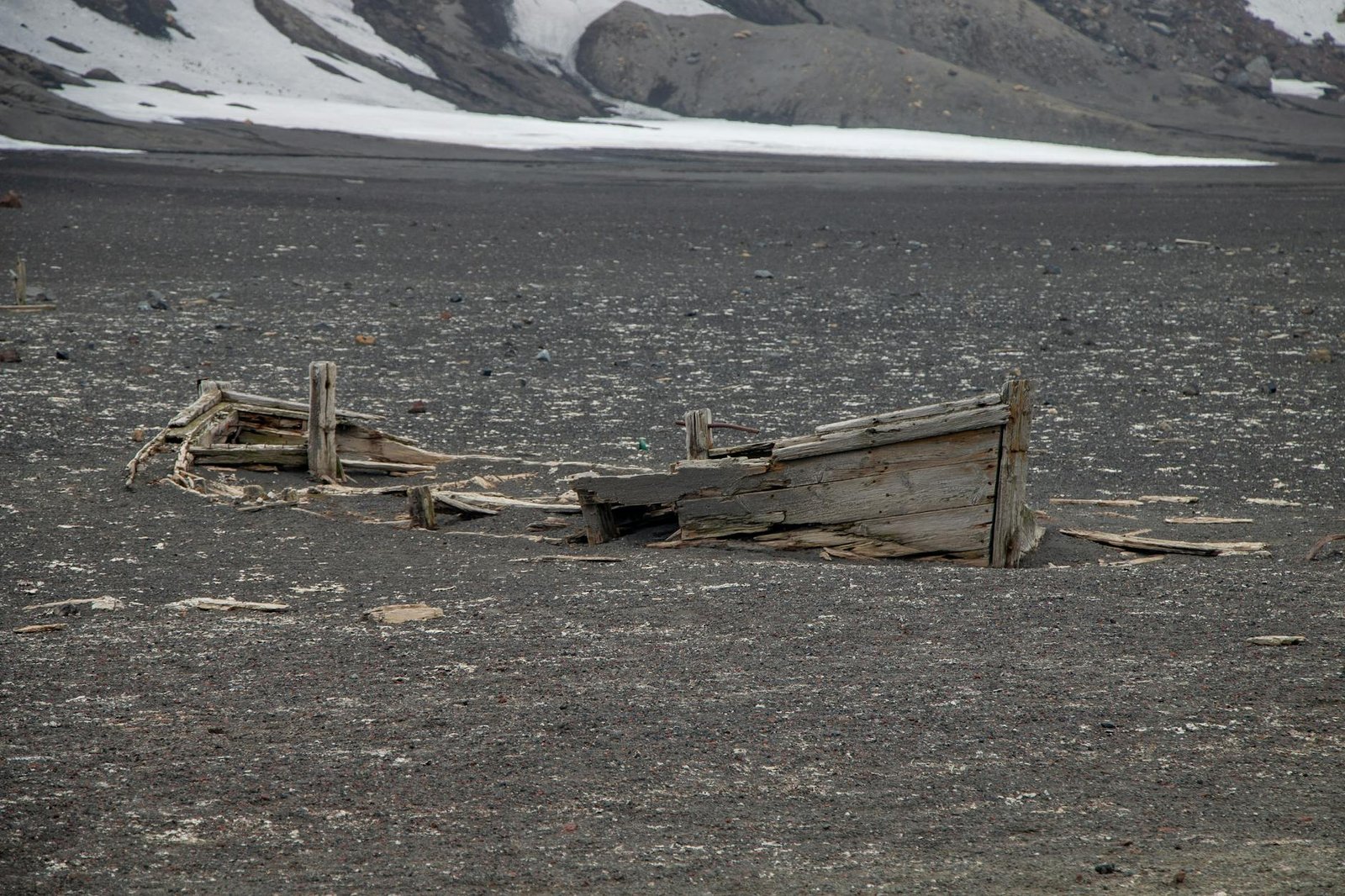
- Wreck and historical marker sites: Livingston Island was a major 19th-century sealing ground; look for interpretive signage at Hannah Point about the brutal early history of subantarctic exploitation.
What to Eat
There are zero dining options ashore — Livingston Island is completely uninhabited — so all your meals happen on the ship. That said, expedition vessels heading here tend to run serious galleys.
- Hot soup on return from shore: Almost every Antarctic expedition ship greets returning Zodiac passengers with a thermos of hot soup at the gangway — simple, but after a cold wet landing it’s magnificent.
- King crab and Patagonian toothfish: If your cruise departs from Ushuaia or Punta Arenas, pre- or post-cruise dinners in port will feature these Southern Ocean specialities; budget around USD 25–40 for a main course.
- Penguin-watching picnic lunch: Some operators run an optional on-ice or on-shore packed lunch during extended landings — check with your expedition team at embarkation.
- Pisco sours and craft beer in Ushuaia: The gateway city ports have excellent bars and restaurants; El Viejo Marino on the Ushuaia waterfront is a reliable pre-cruise dinner stop.
- Full-day Tierra del Fuego dining experience: If you have extra time in Ushuaia, a combined wildlife and food tour covers local lamb dishes and king penguin encounters in one go. 🎟 Book: King Penguin & Tierra del Fuego Tour
Shopping

There is absolutely nothing to buy on Livingston Island itself — bring any souvenirs you want from your embarkation port. Ushuaia has a solid main street strip selling Antarctic-themed gear, locally made leather goods, and Patagonian wool products.
Focus on practical purchases before you board: branded expedition parkas from shops like Nativo Arte or the port market make genuinely useful souvenirs. Avoid cheap penguin trinkets made outside Argentina — look for the “hecho en Argentina” label for authenticity.
Practical Tips
- Currency: There is no commerce on the island; bring Argentine pesos or US dollars for port shopping in Ushuaia before departure.
- Tipping: Budget USD 10–15 per day for your ship’s expedition team — it’s customary and genuinely appreciated on Antarctic voyages.
- Dress code: Layer a moisture-wicking base, a fleece mid-layer, and a fully waterproof outer shell; temperatures range from -5°C to 5°C even in peak summer.
- Best time to go ashore: Early morning landings typically have calmer seas and better light for photography — sign up for the first Zodiac group if possible.
- IAATO rules are strictly enforced: Stay on marked paths, never approach wildlife closer than 5 metres, and don’t pick up rocks or feathers.
- Time ashore: Most Livingston Island landings run 2–3 hours; use every minute — the peninsula rewards slow, observant walking. 🎟 Book: Penguin walk in Ushuaia + navigation option
- Seasickness: The Drake Passage crossing can be brutal; pack prescription patches or Stugeron tablets and take them the night before departure.
Livingston Island will leave boot prints on your soul long after the ship pulls away — go ready to be properly humbled by the wild.
🎟️ Things to Book in Advance
These highly-rated experiences fill up fast — book before you arrive to avoid missing out.


This page contains affiliate links. If you book through them, we may earn a small commission at no extra cost to you.
Leave a Reply