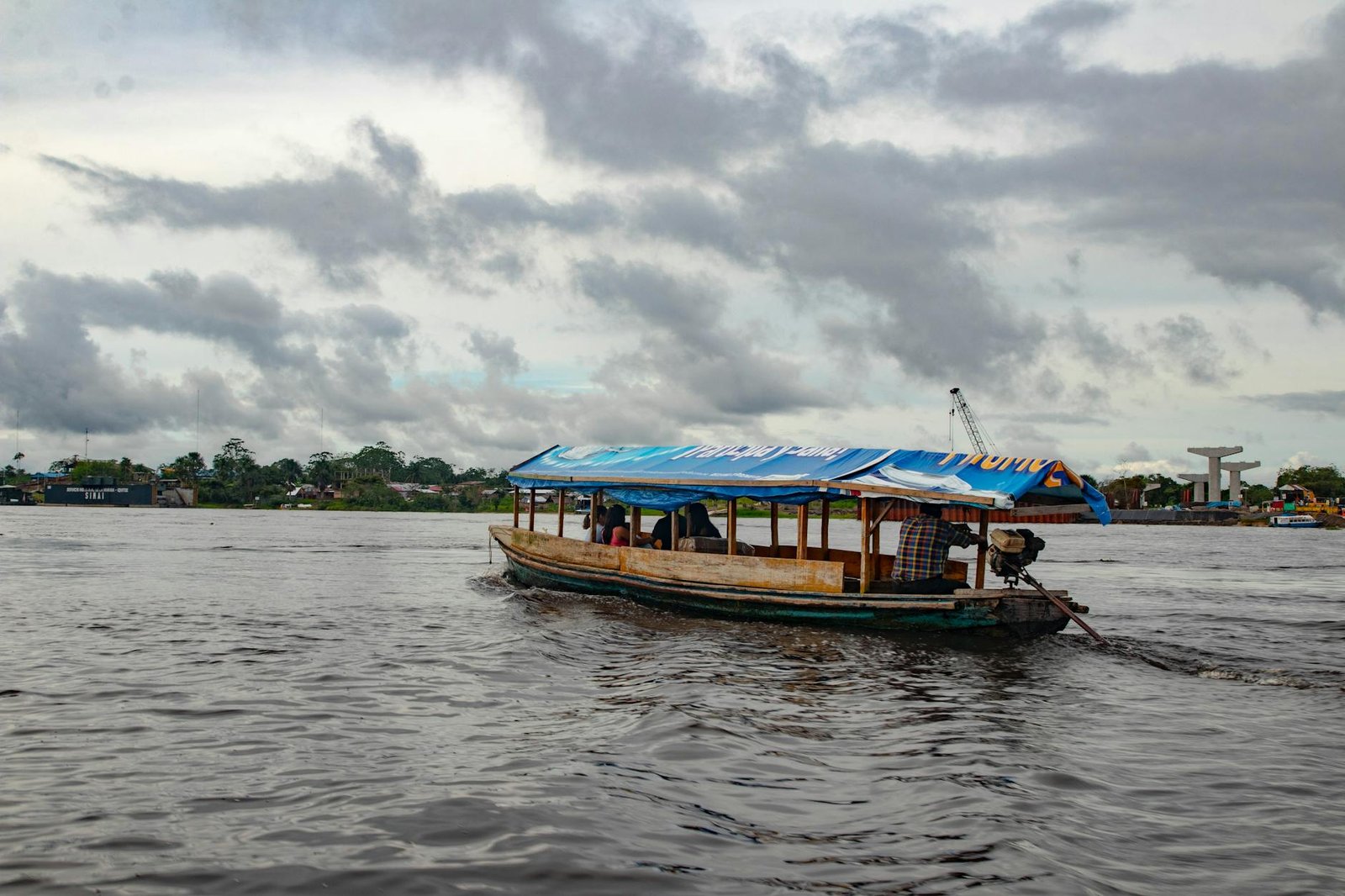
Most cruisers arrive in Loreto expecting a sleepy stopover to sleep through, a forgotten dot on the Sea of Cortez map wedged between the glittering draws of Cabo and La Paz. What they discover instead is one of Mexico’s oldest colonial towns, a national marine park teeming with whale sharks and manta rays, and a food scene that punches well above its size.
Arriving by Ship
Loreto sits on the eastern coast of the Baja California Sur peninsula, cradled between the Sierra de la Giganta mountains and the impossibly blue waters that Jacques Cousteau once called “the world’s aquarium.” Cruise ships tender passengers ashore, so your first moments in Loreto involve a short boat ride — which, honestly, only adds to the sense of adventure.
Once you step onto the malecón, Loreto’s seafront promenade, the pace immediately slows. This is not a port that has been overrun by souvenir stalls and chain restaurants. The town centre is compact and walkable, the streets are clean and shaded by palms, and locals genuinely outnumber tourists on any given morning. Give yourself a few minutes to adjust to that — it’s surprisingly refreshing after more commercial cruise stops.
Things to Do

Loreto’s headline attraction is the Misión de Nuestra Señora de Loreto, founded in 1697 and the oldest permanent settlement in the Californias. The mission still stands in remarkable condition at the heart of town and takes less than twenty minutes to explore, though the small adjoining museum could easily occupy another half hour.
Beyond the mission, the real draw is the water. The Parque Nacional Bahía de Loreto protects five islands just offshore, and the snorkelling and diving here rival anything in the Caribbean. Coronado Island is the closest and most visited, offering colourful sea lions, rays, and reef fish in shallow, crystal-clear waters. 🎟 Book: Best Tour to Coronados Island 🎟 Book: Coronado Island Tour from Loreto
If you’d rather stay on land, the surrounding sierra offers dramatic hiking. Tabor Canyon carves through ancient volcanic rock with prehistoric cave paintings hidden along the trail — a genuinely extraordinary find for anyone interested in history or geology. 🎟 Book: Guided Hike in Tabor Canyon For something more culturally immersive, the San Javier Mission tour takes you deep into the mountains to visit an even older church surrounded by ancient olive groves, with lunch included along the way. 🎟 Book: Explore San Javier Mission, Lunch, Walk & Historical Tour
Local Food
Loreto’s food scene is rooted firmly in Baja Med cooking — that beautiful fusion of Mexican tradition with Mediterranean influence and the freshest Pacific seafood you’ll find anywhere. Skip any restaurant within fifty metres of the tender dock and walk two or three blocks inland instead.
Start with a fish taco, but don’t expect the battered, mayonnaise-heavy version you might know. Here they arrive with grilled or lightly fried local catch, a squeeze of lime, hand-made salsa, and corn tortillas pressed fresh while you watch. Ceviche is another staple, typically made with corvina or shrimp, cured in citrus and loaded with cucumber and serrano chilli.
The malecón itself has a handful of casual spots where locals eat breakfast — chilaquiles drenched in green salsa with crumbled cheese and a strong café de olla are a brilliant way to start the morning before the heat builds. For something more atmospheric, look for restaurants set around the town plaza where tostadas de camarón and cold Pacífico beer are practically a religion. A walking food tour is one of the smartest ways to navigate it all, letting a guide steer you to family-run spots you’d never stumble into alone. 🎟 Book: Small Group Food and Bike or Walking Tour in Loreto
Shopping

Loreto won’t exhaust your credit card, and that’s part of its charm. The best shopping is focused along Francisco Madero and the streets fanning out from the mission plaza. Independent shops sell Talavera pottery, hand-tooled leather goods, and woven textiles — most of it genuinely regional rather than mass-produced imports.
Look out for local honey, particularly from the sierra villages. Baja California Sur’s wild flora gives the honey a distinctive flavour that’s worth bringing home. Several shops also stock excellent Baja wines from the Valle de Guadalupe, and if you find a bottle of damiana liqueur — made from a native herb with a pleasantly earthy sweetness — buy at least one.
Bargaining is accepted but keep it good-natured. Prices are already reasonable by comparison with other Mexican cruise ports, and pushing too hard rarely ends well for anyone.
Practical Tips
The tender process can create a bottleneck during busy ship days, so aim to get ashore early and return before the mid-afternoon rush. Everything in the town centre is within comfortable walking distance, but if you’re heading out to the islands or the mountains, arrange transport in advance — the port is well set up for pre-booked excursions.
Loreto is hot and dry for much of the cruise season, so sunscreen, a hat, and a water bottle are essential rather than optional. The tap water is not safe to drink; stick to bottled. Pesos are preferred in smaller shops and food stalls, though US dollars are widely accepted.
Loreto rewards travellers who resist the urge to rush. It has no megaclubs, no swim-up bars, and no artificial spectacle — just mountains, sea, history, and food cooked with genuine care. That, it turns out, is exactly what the best cruise stops look like.
🎟️ Things to Book in Advance
These highly-rated experiences fill up fast — book before you arrive to avoid missing out.


This page contains affiliate links. If you book through them, we may earn a small commission at no extra cost to you.
Leave a Reply