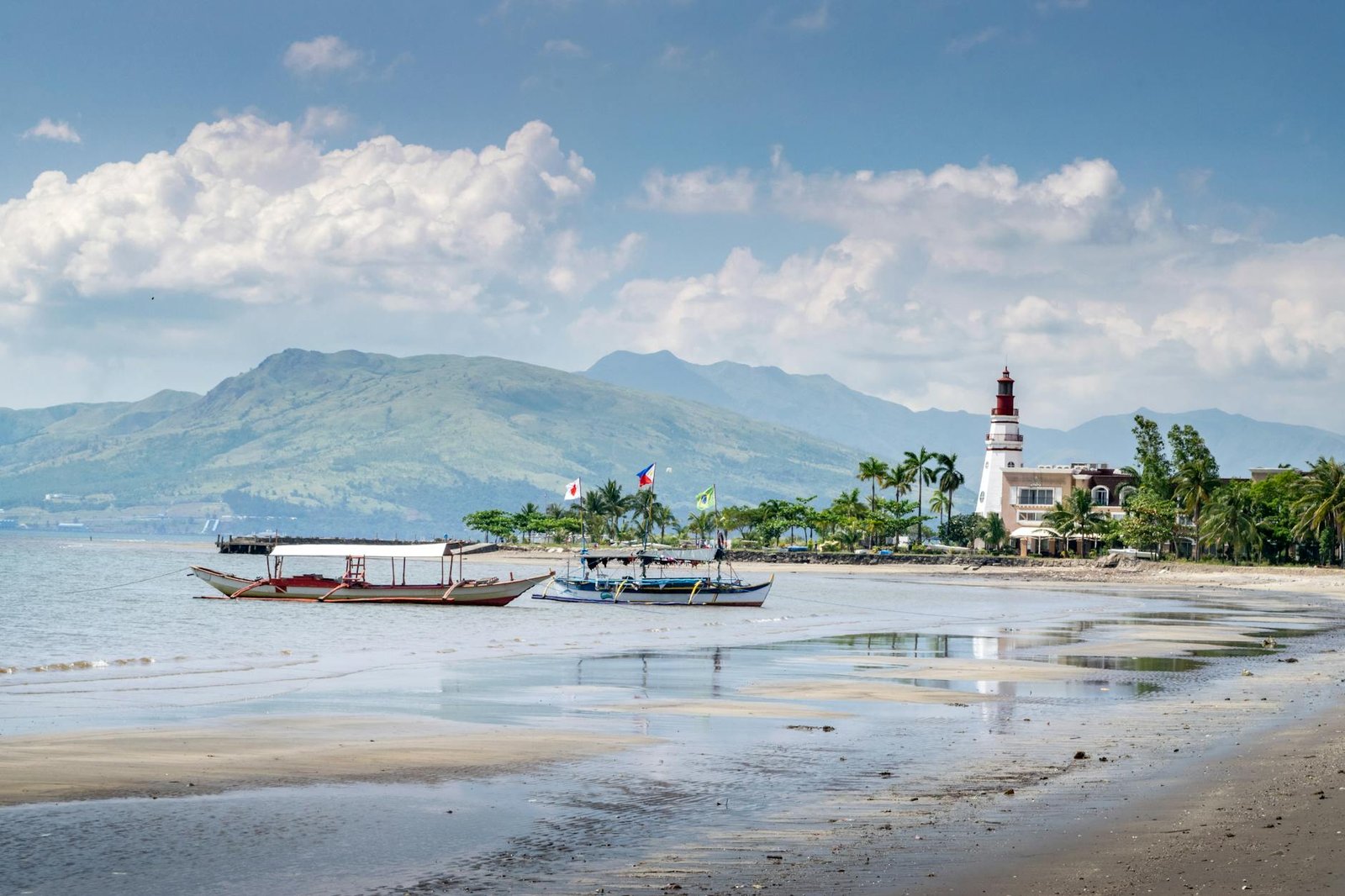
Quick Facts: Port: Subic Bay Freeport | Country: Philippines | Terminal: Subic Bay Freeport International Cruise Terminal | Docked (alongside berth) | Distance to city center: ~2 km to Waterfront Road commercial strip | Time zone: UTC+8 (Philippine Standard Time)
Subic Bay Freeport is one of Southeast Asia’s most fascinating port calls — a former U.S. Naval Base transformed into a Special Economic Zone packed with jungle adventure, WWII dive sites, a functioning wildlife reserve, and a genuinely great food scene. The single most important planning tip: this port is self-contained, meaning nearly everything worth doing is inside the Freeport Zone, so you rarely need to venture far.
—
Port & Terminal Information
The Subic Bay Freeport International Cruise Terminal sits along the western waterfront of the Freeport Zone, adjacent to Alava Pier. Ships dock alongside — no tendering — so you can walk off at your scheduled time without the frustrating queue for tender tickets.
The terminal building is modest but functional: you’ll find a small tourist information desk, basic souvenir stalls, and money changers (rates are mediocre — better rates are at banks along Waterfront Road). There are ATMs inside and just outside the terminal. Wi-Fi is limited inside; pick it up at the cafés a short walk away. Luggage storage is not formally available, so leave bags on the ship if you’re traveling light.
Confirm your exact berth location and walking distance to the main commercial strip with Google Maps before you arrive.
—
Getting to the City

The Freeport’s layout is compact and very cruise-friendly. Most attractions are within a short ride or walk of the terminal.
- On Foot — The Waterfront Road strip of restaurants, shops, and bars is roughly 1.5–2 km from the terminal — a 15–20 minute flat walk along a pleasant bayside path. Perfectly manageable in the morning before the heat peaks.
- Tricycle (motorized) — The standard local transport inside the Freeport. Short hops cost ₱30–60 ($0.50–$1 USD). Flag one down outside the terminal gate; agree on the fare before you get in.
- Taxi/Grab — Air-conditioned taxis and Grab (the regional Uber equivalent) operate inside the Zone. Expect ₱80–150 ($1.50–$2.50) to Waterfront Road; ₱200–350 ($3.50–$6) to Ocean Adventure or JEST Camp on the other side of the Zone. Always confirm the meter is running with taxis.
- Jeepney — Local jeepneys run fixed routes through the Freeport for ₱10–15 (under $0.30). Slow and fun; useful if you’re heading to the Subic Bay Metropolitan Authority (SBMA) area.
- Hop-On Hop-Off — No official HOHO bus operates here; don’t expect one.
- Rental Car/Scooter — Car rental desks operate in the Zone (budget ₱1,500–2,500/$25–45/day). Scooters are available near the market area for ₱500–700/day — practical if you want to explore the jungle perimeter roads at your own pace.
- Ship Shore Excursion — Worth booking through the ship for the WWII wreck diving tours and longer jungle experiences, since these require pre-coordination. For everything on Waterfront Road, go independently.
—
Top Things to Do in Subic Bay Freeport
Subic Bay punches well above its weight for a single port day — history, nature, adventure, and beaches are all within the same fenced Zone.
Must-See
1. USS New York Wreck Dive (from ~$40 USD for certified divers) — One of the most accessible WWII-era wreck dives in Asia. The sunken battleship sits in shallow, clear water inside the bay. Book a guided dive trip through Viator or GetYourGuide. Allow 3–4 hours.
2. Subic Bay Waterfront Road (free) — The pedestrian-friendly strip of colonial-era buildings, open-air restaurants, bars, and shops that forms the social heart of the Freeport. An essential stroll even if you’re short on time. Allow 1 hour.
3. JEST Camp Jungle Survival Training (from ₱800–1,200/$14–21) — Former U.S. Navy Jungle Environmental Survival Training camp now run by the Aeta indigenous community. You learn fire-making, bamboo cooking, and jungle navigation from Aeta guides. For a deeper experience, the Subic Bay Jungle Survival Basic Skills tour on Viator runs a full 12-hour program from USD 53.34. Allow 2–4 hours for the basic version.
Beaches & Nature
4. Camayan Beach Resort (₱450–600/$8–10 entrance) — The best beach inside the Freeport: white sand, calm water, loungers, and a swim-up bar. A 10-minute tricycle ride from the terminal. Allow 2–3 hours.
5. Subic Bay Zoo & Forest Adventure (₱350/$6) — A working forest park with ziplines, canopy walks, and close-up encounters with Philippine wildlife including the Palawan bearcat. Allow 1.5–2 hours.
6. Triboa Bay Mangrove Park (free–₱100 guided) — A quiet kayak-able mangrove system on the eastern edge of the Zone. Rent a kayak for ₱200–300/hour. Peaceful and off most tourist itineraries. Allow 1.5 hours.
Day Trips
7. Olongapo City (free entry, ~15 min by taxi) — Just outside the Freeport gate, this lively city has the Olongapo Public Market for the freshest local produce and street food, and the famous Magsaysay Drive strip. Grab crosses the gate freely. Allow 1.5–2 hours.
8. Mt. Redondo Hiking Trail (free) — A scenic jungle ridge hike inside the Freeport with bay views. The trail is well-maintained; a guide from JEST Camp is recommended for first-timers. Allow 3 hours return.
Family Picks
9. Ocean Adventure (₱850–1,200/$15–21) — Southeast Asia’s only open-water marine theme park: dolphin shows, sea lion encounters, and saltwater pools built into the bay. Kids love it; genuinely impressive. Book ahead on GetYourGuide. Allow 2.5–3 hours.
10. Zoobic Safari (₱700–850/$12–15) — Drive-through tiger feeding, crocodile shows, and a petting zoo inside a proper jungle setting. The tiger jeepney ride is the headline act. Allow 2 hours.
Off the Beaten Track
11. Aeta Village Cultural Visit (₱300–500/$5–9 donation-based) — Spend an hour with the indigenous Aeta people inside the forest. A JEST Camp guide arranges this respectfully. Allow 1.5 hours.
12. Grande Island (₱400 ferry round-trip + entrance) — A forested island 20 minutes by boat with WWII gun batteries, a beach resort, and complete quiet. Ferries leave from the Alava Pier near the terminal. Allow 3–4 hours.
—
What to Eat & Drink

Subic’s food scene reflects its hybrid identity: Filipino comfort cooking meets American-era diner culture, with excellent fresh seafood running through everything. Waterfront Road is the main eating corridor and is well-priced by any standard.
- Lechon (roast suckling pig) — The Philippine national obsession; several Waterfront Road restaurants serve it by the kilo. Try Gerry’s Grill or Lemon & Olives. ₱250–400/kilo ($4.50–7)
- Sinigang na hipon — Sour tamarind shrimp soup; restorative and deeply local. ₱180–280 ($3–5) at any turo-turo (point-point) canteen
- Kare-Kare — Oxtail and vegetables in peanut sauce; served with bagoong (shrimp paste). ₱220–350 ($4–6)
- Balut — Fertilized duck egg, a Filipino street food rite of passage; sold by vendors near the terminal gate at ₱25–35 each
- Fresh lumpia — Fresh spring rolls stuffed with heart of palm, pork, and egg; ubiquitous, cheap, and delicious. ₱50–80 ($0.90–1.50)
- San Miguel Beer — Cold, cheap, and everywhere. ₱50–70 ($0.90–1.25) at any bar on Waterfront Road
- Halo-halo — Shaved ice dessert with ube, coconut, beans, and condensed milk. ₱80–150 ($1.50–2.50) at roadside stalls
—
Shopping
Subic Bay Exhibition and Convention Center (SBECC) and the Waterfront Road strip are your best bets for shopping. Look for pasalubong gift stores selling dried mangoes, calamansi preserves, and local cashew products — far cheaper here than at Manila airport. The Subic Bay Public Market near
🎟️ Things to Book in Advance
These highly-rated experiences fill up fast — book before you arrive to avoid missing out.

This page contains affiliate links. If you book through them, we may earn a small commission at no extra cost to you.
📍 Getting to Subic Bay Freeport, Luzon Island Philippines
Use the interactive map below to explore the port area and plan your route from the terminal.
Leave a Reply