Few cruise passengers expect much from Beni Suef — and that’s exactly why it rewards the curious. This working Egyptian city on the west bank of the Nile sits at the crossroads of ancient pyramid fields, desert oases, and living pharaonic history. Come prepared, and you’ll leave with stories your fellow passengers won’t have.
Arriving by Ship
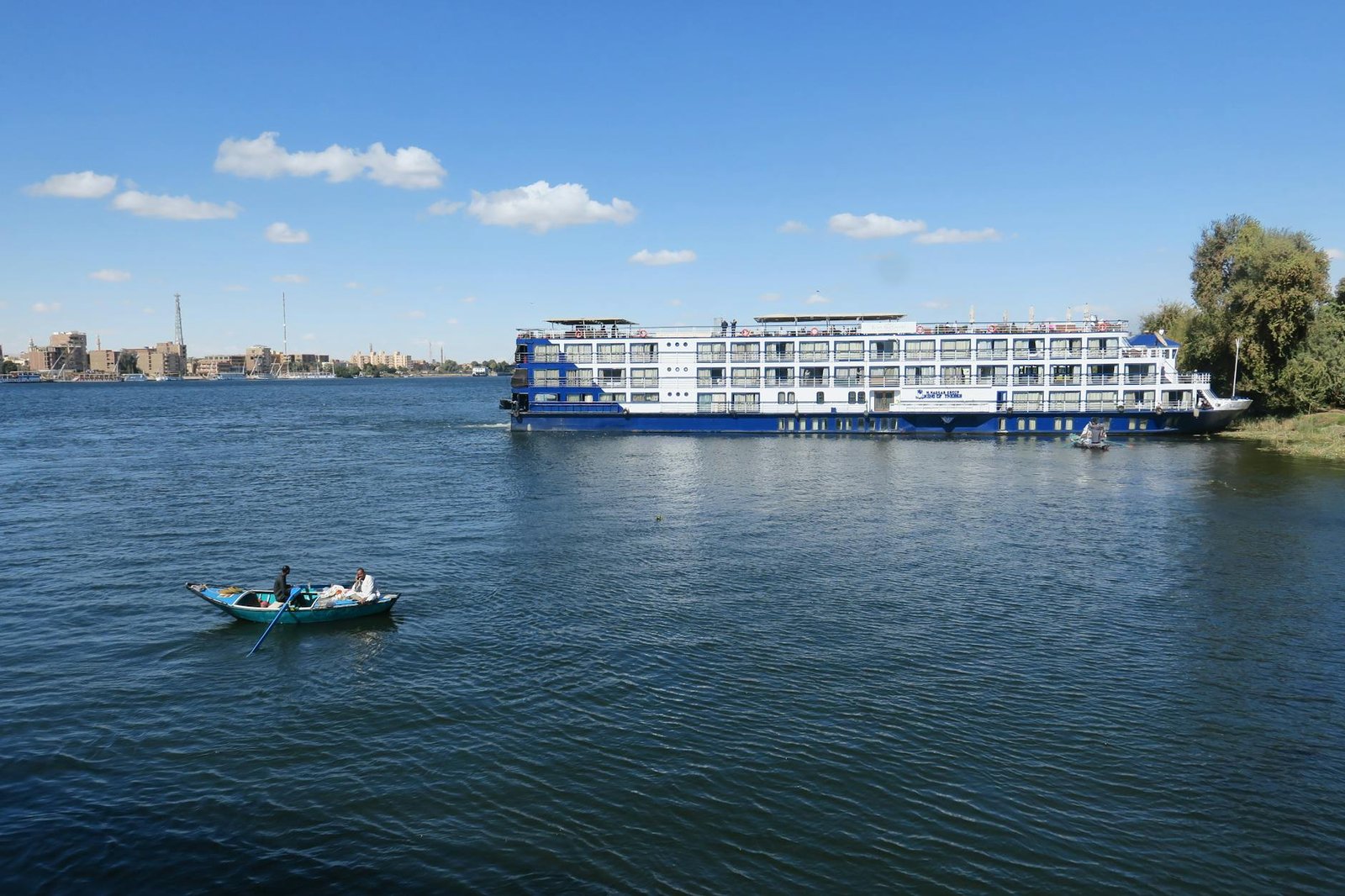
Beni Suef is a river cruise port rather than a deep-water sea terminal, meaning your ship will dock directly along the Nile corniche — no tenders required. The waterfront is functional rather than glamorous, with minimal tourist infrastructure at the dock itself, so have a plan ready before you step ashore.
The city centre is a short taxi ride from the mooring point, but most of the headline attractions — the pyramid fields at Meidum and the Fayoum Oasis — lie 30 to 60 kilometres beyond town. Pre-arrange transport either through your ship or a reputable local guide to avoid wasted time negotiating on the dock.
Things to Do

Beni Suef punches well above its weight for ancient history, and the surrounding governorate is one of Egypt’s least-touristed pyramid regions. Get off the beaten path here and you’ll have limestone corridors and desert landscapes almost entirely to yourself.
History & Archaeology
- Meidum Pyramid — One of Egypt’s oldest pyramids and a visible experiment in pyramid evolution, the Meidum structure rises dramatically from a rubble field; entry costs around EGP 60 (approx. USD 2) and it’s typically open 8am–5pm. A private day tour covering both Dahshour and Meidum is one of the best-value excursions available from this port 🎟 Book: Private Day Tour to Dahshour and Meidum.
- Dahshour Pyramid Complex — Home to the iconic Bent Pyramid and the Red Pyramid (Egypt’s first true pyramid), Dahshour remains blissfully uncrowded compared to Giza; admission is around EGP 60 and you can actually enter the Red Pyramid’s narrow descending passage.
- Fayoum Oasis — A lush natural depression just west of Beni Suef, Fayoum offers pyramid ruins at Hawara and Lahun alongside a working oasis city; a guided day trip is the most efficient way to cover it 🎟 Book: Cheap Trip : day trip to Fayoum from cairo.
- Beni Suef Museum — A small but well-curated regional museum housing artefacts from local excavations, including Greco-Roman mummies; entry is modest at around EGP 30 and it’s open Saturday–Thursday 9am–4pm.
- Nile Corniche Walk — The riverfront promenade is authentic Egyptian daily life in motion — fishermen, tea sellers, and families — free and best experienced in the early morning or late afternoon.
Families
- Wadi El-Rayan Waterfalls (via Fayoum) — Egypt’s only natural waterfalls are a genuine surprise, set within a protected reserve; vehicle entry costs around EGP 5 and the landscape is extraordinary for children and adults alike.
- Qarun Lake, Fayoum — A prehistoric saltwater lake teeming with birdlife and framed by desert cliffs; boat rides with local fishermen can be arranged informally for a few US dollars.
What to Eat
Beni Suef’s food scene is rooted in honest Egyptian home cooking — nothing fusion, nothing fancy, everything flavourful. Street food and local restaurants near the city centre offer outstanding value.
- Ful Medames — Slow-cooked fava beans with olive oil, lemon, and cumin; a staple breakfast found at any street cart from around EGP 10 (under USD 1).
- Koshary — Egypt’s beloved carb-loaded national dish of rice, lentils, pasta, and spicy tomato sauce; local koshary shops in the city centre serve generous portions for EGP 15–25.
- Grilled Nile Tilapia — Fresh fish caught daily and cooked simply over charcoal; look for riverside restaurants along the corniche where a full fish meal costs EGP 80–150.
- Feteer Meshaltet — A flaky, layered Egyptian pastry served sweet or savoury; bakeries near the main market sell individual portions for EGP 10–20.
- Sugarcane Juice — Freshly pressed at roadside stalls throughout the city, cold and intensely sweet; a large cup costs around EGP 5.
Shopping

The central market area around Sharia El-Gomhoreya is where locals actually shop, and it’s far more rewarding than anything tourist-facing. Look for hand-painted pottery, woven palm-leaf baskets, and raw cotton textiles — Beni Suef Governorate has a long history in cotton production and quality pieces are excellent value.
Avoid purchasing antiquities or “ancient” artefacts from any vendor; Egypt’s export laws are strict and the items are almost certainly fake. Stick to contemporary crafts, spices, and dried hibiscus (karkade) — all safe, legal, and genuinely useful souvenirs.
Practical Tips
- Currency — Carry Egyptian Pounds (EGP); US dollars are occasionally accepted but you’ll get better value paying locally in cash.
- Tipping — Bakshish (tipping) is expected for almost every service interaction; keep EGP 5–20 notes handy throughout the day.
- Transport — Negotiate taxi fares before you get in, or use a pre-arranged private driver for day trips to pyramid sites.
- Dress code — Cover shoulders and knees as a baseline; women should carry a scarf for visiting any religious sites.
- Safety — Beni Suef is safe for tourists but attracts very few of them, so stay aware of your surroundings and keep valuables discreet.
- Best time ashore — Go early; by 11am the heat is intense and key sites get uncomfortable by midday from spring through autumn.
- How long you need — Budget at least six hours for a single pyramid site excursion; a full Fayoum day requires eight hours minimum.
Beni Suef won’t dazzle you with polish — it’ll do something better, handing you a raw, unhurried slice of Egypt that most cruise passengers sail straight past.
🎟️ Things to Book in Advance
These highly-rated experiences fill up fast — book before you arrive to avoid missing out.


This page contains affiliate links. If you book through them, we may earn a small commission at no extra cost to you.
📍 Getting to Beni Suef, Egypt
Use the interactive map below to explore the port area and plan your route from the terminal.
Leave a Reply