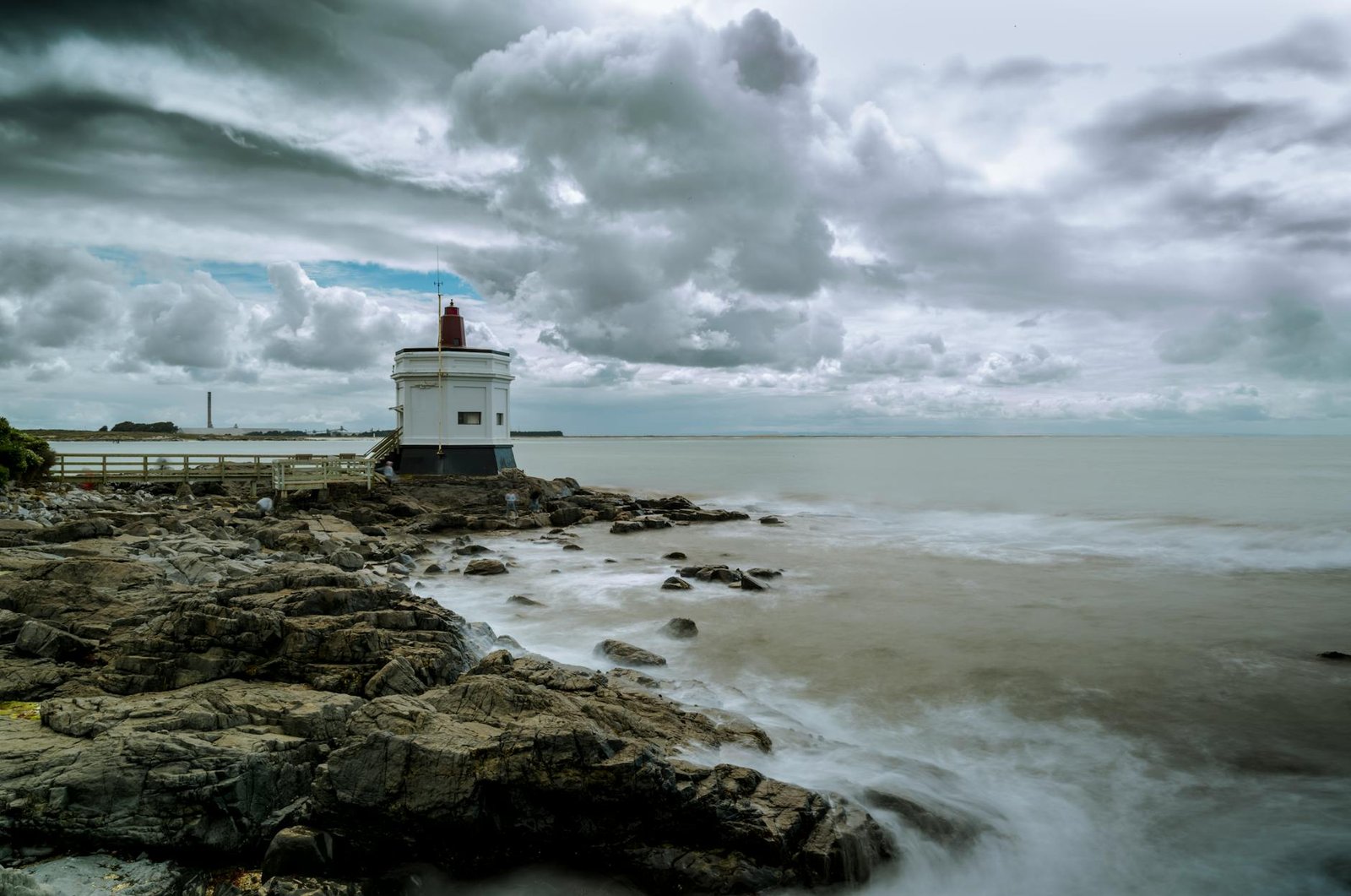
Bluff is the kind of place that gets overlooked precisely because it sits at the very bottom of New Zealand’s South Island, as far south as most travellers ever reach by land or sea. But that geographic extremity is exactly what makes this small, weathered port town so compelling — it’s a genuine end-of-the-world destination with character, history, and some of the best shellfish on the planet.
Arriving by Ship
Bluff’s port is a working commercial and fishing harbour, which means the atmosphere when you step ashore feels authentically industrial rather than tourist-polished. Expedition ships and smaller cruise vessels are the most common visitors here, though the port can accommodate larger ships at its deep-water berths. The town itself is compact and easily walkable from the wharf, and taxis or shuttle services can get you further afield within minutes. One thing to keep in mind: Bluff is often used as a turnaround port for cruises beginning or ending in New Zealand, meaning you may have more time here than a typical port call allows — use every minute of it.
Things to Do

The first thing worth doing is making your way to the iconic Stirling Point signpost, a short drive or a scenic 3km walk from town. This famous landmark points in all directions — London, Tokyo, New York — and reminds you just how spectacularly remote you are. It also marks the start of New Zealand’s State Highway 1, which runs all the way to Cape Reinga in the far north.
The real showstopper, however, is a ferry crossing to Stewart Island (Rakiura), just 22 kilometres across Foveaux Strait. Ferries depart regularly from Bluff wharf and take about an hour each way, leaving you time to explore the charming settlement of Oban. Once there, a guided tour is by far the best way to make sense of the island’s bays, birdlife, and Māori heritage — the Stewart Island Village and Bays Tour is a fantastic hour-long introduction to this remote gem 🎟 Book: Stewart Island: Village and Bays Tour. With some of the highest concentrations of kiwi birds in the country, Stewart Island offers genuine wildlife encounters that feel worlds apart from the usual tourist trail.
Back on the mainland, the Bluff Maritime Museum is a small but thoughtful collection covering the town’s oyster industry, its Māori history, and its life as a working port. It’s well worth an hour of your time. Stirling Point is also the beginning of the Foveaux Walkway, a 10km coastal track with sweeping views over the strait that rewards hikers willing to stretch their legs.
Local Food
Bluff oysters are the town’s most famous export, and if you’re visiting between March and August during the oyster season, eating a plate of them fresh is non-negotiable. These deep, briny, extraordinarily flavoursome shellfish are considered among the finest in the world, harvested from the cold, clean waters of Foveaux Strait. You’ll find them at local cafés and the pub in town — order them natural, without elaborate sauces, so the ocean flavour speaks for itself. The annual Bluff Oyster and Food Festival draws crowds from across the country every May, and if your cruise timing aligns, it’s an unforgettable experience. Beyond oysters, look for blue cod on local menus — another Foveaux Strait speciality that’s sweet, firm, and best eaten battered with chips.
Shopping

Bluff isn’t a shopping destination in the conventional sense, and that’s part of its appeal. What you will find are small local stores selling genuine New Zealand-made products — think merino wool garments, pounamu (greenstone) jewellery, and locally produced honey. Pick up a bag of Bluff oysters if the season is right and the vendor allows transport, or grab a jar of southern New Zealand sea salt as a uniquely local souvenir. The Stirling Point area has a small gift shop near the famous signpost that stocks decent keepsakes without being overly kitsch. For anything more substantial, Invercargill — about 27 kilometres north — has proper retail options if your port schedule allows an excursion inland.
Practical Tips
The weather in Bluff is famously unpredictable and frequently cold, even in summer, so layering is essential. Waterproof jackets are a practical necessity, not an optional accessory. If you’re planning the Stewart Island ferry crossing, book in advance as sailings can fill quickly and rough weather occasionally causes cancellations on Foveaux Strait — one of the world’s notoriously choppy bodies of water. Currency is the New Zealand dollar, and while the town has limited ATM access, most places accept card payments. Invercargill’s airport is nearby if your cruise begins or ends in Bluff, making it a convenient transit point for flights to Queenstown or Auckland. For travellers looking to extend their time in the South Island, Queenstown-based excursions like the Lord of the Rings Scenic Half Day Tour offer a spectacular way to see the legendary landscapes of the region 🎟 Book: Lord of the Rings Scenic Half Day Tour from Queenstown, or opt for the stunning Glenorchy and Paradise Half-Day Tour for equally dramatic scenery 🎟 Book: Glenorchy & Paradise Half-Day Scenic Tour from Queenstown.
Bluff rewards travellers who arrive without expectations and leave with oyster-stained fingers and a genuine sense of having reached somewhere real. It’s not polished, it’s not curated — and that’s exactly why it stays with you long after the ship has sailed north.
🎟️ Things to Book in Advance
These highly-rated experiences fill up fast — book before you arrive to avoid missing out.


This page contains affiliate links. If you book through them, we may earn a small commission at no extra cost to you.
Leave a Reply