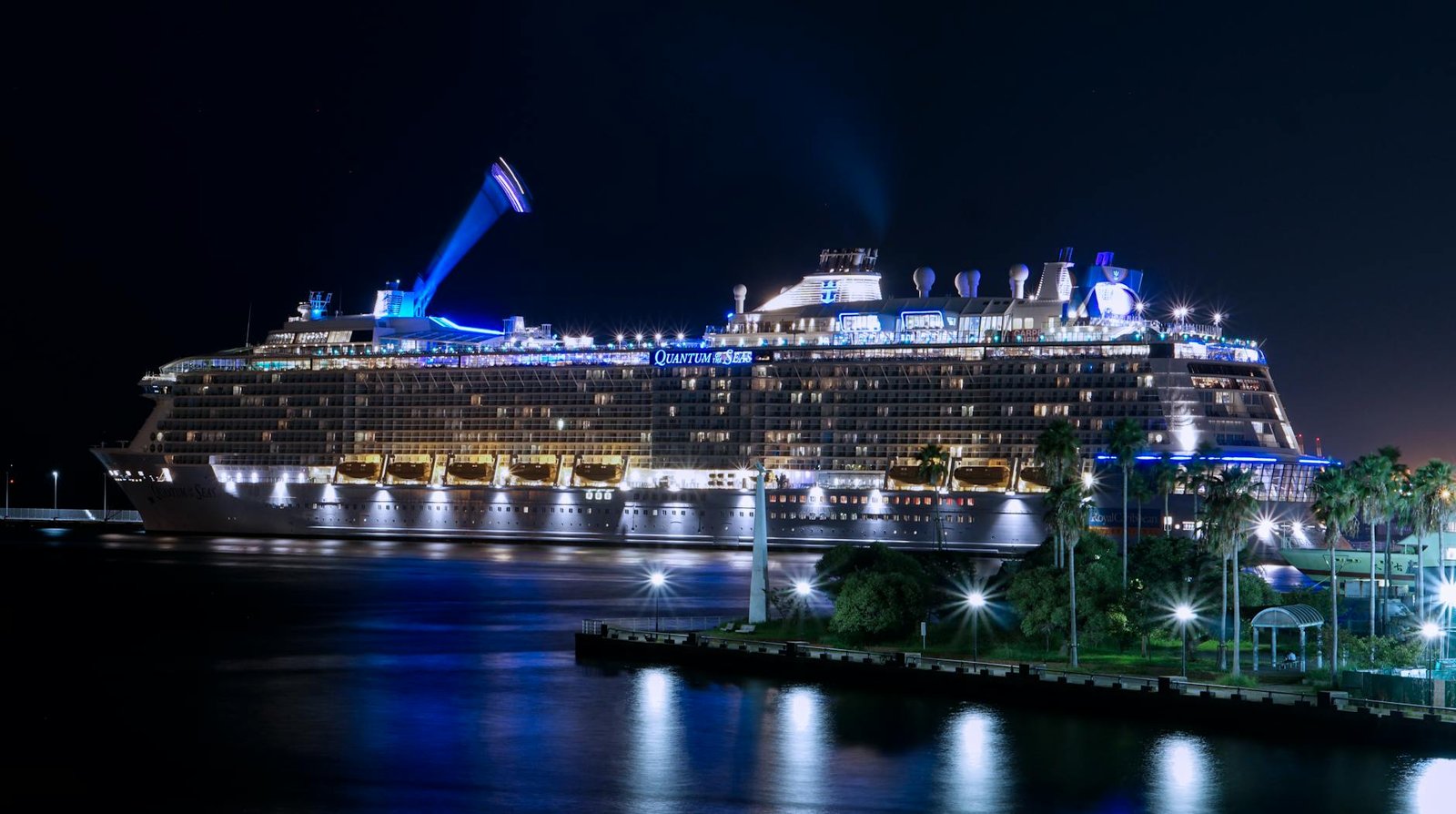
Tucked into the southeastern coast of Miyazaki Prefecture on Kyushu island, Aburatsu is the kind of Japanese port that larger ships sail straight past — and that’s exactly why it’s special. If your cruise itinerary has landed you here for a day, consider yourself lucky: this compact fishing town punches well above its weight in scenery, flavour, and authentic local character.
Arriving by Ship
Aburatsu Port is a working fishing harbour, which means your first impression involves the smell of salt and the sight of weathered boats rather than a glossy cruise terminal — and honestly, that’s refreshing. The port area is modest but well-organised, and most ships tender or dock along the main quay. You’ll find basic facilities near the pier, including information boards and usually a handful of taxi drivers waiting patiently. The town itself is small enough that you can walk to many attractions within ten or fifteen minutes of stepping ashore. Pick up a paper map from the port office if one’s on offer, because English signage becomes sparse once you venture beyond the immediate waterfront.
Things to Do

Start with Cape Toi (Toi-misaki), one of the most dramatic coastal landscapes in southern Japan. It’s about 30 kilometres south of the port, so factor in a taxi or rental car, but the journey is absolutely worth it. Wild horses have roamed the cape freely for over three centuries, and watching them graze against a backdrop of Pacific cliffs feels almost cinematic. The lighthouse at the tip offers views that stretch endlessly on a clear day.
Back closer to port, Aoshima Island is just north of Aburatsu and makes a superb half-day excursion. A five-minute walk across a shallow causeway brings you to this tiny subtropical island, famous for its “devil’s washboard” — extraordinary flat rock formations created by wave erosion that ripple out from the shore like something from a geology textbook. The island also holds a colourful Shinto shrine draped in foliage, and the surrounding subtropical vegetation feels almost jungle-like despite the island being barely a kilometre across.
If you prefer staying closer to the port, the Nichinan Coastline stretching north and south offers walking paths with views of Miyazaki’s rugged Pacific shore. The pace here is slow and unhurried, and locals are genuinely pleased to see visitors taking an interest in their corner of Japan.
Local Food
Miyazaki Prefecture has a fierce culinary identity, and Aburatsu is the place to taste it properly. Miyazaki beef is less internationally famous than Wagyu from Kobe or Matsusaka, but it regularly wins national competitions, and local restaurants serve it at far more reasonable prices than you’d pay in Tokyo or Osaka. Look for small teppanyaki spots near the town centre where the beef is cooked simply, letting the marbling speak for itself.
Fresh seafood is equally unmissable. The fishing boats you saw at the harbour this morning? Some of that catch ends up on your lunch plate by afternoon. Kinmedai (splendid alfonsino) and local prawns appear frequently on menus, often as sashimi or lightly grilled with sea salt. If you spot chicken nanban on a menu, order it without hesitation — this is Miyazaki’s beloved contribution to Japanese comfort food: fried chicken bathed in sweet vinegar sauce and topped with a generous dollop of tartar. It was invented in this prefecture and tastes significantly better here than anywhere else.
For a quick, cheap bite, convenience stores (7-Eleven and Lawson both have branches in the area) stock surprisingly good onigiri and hot snacks if you’re short on time or yen.
Shopping

Aburatsu isn’t a major shopping destination, but that’s part of its charm — you won’t find the same tourist trinkets repeated endlessly. Near the town centre, small shops sell Miyazaki mango products: the prefecture is Japan’s leading mango producer, and you’ll find mango jam, dried mango, and mango-flavoured sweets that make genuinely thoughtful gifts. Look also for hyuganatsu citrus products — this pale yellow citrus fruit is grown almost exclusively in Miyazaki and has a gently sweet, slightly floral flavour unlike anything else in Japan.
If you make it to Aoshima, the souvenir shops around the shrine sell local ceramics and small wooden items alongside the expected keyrings and fridge magnets. Keep your cash handy as card acceptance is inconsistent in smaller establishments.
Practical Tips
The most important thing to know: bring yen in cash. ATMs accepting international cards are limited — look for Japan Post offices, which tend to be reliable. Most restaurants and small shops operate on a cash-only basis.
Taxi drivers in Aburatsu are helpful but may not speak English, so it’s worth having your destination written in Japanese characters before you approach the rank. Google Translate’s camera function is your best friend here. If you’re planning Cape Toi, arrange your taxi in advance through the port or your ship’s shore excursions team, as the round trip takes most of the day. Finally, check the weather before planning your itinerary — Miyazaki Prefecture receives significant rainfall, and the coastal viewpoints lose much of their drama under heavy cloud.
Aburatsu rewards travellers who arrive without a rigid plan and simply let the day unfold. It’s a genuinely local Japanese experience — no crowds, no performance, just horses on clifftops and the freshest fish you’ll eat all voyage.
Leave a Reply