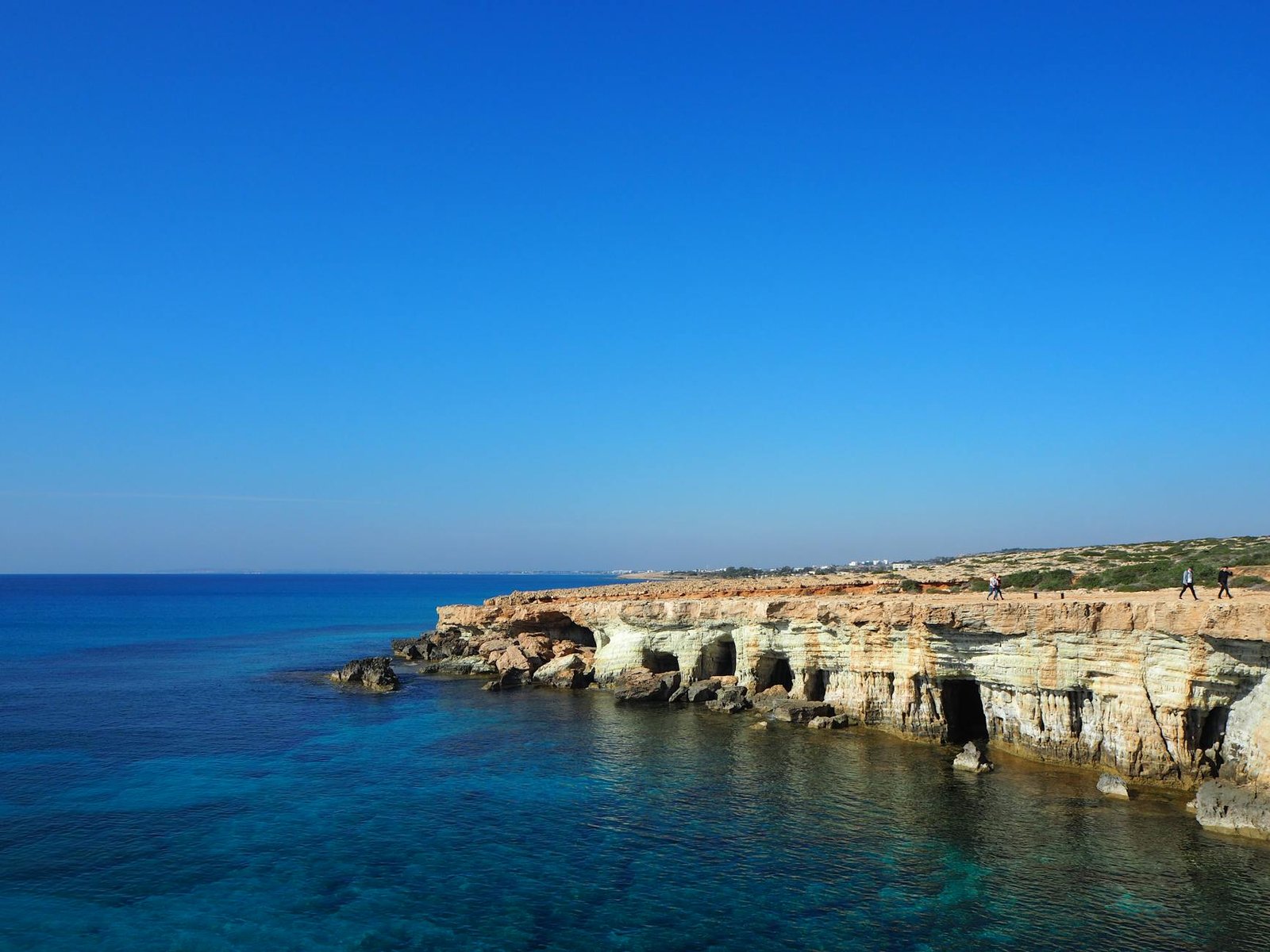
Ayia Napa has a reputation as a party town, but step ashore on a sunny morning and you’ll discover something far more layered — a place of striking sea caves, turquoise coves, and a genuinely charming old monastery tucked right in the town centre. Whether your ship gives you four hours or a full day, this corner of southeastern Cyprus rewards every minute of curiosity. Here’s how to spend your time wisely.
Arriving by Ship
Cruise ships calling at Ayia Napa typically dock at Limassol, Cyprus’s main port, which sits about 90 kilometres to the west. From there, port shuttles or taxis make the transfer in roughly 90 minutes. Some smaller vessels anchor directly off the Ayia Napa coast, tendering passengers into the small harbour near Nissi Beach. Either way, the town centre is walkable once you arrive — the monastery, main square, and seafront are all within easy strolling distance of each other. If your time is limited, prioritise the waterfront first; the views alone set the tone for everything that follows.
Things to Do

Ayia Napa’s biggest drawcard isn’t the clubs — it’s the coastline. The Cape Greco National Forest Park lies just a few kilometres east of town, where dramatic limestone cliffs plunge into water so blue it looks digitally enhanced. Sea caves, natural arches, and snorkelling spots line the shoreline. A guided tour combining Cape Greco with the famous Blue Lagoon is the most efficient way to see it all without a hire car. 🎟 Book: Cape Greco Blue Lagoon and Ayia Napa Tour If you’re after something more adventurous, a jeep safari through the rugged Ayia Napa hinterland throws in hidden coves and off-road tracks that buses simply can’t reach. 🎟 Book: Caves Jeep Safari from Protaras & Ayia Napa
Back in town, the Monastery of Ayia Napa is genuinely unmissable — a 16th-century Venetian structure built around a cave chapel, still beautifully preserved and free to enter. The Thalassa Municipal Museum of the Sea nearby is compact but fascinating, housing ancient shipwrecks and marine artefacts that tell Cyprus’s long relationship with the Mediterranean. If your ship gives you the luxury of a full day, consider heading to the ghost town of Famagusta, only 30 minutes north — an eerie, emotional experience where medieval streets and a crumbling seafront stand frozen in time since 1974. 🎟 Book: Famagusta and Salamis Excursion from Ayia Napa, Protaras, Larnaca
Local Food
Ayia Napa’s tourist-facing restaurants can be hit-or-miss, but dig past the laminated menus and you’ll find excellent Cypriot cooking. Start with halloumi — the local version, grilled and served warm, bears almost no resemblance to the rubbery stuff sold abroad. Kleftiko (slow-roasted lamb with herbs, traditionally cooked in a sealed clay oven) is the dish to order if you see it on a menu. Mezze lunches are the most sociable way to eat: a procession of small plates — hummus, tahini, loukanika sausage, grilled octopus, stuffed vine leaves — that arrive for an hour and leave you pleasantly defeated.
For a quick bite, souvlaki wraps from street-side kiosks near the harbour are cheap, fresh, and far better than they need to be. Wash it all down with Commandaria, Cyprus’s ancient amber dessert wine, or a cold bottle of local Keo beer.
Shopping

The main square and surrounding pedestrian lanes fill up with shops selling the usual seaside fare, but a few things are genuinely worth bringing home. Lefkaritika lace — handmade in the mountain village of Lefkara — is sold across Cyprus and makes a beautiful, lightweight souvenir. Locally produced olive oil and carob syrup (a Cypriot staple with a deep, molasses-like richness) travel well and taste nothing like supermarket alternatives. Ceramic pottery painted in traditional Cypriot motifs is everywhere; quality varies, so take your time and look for pieces that feel handcrafted rather than factory-finished.
Practical Tips
- Currency: Cyprus uses the euro. ATMs are easy to find near the main square.
- Taxi fares: Agree on a price before you get in, or insist on the meter — both options exist.
- Dress code: Shoulders and knees should be covered to enter the monastery; a scarf in your bag sorts this instantly.
- Heat: Summer temperatures regularly hit 35°C. Start your sightseeing early and retreat to a taverna between noon and 3pm.
- Water: Tap water is technically drinkable but locals prefer bottled — follow their lead.
Ayia Napa has spent years defined by its nightlife, but the version you’ll experience as a cruise visitor is something quieter and considerably more rewarding. A sparkling coastline, ancient stone, good food, and warm Cypriot hospitality — even a half-day here leaves a mark worth remembering long after the ship has sailed.
🎟️ Things to Book in Advance
These highly-rated experiences fill up fast — book before you arrive to avoid missing out.


This page contains affiliate links. If you book through them, we may earn a small commission at no extra cost to you.
📍 Getting to Ayia Napa Cyprus
Use the interactive map below to explore the port area and plan your route from the terminal.
Leave a Reply