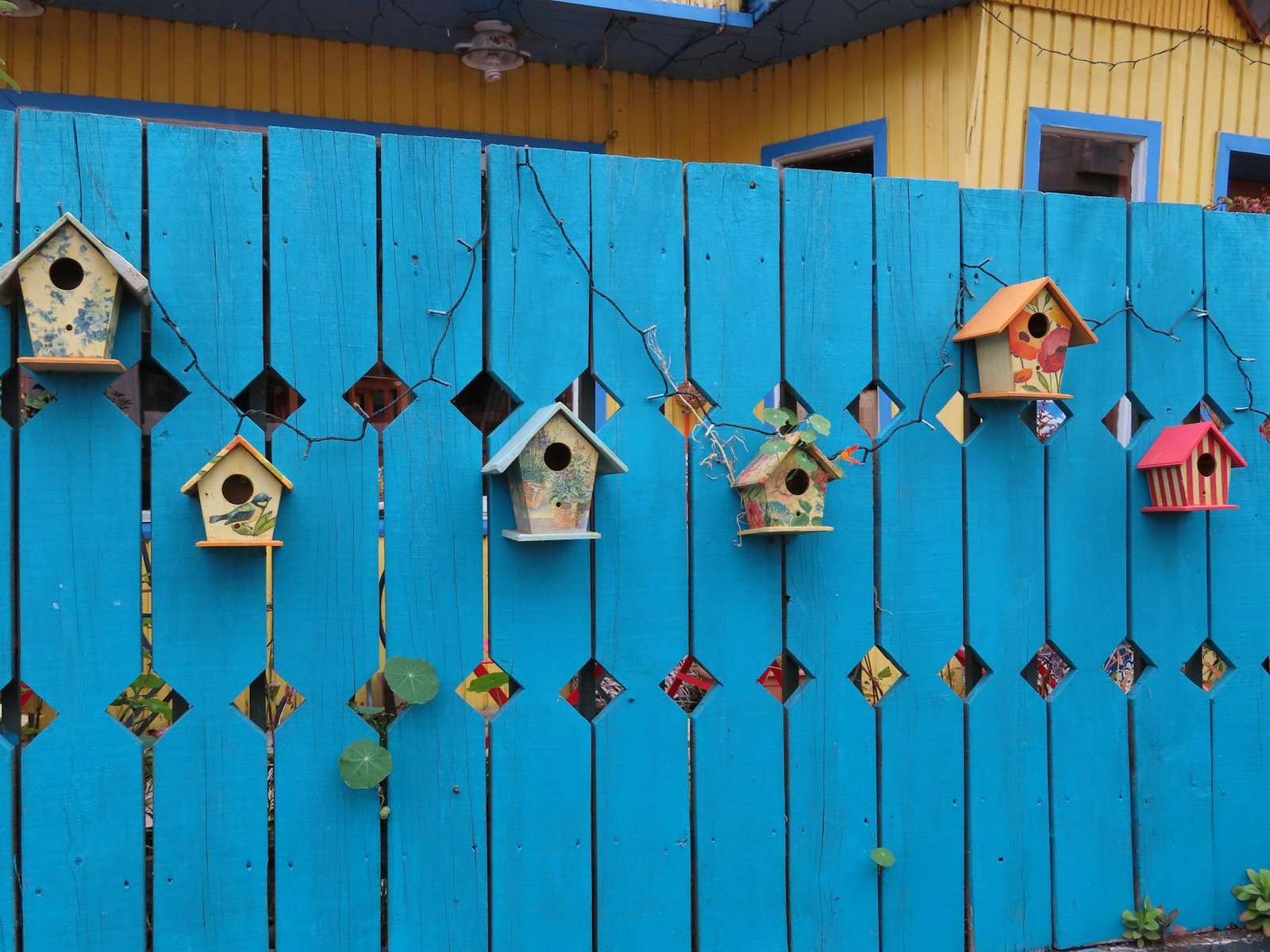
Castro is one of Patagonia’s most beguiling towns — a colourful, slightly eccentric port perched on a hillside above a fjord on Chiloé Island, where stilted wooden houses rise straight out of the water and the local culture feels worlds apart from mainland Chile. It’s a port that rewards curiosity, and even a single day here can feel genuinely transformative if you know where to look.
—
Arriving by Ship
Cruise ships anchor offshore in the Golfo de Corcovado and tender passengers into Castro’s small port area. The process is generally smooth, and once you step onto the dock you’ll find yourself just a short walk from the town centre. The pier sits close to the main plaza, so orientation comes naturally — you can see the iconic painted church from almost anywhere in the lower town.
Bear in mind that Castro is a working port town, not a purpose-built tourist hub. That’s part of its charm, but it means facilities are modest and English isn’t widely spoken. Arrive prepared, and you’ll feel right at home.
—
Things to Do

Castro’s undisputed icons are its palafitos — brightly painted wooden houses built on stilts over the water, most easily admired from the northern and southern edges of town or from a boat in the harbour. They’re unlike anything else in South America, and simply walking along the waterfront to photograph them is a deeply satisfying way to begin your day. 🎟 Book: Palafitos of Castro: A Self-guided Audio Tour of Chiloe Island
For something more structured, a guided sightseeing tour takes in the palafitos, the striking Iglesia San Francisco (a UNESCO-listed wooden church painted in vivid yellow and lilac), the local market, and scenic viewpoints across the fjord. 🎟 Book: Castro Sightseeing Tour in Chiloe
If time allows, the nearby fishing village of Dalcahue is worth the short trip. Known for its handcrafted woollen goods and artisan market, it’s the kind of place you’ll want to linger in. A combined full-day tour covering both Castro and Dalcahue is an excellent way to see more of the island without the logistical headache of navigating independently. 🎟 Book: Full Day Castro & Dalcahue Chiloe Island
Chiloé Island is also famous for its network of wooden churches, many of which are UNESCO-listed. The one on Castro’s main plaza is the most accessible, but the coastal villages tour reveals several more in atmospheric rural settings.
—
Local Food
Chiloé has a food culture entirely its own, built around the sea, the forest, and centuries of indigenous Huilliche tradition. Don’t leave without trying curanto, the island’s signature dish — a layered feast of shellfish, smoked pork, chicken, potato dumplings, and vegetables slow-cooked over hot stones in an earthen pit. Many restaurants in Castro serve a simplified stovetop version called pulmay, which is equally good.
The local mercado municipal (municipal market) is the best place to eat like a local. Stalls here serve freshly caught seafood at remarkably low prices — salmon, congrio (conger eel), and mussels are all staples. Wash it down with a mug of mote con huesillos, a traditional Chilean drink made from dried peaches and husked wheat, sweet and surprisingly refreshing.
—
Shopping

Chiloé is a craftsperson’s island, and Castro is the best place to buy traditional handmade goods. Knitwear is the star purchase — thick, naturally dyed woollen jumpers, ponchos, and blankets made using techniques passed down for generations. The quality is exceptional, and prices are far lower than you’d pay for comparable work elsewhere.
The Feria Artesanal near the waterfront is a reliable spot to browse, with vendors selling woollen goods, hand-carved wooden items, and local honey. Pottery featuring Chiloé’s mythological creatures — sea monsters and forest spirits drawn from indigenous folklore — makes for an unusual and lightweight souvenir.
—
Practical Tips
- Currency: Chilean pesos are the only practical option in Castro. ATMs exist in town but can run low on busy port days, so bring cash from the ship if you can.
- Weather: Chiloé is famously wet. Pack a waterproof layer regardless of the season — a light rain jacket takes up minimal bag space and could save your day.
- Language: Spanish is essential. Download an offline translation app before you go.
- Getting around: The town centre is compact and very walkable. For outlying areas, book a tour or hire a local taxi — the drivers know the island well.
- Transfers: If you’re flying in or out of Castro separately from your cruise, private transfer services are available and worth booking in advance for peace of mind. 🎟 Book: Castro Airport Private Transfer in Chiloe
—
Cruises That Visit Castro, Chile
Castro features on Patagonia and Chilean fjords itineraries, which have grown significantly in popularity over the past decade. Holland America Line is one of the most consistent operators in this region, with its Zaandam and Oosterdam vessels sailing round-trip from Buenos Aires or Santiago (San Antonio) on voyages ranging from 14 to 21 days. These sailings typically combine Castro with Puerto Montt, the Chilean fjords, Punta Arenas, Ushuaia, and sometimes the Falkland Islands.
Silversea Cruises and Seabourn also include Castro on their luxury expedition-style itineraries through South America, appealing to travellers who want a more intimate, small-ship experience alongside expert naturalist guides.
Celebrity Cruises and Princess Cruises run broader South America voyages — often 14 to 18 nights — departing from Buenos Aires or Fort Lauderdale that thread through the Chilean fjords and include Castro as a highlight stop.
The best time to visit is November through March, which corresponds to the Southern Hemisphere summer. Days are longer, weather is marginally drier, and the landscape is at its most vivid green. December and January are peak season, so expect fuller ships and busier ports — but also the most reliable conditions for tendering.
🚢 Cruises That Stop at Castro Chile
Ready to book a cruise to Castro Chile?
Compare itineraries, prices, and cabin types from all the major cruise lines — with a best price guarantee and no booking fees.
🔍 Search Cruises to Castro Chile →
Affiliate link — we may earn a commission if you book, at no extra cost to you.
—
Castro is the kind of port that stays with you long after the ship has sailed. Its stilt houses, wooden churches, and deeply particular island culture make it one of the most memorable stops on any South American cruise itinerary — proof that the most rewarding destinations are often the ones that feel furthest from the beaten track.
🎟️ Things to Book in Advance
These highly-rated experiences fill up fast — book before you arrive to avoid missing out.


This page contains affiliate links. If you book through them, we may earn a small commission at no extra cost to you.
📍 Getting to Castro Chile
Use the interactive map below to explore the port area and plan your route from the terminal.
Leave a Reply