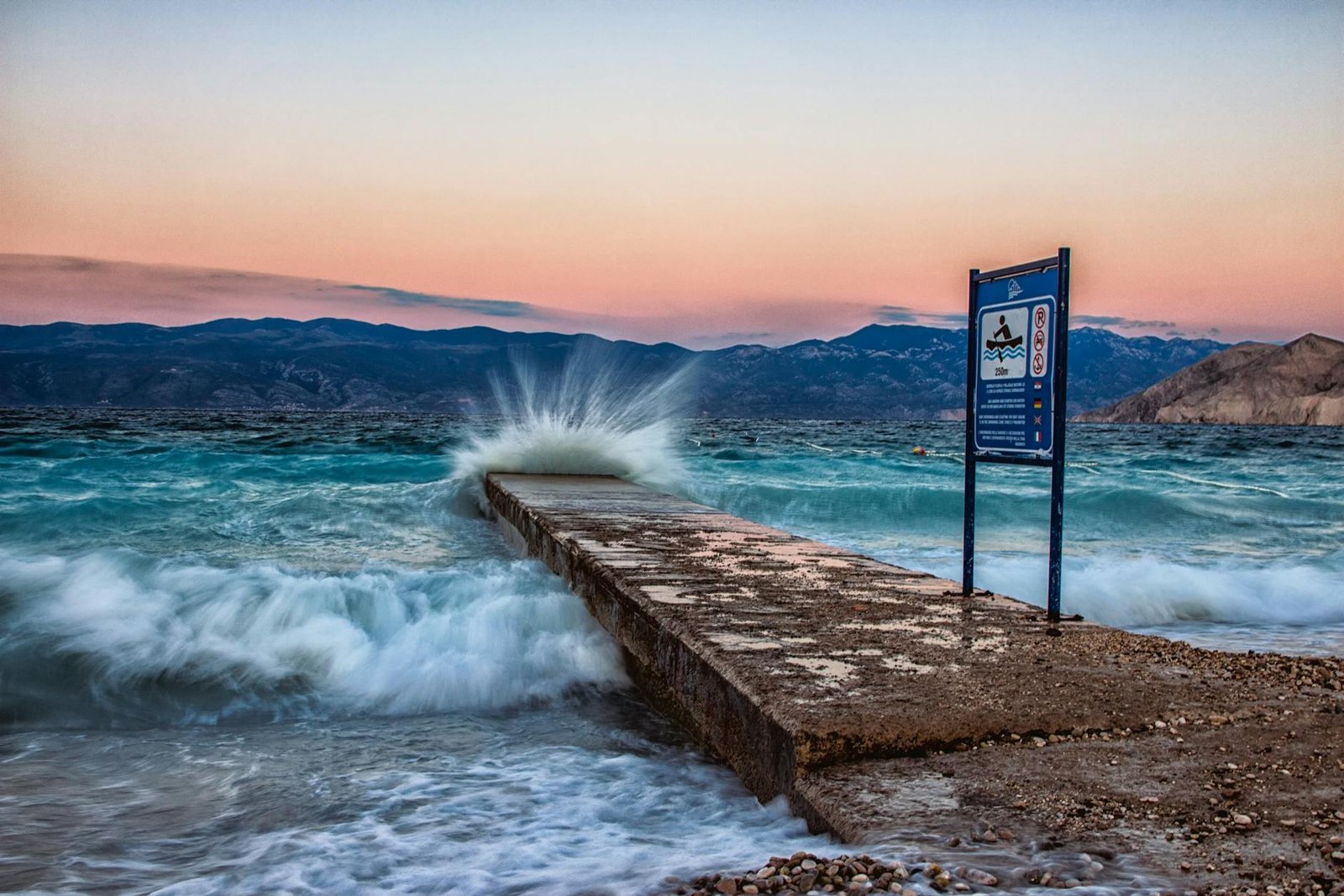
Krk (pronounced “Kirk”) is one of the Adriatic’s best-kept secrets, a sun-drenched Croatian island where medieval stone walls meet crystal-clear turquoise water. Connected to the mainland by a bridge, it’s one of the most accessible islands in the Kvarner Gulf — and one of the most rewarding for cruise visitors. Whether you have a few hours or a full day ashore, Krk delivers an authentic slice of Dalmatian life without the elbow-to-elbow crowds of Dubrovnik or Split.
Arriving by Ship
Cruise ships calling at Krk typically tender or dock at Krk Town, the island’s charming capital on the southwestern coast. The port itself is compact and easy to navigate — you’ll be steps from the old town walls within minutes of stepping ashore. Taxis and local buses are available if you want to explore further afield, and rental cars or scooters can be arranged quickly near the waterfront. The island is surprisingly well-connected, so even a short port call gives you room to explore beyond the immediate harbour.
Things to Do

Krk Town is built for wandering. Start inside the old town walls, where narrow marble lanes wind past a 12th-century Romanesque cathedral, a Frankopan castle, and sun-faded piazzas where locals still outnumber tourists. Climb the remnants of the ancient Roman walls for a sweeping view of the harbour — it takes about ten minutes and the payoff is spectacular.
For something more active, the island hides some genuinely thrilling experiences. The Krk zipline is a heart-pumping adventure that sends you soaring over pine forests and rocky hillsides — a fantastic way to see the island from above. 🎟 Book: Zipline Experience Krk If you’re drawn to the water, wakeboarding and waterskiing on Krk’s sheltered bays offer an adrenaline rush with a gorgeous backdrop. 🎟 Book: Half-Day Wakeboard or Waterski in Krk Croatia
Nature lovers should make time for the island’s quieter interior. A visit to an immortelle farm — where the famous “everlasting flower” is cultivated — offers a surprisingly moving one-hour immersion into Krk’s aromatic heritage and traditional island life. 🎟 Book: Immortelle farm island Krk The island is also studded with hiking and cycling trails that cut through lavender fields, olive groves, and wind-sculpted karst landscape.
Local Food
Krk has a fiercely proud culinary identity. The island’s most iconic ingredient is šurlice, a hand-rolled pasta with a twisted shape unique to Krk, typically served with lamb ragù or a rich goulash. You’ll find it in nearly every konoba (traditional tavern) in the old town — don’t leave without trying it.
Seafood is, naturally, exceptional. Grilled sea bass, octopus salad dressed with local olive oil, and briny mussels from the nearby bay are all staples of the island table. Wash everything down with Žlahtina, Krk’s indigenous white wine — light, dry, and faintly mineral, it’s produced almost nowhere else in the world. For a deeper dive into the island’s wine culture, a guided winery tour with a sommelier is an excellent use of an afternoon. 🎟 Book: Winery Tour and Tasting with the Sommelier in KRK
Shopping

Krk Town’s shopping scene is modest but genuine. Skip the mass-produced souvenir shops and head instead for local artisan producers. Look for small-batch immortelle cosmetics and essential oils — the island’s immortelle products have earned a devoted following, and a bottle of face oil or cream makes a beautiful and distinctive gift. Local olive oil, Žlahtina wine, and hand-crafted jewellery inspired by traditional Glagolitic script (an ancient Croatian alphabet that flourished on Krk) are also worth seeking out.
The waterfront promenade has a handful of well-stocked delis where you can pick up vacuum-packed šurlice pasta to recreate the island’s signature dish at home.
Practical Tips
- Currency: Croatia uses the Euro (€). Card payments are widely accepted in the town centre, but carry some cash for smaller tavernas and market stalls.
- Getting around: The old town is entirely walkable, but a scooter rental (around €30–40 for half a day) opens up the rest of the island beautifully.
- Best beaches: Vela Plaža near the harbour is convenient, but Baska on the island’s southern tip is worth the 30-minute drive if time permits — a sweeping pebble bay framed by white karst cliffs.
- Time your visit: Mornings are cooler and quieter; by midday in summer the old town gets busy, so prioritise the cathedral and castle early.
- Sun protection: The Kvarner bura wind can fool you into underestimating the sun’s intensity. Pack SPF.
Krk rewards travellers who arrive curious and leave nothing on the table — which, given the quality of the konoba cooking, would be a genuine shame. With its layered history, wild natural beauty, and unhurried local rhythm, this golden island has a way of turning a brief port stop into one of the highlights of an entire Adriatic voyage.
🎟️ Things to Book in Advance
These highly-rated experiences fill up fast — book before you arrive to avoid missing out.


This page contains affiliate links. If you book through them, we may earn a small commission at no extra cost to you.
📍 Getting to Krk Croatia
Use the interactive map below to explore the port area and plan your route from the terminal.
Leave a Reply