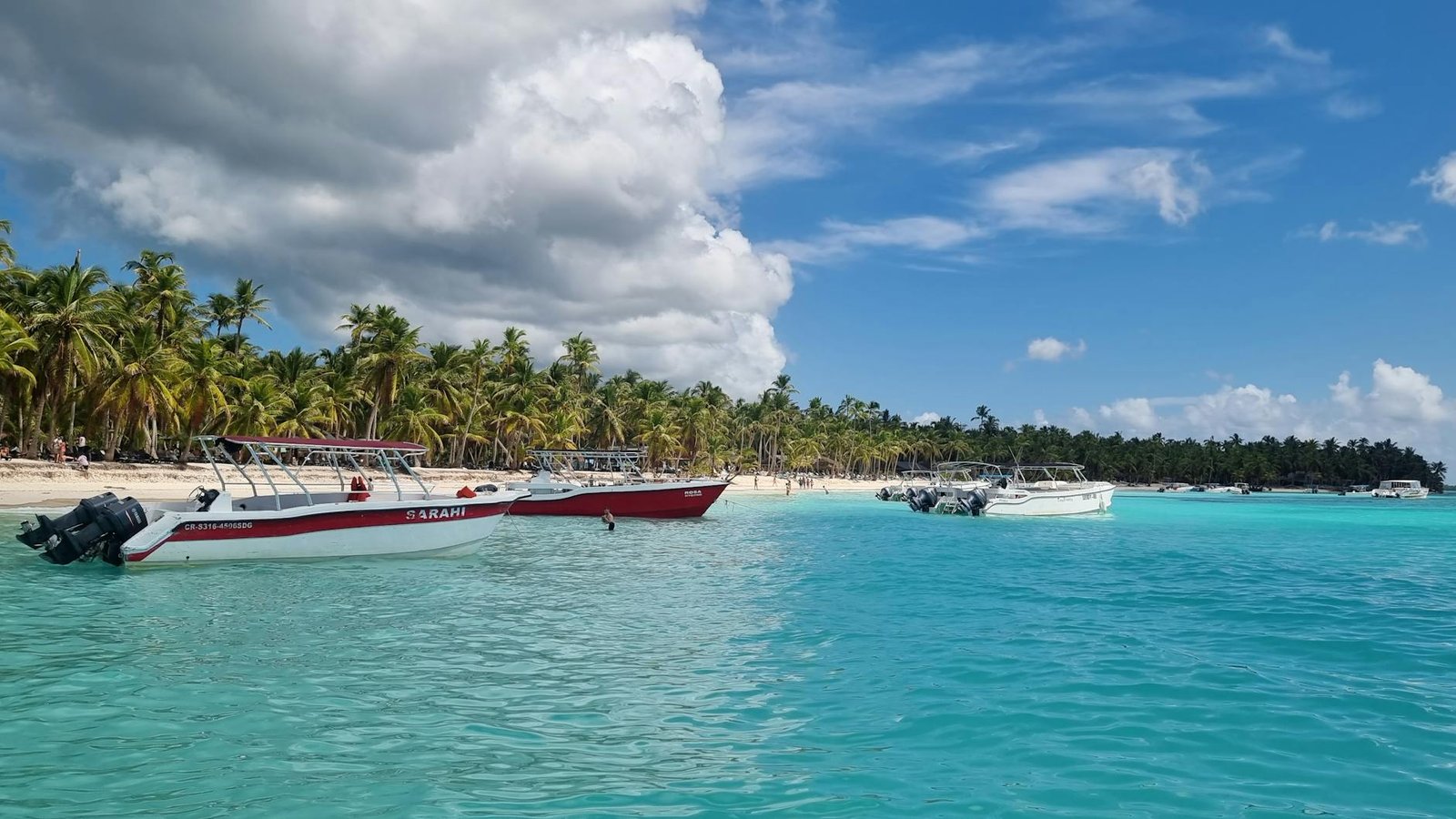
La Romana is one of the Caribbean’s most underrated cruise stops — a sun-drenched corner of the Dominican Republic where sugar cane fields meet turquoise coastline and genuine local life hums just beyond the resort gates. Unlike the more tourist-saturated ports of the region, La Romana rewards curious travellers with authentic flavour, dramatic scenery, and a pace that feels refreshingly unhurried. Whether you have a full day or just a few hours, this port delivers far more than you might expect.
Arriving by Ship
Cruise ships dock at the Casa de Campo Marina, a strikingly pretty harbour surrounded by boutique shops, open-air restaurants, and bobbing sailboats. The marina itself is part of the sprawling Casa de Campo resort complex, which means facilities are polished and well-organised — a smooth start to your day. Immigration and customs are straightforward for cruise passengers, and taxis are readily available just outside the terminal. If you’ve pre-arranged accommodation or a day tour, a private transfer is the most hassle-free option to get you where you’re going quickly. 🎟 Book: Private Transfer from La Romana Cruise Port to La Romana Hotels The marina is also walkable to Altos de Chavón, one of the region’s most remarkable attractions, sitting just a short drive or taxi ride uphill.
Things to Do

The headline attraction near La Romana is Altos de Chavón, a painstakingly reconstructed 16th-century Mediterranean village perched dramatically above the Chavón River. It sounds kitsch on paper, but standing on the stone terrace watching the river snake through jungle below is genuinely breathtaking. Inside, you’ll find art galleries, craft workshops, and a 5,000-seat Greek-style amphitheatre that has hosted Frank Sinatra, Gloria Estefan, and Elton John. Entry is included when visiting the Casa de Campo area.
If you’re craving something wilder, the surrounding countryside offers excellent safari-style excursions. The Bayahibe Countryside Safari takes you through sugar cane plantations, rural villages, and the stunning coastal scenery around Bayahibe — a full-day immersion into the Dominican landscape that feels miles from any tourist trail. 🎟 Book: Bayahibe Countryside Safari from La Romana For something more unusual, the Monkeyland and Plantation Safari lets you wander freely among squirrel monkeys in a tropical sanctuary before exploring a working plantation. 🎟 Book: Monkeyland and Plantation Safari from La Romana Both tours are ideal if you want your port day to feel like a proper adventure rather than a checklist.
The nearby beach at Bayahibe is also worth the journey — a calm, sheltered bay with soft sand and clear water, popular with locals and far less crowded than the Punta Cana strip.
Local Food
La Romana’s food scene offers a genuine taste of Dominican cooking if you know where to look. Step beyond the marina’s more international offerings and seek out La Romana’s central market area or local comedores (small, family-run lunch spots) for the real deal. Order sancocho, a hearty meat and root vegetable stew that’s essentially the Dominican national dish, or mangú — mashed plantains topped with sautéed onions, often eaten at any hour of the day. Fresh seafood is excellent here: grilled snapper with rice and beans (moro de guandules) is a staple worth seeking out. For something sweet, grab a majarete — a creamy coconut corn pudding served in street stalls — or sip on freshly pressed sugar cane juice, which you’ll find vendors selling throughout the town.
Shopping

The marina itself has a cluster of upscale boutiques selling jewellery, cigars, and resort wear — great for a browse, though prices reflect the upscale surroundings. For more character and better value, the craft market near Altos de Chavón is the place to hunt for handmade ceramics, larimar jewellery (the pale blue stone mined only in the Dominican Republic), amber pieces, and woven goods. Dominican cigars are among the finest in the world — look for locally rolled brands rather than the big-name imports for something genuinely special to take home. Rum is another excellent purchase; Brugal and Barceló are both produced on the island and widely available at duty-free prices.
Practical Tips
- The Dominican peso (DOP) is the local currency, but US dollars are widely accepted at tourist sites and in the marina.
- Taxis don’t always use meters — agree on a price before you get in.
- The heat in summer is intense; sunscreen, a hat, and a reusable water bottle are non-negotiables.
- Spanish is the language, and while English is spoken in tourist areas, a few basic phrases go a long way and are always appreciated.
- Most tours depart by 9am to beat the midday heat, so plan early.
La Romana may not be on every cruiser’s radar, but that’s precisely its appeal. One day here leaves you with the distinct feeling that you’ve actually seen somewhere — not just ticked a port off a list.
🎟️ Things to Book in Advance
These highly-rated experiences fill up fast — book before you arrive to avoid missing out.


This page contains affiliate links. If you book through them, we may earn a small commission at no extra cost to you.
📍 Getting to La Romana Dominican Republic
Use the interactive map below to explore the port area and plan your route from the terminal.
Leave a Reply