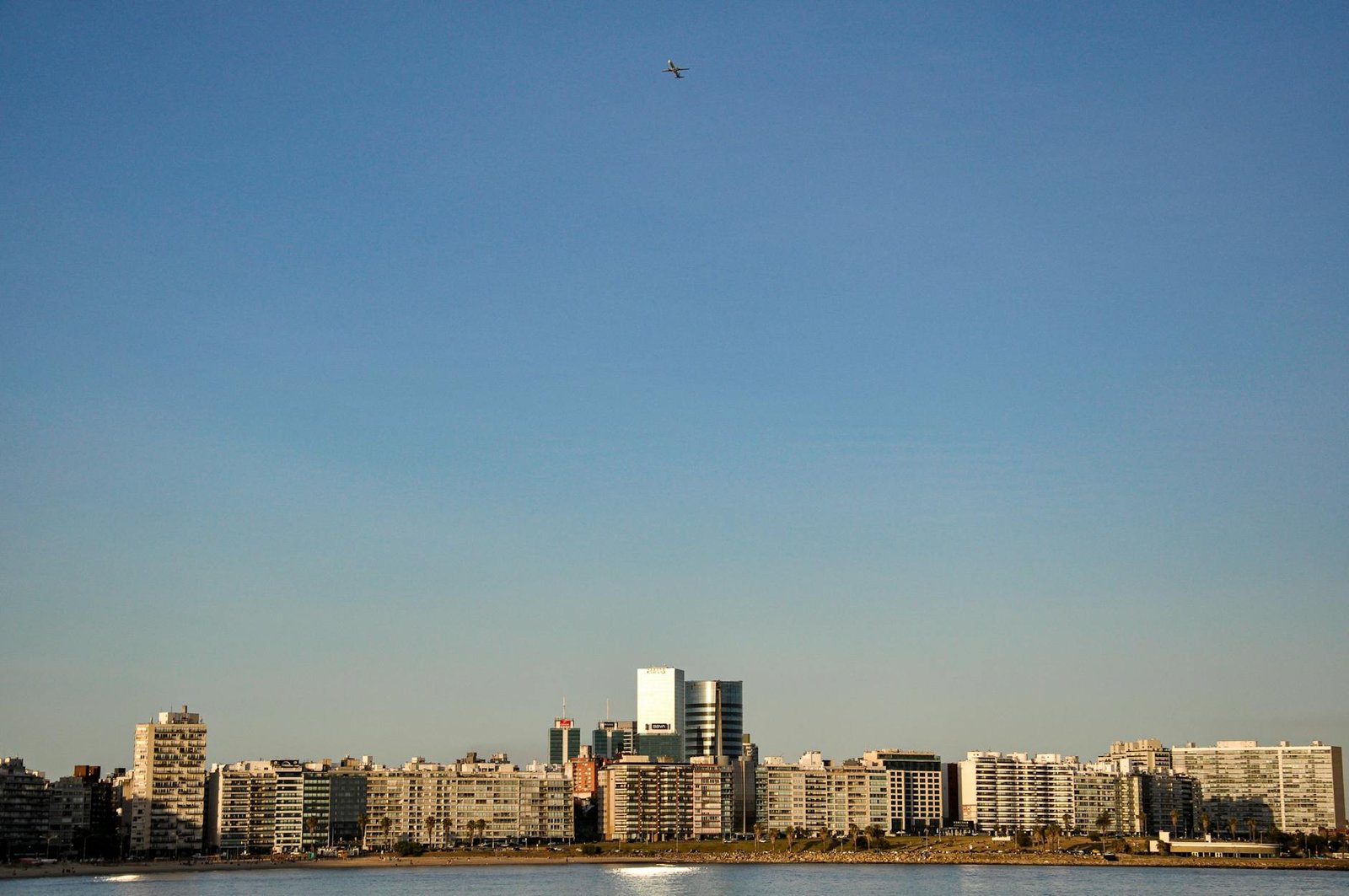
Montevideo doesn’t shout for your attention the way other South American cities do — it earns it quietly, through tree-lined boulevards, crumbling Art Deco facades, and a waterfront that invites you to slow down. As a cruise port, it’s often underestimated, treated as a stopover rather than a destination in its own right. Get that idea out of your head immediately, because a day here can genuinely be one of the highlights of your entire voyage.
Arriving by Ship
Your ship docks at the Port of Montevideo, which sits right at the edge of the Ciudad Vieja (Old City) — one of the most convenient arrivals you’ll experience on any South American itinerary. The terminal is modern and well-organised, with tourist information, currency exchange, and taxis readily available just outside. You can walk directly into the historic centre in under ten minutes, which means you’re not burning precious port time on transfers. Immigration for cruise passengers is typically smooth and fast, and the port staff are used to handling large ships. If you’re visiting between November and March, expect warm summer weather; the rest of the year brings mild temperatures that are ideal for walking.
Things to Do

The Ciudad Vieja is your natural starting point. Wander through Plaza Independencia, the grand central square dominated by a brooding statue of General Artigas, then duck into the Palacio Salvo — once the tallest building in South America and still architecturally jaw-dropping. The Mercado del Puerto, a 19th-century iron market hall, is both a landmark and a lunch destination (more on that shortly). For a broader sweep of the city without the legwork, the hop-on hop-off tourist bus is a practical way to orientate yourself and catch the highlights at your own pace. 🎟 Book: Tourist Bus Discover Montevideo If you’d rather go deeper with a local expert, a guided morning tour hitting six key neighbourhoods gives you real context behind the colonial streetscapes and murals you’d otherwise just photograph without understanding. 🎟 Book: Montevideo Complete with Guide 6 Stops (AM) Feeling more adventurous? An electric bicycle tour lets you glide along the Rambla — the 22-kilometre coastal promenade — and through the Pocitos neighbourhood, where locals actually live, without arriving anywhere out of breath. 🎟 Book: Montevideo Electric Bicycle Tour
If your ship offers a longer stay or you have a full day, the excursion to Colonia del Sacramento is genuinely unmissable — a UNESCO-listed Portuguese colonial town just 45 minutes away by road. And if you’re after something altogether more glamorous, the day trip to Punta del Este puts you on one of South America’s most famous beach resorts, complete with boutiques, yacht harbours, and the iconic giant hand sculpture emerging from the sand.
Local Food
Uruguayans take their beef extremely seriously, and you should too. The Mercado del Puerto is ground zero for this experience: step inside and you’ll find competing parrilla (grill) restaurants, smoky and loud, where enormous cuts of asado are cooked over open wood fires right in front of you. Order a chivito if you want something more portable — Uruguay’s answer to a steak sandwich, loaded with ham, cheese, egg, and olives, it’s calorically terrifying and absolutely wonderful. Don’t leave without trying a medio y medio, a local blend of sparkling and still white wine that sounds odd and tastes surprisingly refreshing. For something lighter, the local street empanadas make a perfect mid-afternoon snack as you wander. Finish with a dulce de leche-filled pastry from any bakery you pass — in Uruguay, this caramel spread appears in everything, and resisting it is futile.
Shopping

Montevideo isn’t a major shopping destination, but that’s part of its charm — what you find here feels authentic rather than manufactured for tourists. The Feria de Tristán Narvaja, held on Sundays in the Cordón neighbourhood, is a sprawling street market where you can hunt for antiques, vintage leather goods, books, and handmade crafts. If your ship is in on a weekday, the Mercado de los Artesanos near Plaza Cagancha stocks quality handmade items including leather wallets, woollen goods, and mate gourds — the traditional vessel for Uruguay’s beloved herbal tea. A quality mate set makes one of the most distinctive and genuinely used souvenirs you can bring home. Leather goods throughout the city tend to be excellent quality at prices that will make you wish you’d packed a lighter suitcase.
Practical Tips
The Uruguayan peso is the local currency, but US dollars are widely accepted in tourist areas and you’ll rarely be stuck. ATMs are plentiful near the port and in the Ciudad Vieja. Uber operates in Montevideo and is reliable and inexpensive — often better value than negotiating with taxis. Spanish is the official language, but you’ll find enough English spoken in tourist areas to get by. The city is considered one of the safest in South America, though standard urban awareness still applies, particularly around your phone and valuables in crowded markets. If a larger group is travelling together from the ship, a dedicated cruise passenger tour is a cost-effective way to see the highlights with transport included. 🎟 Book: Shared Montevideo Tour for Cruisers
Montevideo rewards curiosity. It has no single must-see spectacle demanding your attention — instead, it offers something rarer: a city that feels genuinely lived-in, proud of its culture, and entirely happy for you to take your time discovering it.
🎟️ Things to Book in Advance
These highly-rated experiences fill up fast — book before you arrive to avoid missing out.


This page contains affiliate links. If you book through them, we may earn a small commission at no extra cost to you.
Leave a Reply