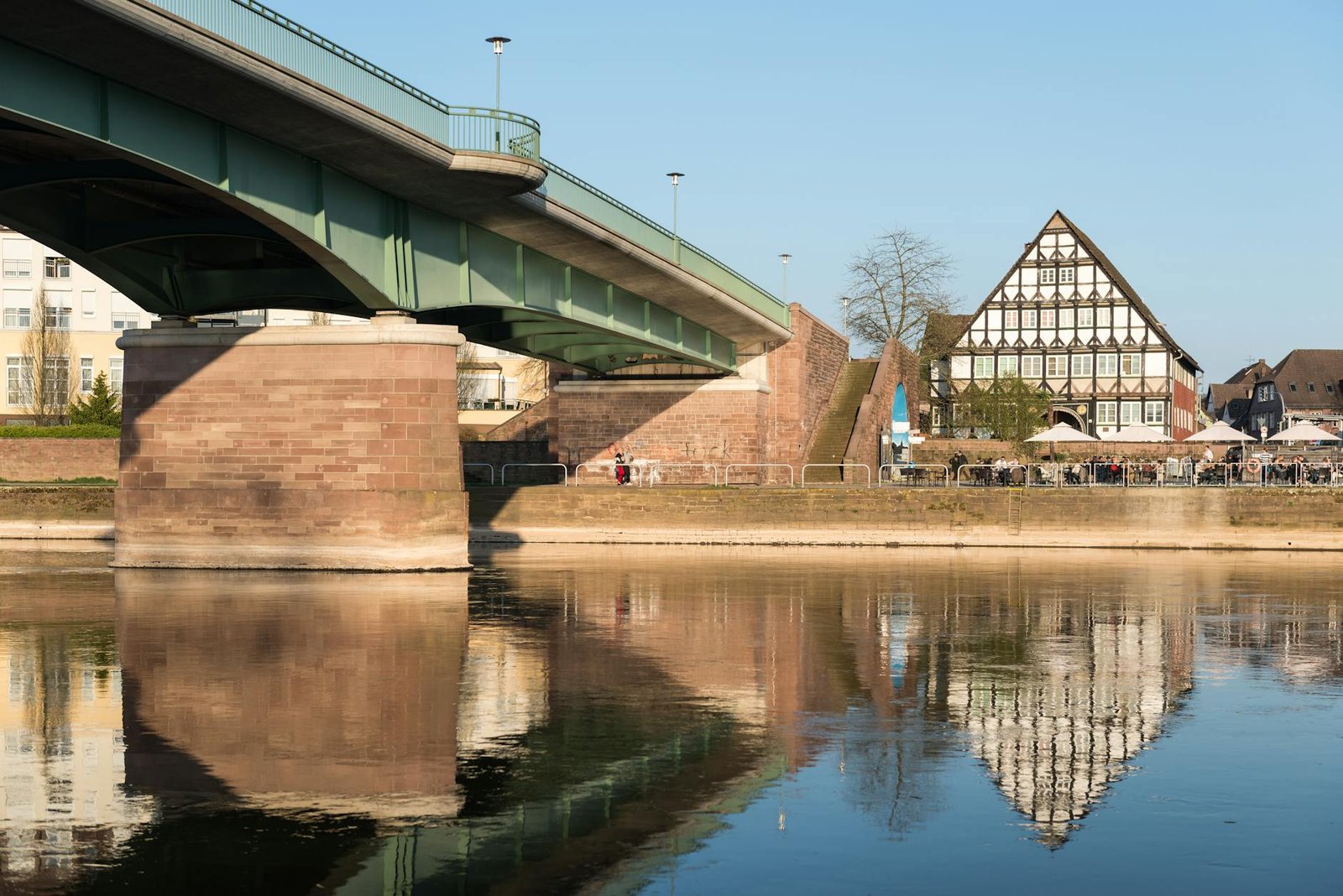
Most cruise passengers have never heard of Nienburg-Weser — and that’s exactly what makes it worth your time. This compact river town punches well above its weight, delivering genuine German history, timber-framed streets, and a relaxed pace that feels worlds away from the tourist trail. Come prepared to explore on foot and you’ll leave wondering why more people aren’t talking about this place.
Arriving by Ship
River cruise ships dock directly along the Weser riverbank, placing you just minutes from the old town centre — no tenders, no buses, no fuss. The mooring area is well-maintained, and the transition from gangway to cobblestone takes roughly five minutes on foot.
The port itself is modest but functional, with no large terminal building to navigate. Staff from local tourism offices sometimes meet arriving passengers dockside, offering maps and orientation that’ll save you time.
Things to Do

Nienburg rewards slow exploration — the kind where you duck into an alleyway and stumble across a 400-year-old pharmacy. Spend your hours between the medieval core, the river promenade, and a handful of genuinely interesting museums.
History & Culture
- Nienburg Museum (Museum Nienburg) houses a remarkable collection of local archaeology and medieval artefacts, including Bronze Age finds from the Weser region; entry costs around €4, open Tuesday–Sunday from 10am.
- St. Martin’s Church (St.-Martins-Kirche) dates to the 13th century and contains beautifully preserved Gothic stonework — step inside even if you’re not religiously inclined; entry is free.
- The Old Town’s Fachwerk (half-timbered) houses along Leinstraße and Marktstraße are postcard-perfect, with some buildings dating to the 16th century; just walk and look up.
- Nienburg Castle ruins (Schlossplatz area) offer a quiet green space and visible remnants of the town’s medieval fortifications — ideal for a 20-minute detour.
Outdoors & the Weser
- Weser Promenade walk runs for several kilometres along the riverbank with flat, easy paths and views back toward your docked ship — free, accessible any time.
- Weser cycle routes are well-signposted from town; rental bikes are available near the town centre for approximately €12–15 per day, perfect if you want to explore surrounding villages.
- Nienburg’s market square (Marktplatz) hosts a weekly market (typically Thursdays and Saturdays) where local farmers sell fresh produce, honey, and seasonal goods from around 7am.
Families
- Spielplatz am Weserufer is a free riverside playground directly accessible from the promenade — a handy stop if you’re travelling with younger children.
- Guided town walks depart from the tourist office on Leinstraße (book ahead via the town’s tourism website); tours run approximately 90 minutes and cost around €6 per person.
What to Eat
Nienburg’s food scene is honest, hearty, and anchored in Lower Saxon tradition — don’t expect Michelin stars, but do expect generous portions and excellent value. The cafés and restaurants clustered around Marktplatz are your safest bet for a quick, satisfying meal ashore.
- Grünkohl mit Pinkel (kale with smoked sausage) is the region’s signature winter dish; try it at Gaststätte Zum Ratskeller near the market square for around €12–15 — available October through February.
- Labskaus (a sailor’s hash of corned beef, beetroot, and potato topped with a fried egg) appears on most traditional menus; expect to pay €10–13 at riverside restaurants.
- Freshwater fish from the Weser, particularly pike-perch (Zander), is a local speciality — ask at any sit-down restaurant whether they’re serving seasonal Zander, usually priced €14–18.
- Bäckerfrühstück (baker’s breakfast) at one of Nienburg’s family bakeries means fresh rolls, cold cuts, and coffee for under €7 — ideal if you disembark early.
- Local craft beer from regional Lower Saxon microbreweries is typically available on tap at most pubs; a half-litre costs around €3.50–4.50.
- Pflaumenkuchen (plum cake) baked fresh daily appears in every café window in summer and early autumn — grab a slice for €2–3 and eat it by the river.
Shopping

Nienburg’s shopping is pleasingly low-key — no souvenir factories, no overpriced Christmas markets. The pedestrianised streets around Marktstraße hold independent boutiques, artisan bakers, and small gift shops selling locally made ceramics and Weser-themed goods.
Look for Lower Saxon honey, regional schnapps, and handmade preserves as genuinely useful souvenirs you can pack without stress. Skip the generic Germany-branded items and head instead to the weekly market for something that actually came from this corner of the country.
Practical Tips
- Currency is euros (€) — carry some cash as smaller shops and market stalls rarely accept cards.
- Tipping is customary at around 5–10% in restaurants; rounding up the bill is perfectly acceptable.
- The town centre is entirely walkable from the dock, so you won’t need taxis or public transport unless venturing further afield.
- German shops observe strict hours — many close between 1–2pm on weekdays and shut entirely on Sundays.
- Dress comfortably for cobblestones; flat shoes are strongly recommended for the old town streets.
- Four to five hours ashore is enough to cover the key sights, eat well, and browse the market without rushing.
- Check your ship’s departure time carefully — riverside docking makes reboarding simple, but the town clock is your best friend.
Nienburg-Weser won’t steal the headlines from Amsterdam or Cologne, but it might just steal your heart — one half-timbered alleyway at a time.
📍 Getting to Nienburg-Weser, Germany Lower Saxony
Use the interactive map below to explore the port area and plan your route from the terminal.
Leave a Reply