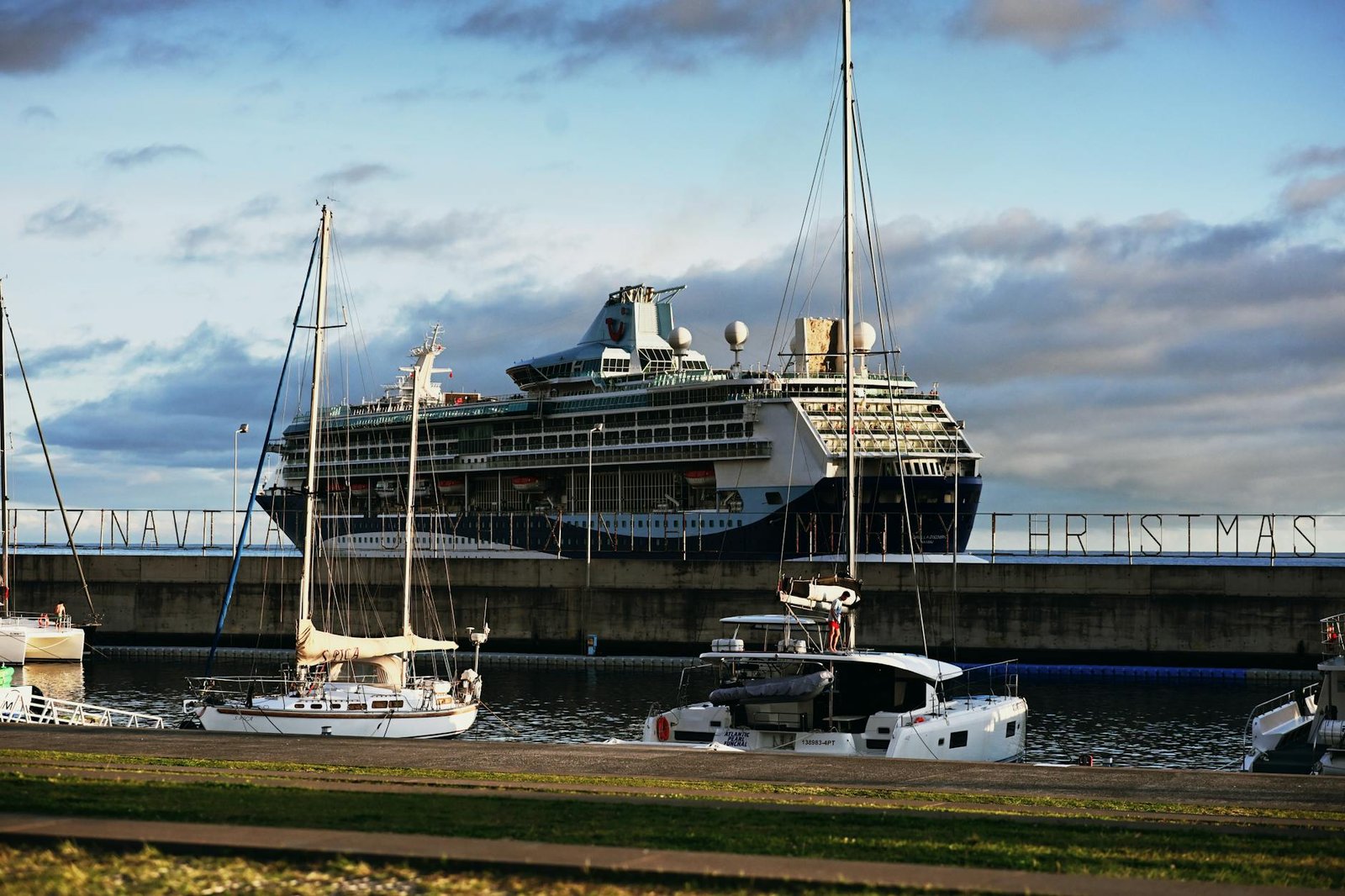
The Douro Valley doesn’t ease you in gently — it hits you with terraced vineyards cascading down to a glittering river, and the smell of aging wine drifting from every quinta. Pinhão is the beating heart of Portugal’s port wine country, and Favaios, just 10 kilometres north, adds a twist: Muscat wine and bread so legendary it has its own museum. Give this place a full day and it will absolutely ruin you for ordinary wine tourism.
Arriving by Ship
River cruise ships dock directly at Pinhão’s compact quayside, right in the village centre — no tenders, no fuss. You step off the gangway and you’re already standing beneath the iconic azulejo-tiled train station, one of Portugal’s most photographed railway buildings.
The village itself is tiny and entirely walkable, but venturing out to Favaios or the surrounding quintas requires a taxi, organised tour, or rental car. Most ships offer shore excursions, but independent options are plentiful and often better value.
Things to Do

Pinhão packs a remarkable amount into a small space, and the surrounding landscape rewards every direction you point yourself. Between the river, the vineyards, and the hilltop villages, one day genuinely flies.
Wine & Quintas
- Quinta do Crasto wine tasting — one of the Douro’s most celebrated estates, perched dramatically above the river; tastings from around €15 per person, bookings recommended.
- Electric boat on the Douro — drift silently between vine-covered slopes with a glass of port in hand; the one-hour tasting experience starts from USD 23.47 🎟 Book: Pinhão: Electric Boat Experience 1h – Taste of Two Wines.
- Private two-hour electric boat tour — ideal for groups wanting a slower, more immersive river experience with full wine tasting included from USD 422.51 🎟 Book: Pinhão Private Electric Boat Tour 2h Wine Tasting Included.
- Quinta de la Rosa — a boutique family-run estate a short walk from the dock offering cellar tours and tastings; expect to pay around €10–20 depending on the flight.
Favaios Village
- Museu do Pão e do Vinho (Museum of Bread and Wine) — a wonderfully quirky museum in Favaios dedicated to the village’s two obsessions; entry costs around €2 and includes a tasting of local Moscatel.
- Adega Cooperativa de Favaios — the village cooperative where Moscatel de Favaios is produced; tours and tastings available for around €5, and the wine is impossible to leave without.
- Wandering the schist village lanes — Favaios is genuinely unspoiled, with stone houses and ceramic wine jugs displayed outside doorways; it’s free and unhurried.
Wider Douro Valley
- Private 4×4 Douro tour — explore the valley’s remote terraces with wine tasting and a boat trip built in from USD 269.94 🎟 Book: Private Douro and Porto 4×4 Tour with Wine Tasting and Boat Trip.
- Pinhão train station azulejos — 24 blue-and-white tile panels depicting Douro Valley life; completely free and genuinely stunning, even if your ship arrived by water.
What to Eat
Lunch in Douro country is an event, not a pitstop — expect robust flavours, generous portions, and mandatory wine pairings. The local cuisine leans on the Trás-os-Montes tradition: rustic, hearty, and deeply satisfying.
- Bacalhau à Brás (shredded salted cod with eggs and potato crisps) — a Portuguese classic found at Restaurante Veladouro in Pinhão for around €12–15.
- Bola de Favaios — the famous soft bread roll unique to Favaios, sold still warm from local bakeries for under €1; buy several.
- Cabrito assado (roasted kid goat) — a Sunday staple in the Douro, available at local tascas for around €14–18 per portion.
- Moscatel de Favaios — the local fortified Muscat wine, golden and honeyed, served as an aperitif or dessert wine; buy a bottle at the cooperative from around €8.
- Toucinho do céu (almond and egg yolk cake) — a rich, sticky pastry found at most cafés in Pinhão for around €2 per slice.
- Migas com entrecosto (bread-based side dish with pork ribs) — deeply traditional, filling, and available at village restaurants from around €13.
Shopping

Pinhão’s shopping is refreshingly focused: wine, wine accessories, and not much else — which is exactly right. The village has a handful of small shops and quinta-adjacent stores selling port, Douro reds, and Moscatel at prices significantly below Lisbon retail.
Skip the generic tourist trinkets and head straight to the cooperative in Favaios for Moscatel, or ask at your quinta of choice to purchase bottles directly. Handmade ceramic azulejo tiles make beautiful, packable souvenirs and are sold in a few small shops near the train station.
Practical Tips
- Currency — Portugal uses the euro; carry some cash as smaller tascas and Favaios bakeries often don’t accept cards.
- Getting to Favaios — taxis from Pinhão cost roughly €15–20 each way; agree the price before you set off.
- Go ashore early — the light on the vineyards is extraordinary in the morning, and popular quintas fill up by midday.
- Dress code — casual but respectful; quintas occasionally have dress guidelines for their dining rooms.
- Tipping — rounding up the bill or leaving 5–10% is appreciated but not obligatory.
- Time needed — allow at least six hours to cover Pinhão and Favaios properly without rushing.
- Heat warning — summer temperatures regularly exceed 40°C in the Douro; carry water and a hat.
Pack your corkscrew, wear comfortable shoes, and prepare to completely rethink what a perfect day ashore actually looks like.
🎟️ Things to Book in Advance
These highly-rated experiences fill up fast — book before you arrive to avoid missing out.


This page contains affiliate links. If you book through them, we may earn a small commission at no extra cost to you.
📍 Getting to Pinhao, Portugal, Favaios
Use the interactive map below to explore the port area and plan your route from the terminal.
Leave a Reply