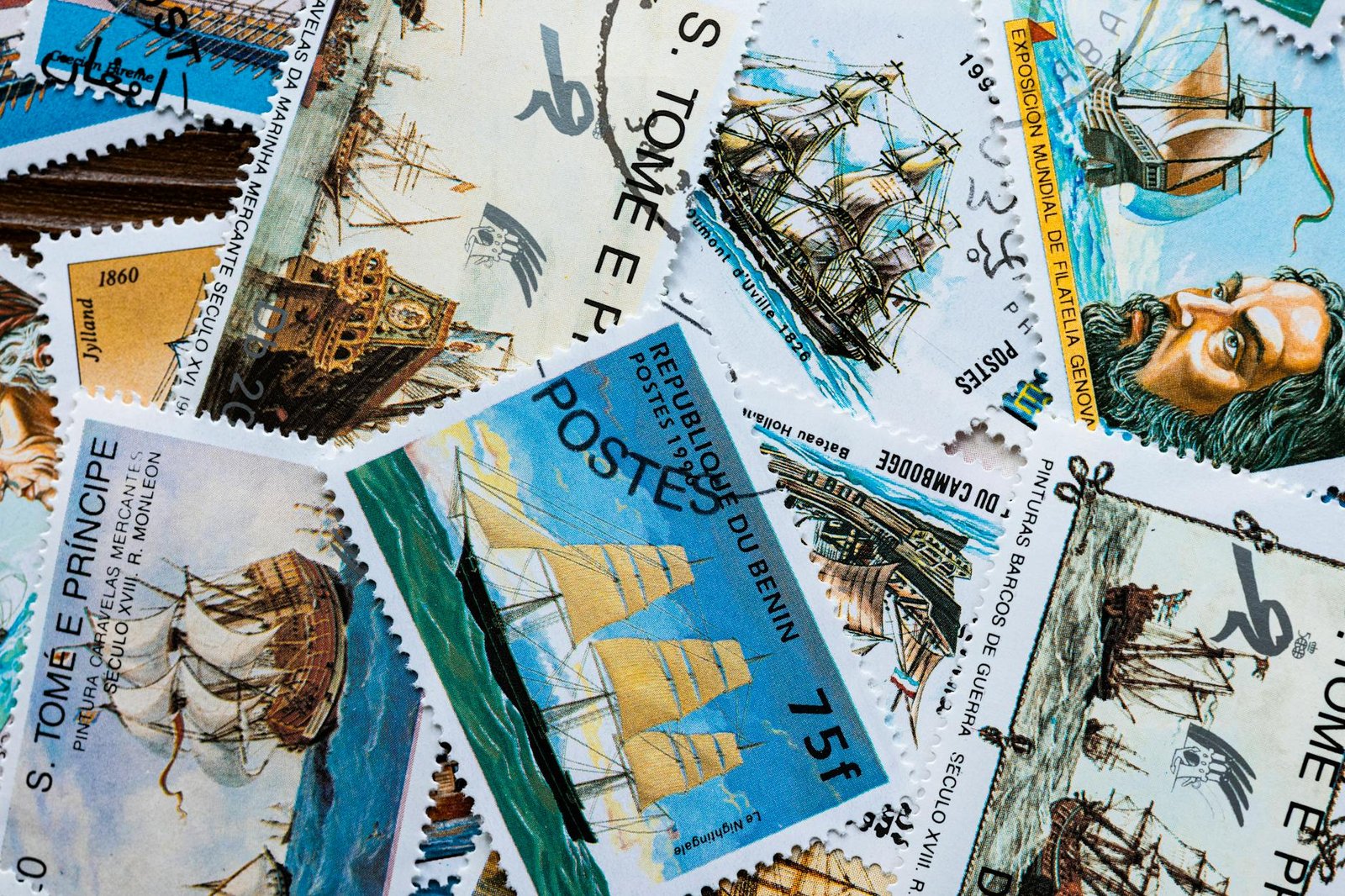
Príncipe is the kind of place that makes seasoned travellers stop mid-sentence and simply stare. This tiny volcanic island in the Gulf of Guinea — part of the two-island nation of São Tomé and Príncipe — is one of Africa’s smallest and most remote territories, draped in UNESCO-protected rainforest and fringed by beaches so untouched they feel almost fictional. If your cruise has brought you here, consider yourself extraordinarily lucky.
Arriving by Ship
Cruise ships calling at Príncipe anchor off Santo António, the island’s charming colonial capital and one of the smallest capital towns you’ll ever visit. Tendering is the norm here, with small boats ferrying passengers ashore to the modest dock. The process is generally smooth, though the harbour can be lively with local fishing activity that makes for wonderful photography even before you step foot on land. Santo António itself is compact enough to explore on foot, but the island’s real highlights — its jungle interior, remote beaches, and cacao plantation heritage — require some form of organised transport. Arrange your excursion in advance where possible, as local taxis and guides are limited in number and high in demand on ship days.
Things to Do

With a full day ashore, you have just enough time to scratch the surface of what makes Príncipe so extraordinary. Start in Santo António itself, where Portuguese colonial architecture in various states of elegant decay lines the waterfront. The central square, with its cathedral and government buildings, takes maybe twenty minutes to absorb properly. From there, head south towards the island’s interior. The Príncipe Biosphere Reserve covers roughly half the island and offers short hiking trails through cloud forest that feel genuinely wild. Birdwatchers should bring binoculars — Príncipe is home to several endemic species found nowhere else on earth.
The beaches are unmissable. Praia Banana and Praia Sundy are often cited among the most beautiful in all of Africa, with golden sand, turquoise water, and not a resort building in sight. Swimming conditions vary by season, but even on rougher days the scenery alone justifies the journey. History enthusiasts should seek out the old roças — the grand plantation estates built during Portuguese colonial rule — where crumbling architecture and lush vegetation create an atmosphere that is haunting and beautiful in equal measure. For a well-organised day covering all the highlights, consider booking a dedicated cruise passenger tour from São Tomé that includes guided stops across the island. 🎟 Book: Tours for cruise ship travelers in São Tomé
Local Food
Príncipe’s cuisine is a slow-cooked blend of African and Portuguese influences, deeply tied to the sea and the island’s extraordinary agricultural richness. Calulu is the dish to seek out — a hearty stew of dried fish, vegetables, and palm oil with roots in both West African and Creole cooking traditions. Grilled fresh fish, often barracuda or red snapper caught that morning, is served at the handful of local restaurants around Santo António. Cocoa is grown here in extraordinary quality, and the island’s chocolate is some of the finest you will taste anywhere. A local guide who knows the island intimately can take you through its food culture and history in a way no guidebook can replicate. 🎟 Book: Luis Miguel Tour guide-São Tomé
Shopping

Shopping on Príncipe is refreshingly low-key. The small market near the harbour sells local produce, hand-carved wooden items, and woven crafts. Chocolate bars made from single-origin Príncipe cacao make perfect, lightweight souvenirs — look for brands that support the island’s own growers. Small-scale artisans occasionally sell hand-painted batik fabric and jewellery made from local seeds and shells. Don’t expect polished boutiques or air-conditioned gift shops; this is an island where commerce still operates at a human pace, and that’s entirely part of the charm.
Practical Tips
Currency is the West African CFA franc, though euros are often accepted at hotels and some restaurants. Credit cards are rarely useful outside of larger establishments, so carry cash. Mobile data can be patchy, so download offline maps before you leave the ship. The climate is tropical — light, breathable clothing and reef-safe sunscreen are essential year-round. Portuguese is the official language, and while some locals speak basic English, even a few words of Portuguese go a long way. Getting between sites requires either a pre-arranged tour or negotiating with local taxi drivers at the dock. An airport transfer service can also help with logistics if your plans extend beyond the immediate town. 🎟 Book: Transport/pickup service to and from Sao Tome Airport
Cruises That Visit Príncipe, São Tomé and Príncipe
Príncipe is among the rarest of cruise destinations, appearing on itineraries almost exclusively with expedition and luxury small-ship operators. Ponant, the French expedition cruise line, includes Príncipe on select West Africa and Atlantic island voyages, typically sailing from Lisbon or Las Palmas de Gran Canaria on voyages of fourteen to twenty-one days that string together the Cape Verde Islands, São Tomé, and Príncipe into genuinely off-the-beaten-path itineraries. Silversea is another regular caller, incorporating Príncipe into its longer Silver Origin and Silver Wind expeditions that trace the West African coast, sometimes departing from Cape Town or Dakar. These voyages typically run between sixteen and twenty-four days.
Hurtigruten Expeditions and Seabourn Expedition Cruises have also featured Príncipe on occasional sailings, usually as part of broader Atlantic Ocean or African coastal programmes. Passenger capacity on these vessels tends to be small — rarely more than three hundred guests — which suits Príncipe perfectly, as the island’s infrastructure simply cannot accommodate the volume that larger ships would bring. Viking Cruises has included São Tomé and Príncipe in some of its longer World and African odyssey itineraries departing from London (Tilbury) or Barcelona, with journey lengths reaching beyond twenty days.
The best time to visit Príncipe by sea is during the dry season, which runs roughly from June to September. Seas are calmer during this period, making tendering operations smoother, and the reduced rainfall means better visibility for wildlife spotting and hiking in the biosphere reserve. The heavier rainy season from October to May can bring dramatic swells and occasional itinerary disruptions, though the island’s jungle looks breathtakingly verdant in the wet months. Travellers with a specific interest in birdwatching may prefer the slightly cooler dry season months of July and August when endemic species are more active and easier to spot.
🚢 Cruises That Stop at Principe Sao Tome and Principe
Ready to experience Principe Sao Tome and Principe for yourself? Search live sailings below — filter by departure port, cruise line, and travel dates to find the itinerary that works for you.
Widget not showing? Search all cruises to Principe Sao Tome and Principe on CruiseDirect ↗
Affiliate link — we may earn a commission if you book through it.
Príncipe rewards those rare travellers whose ships venture far enough off the standard Atlantic circuit to include it. A single day here won’t reveal everything this remarkable island holds, but it will leave you with the distinct feeling that you’ve seen something most people never will — and that, in the end, is what the best cruise destinations always offer.
🎟️ Things to Book in Advance
These highly-rated experiences fill up fast — book before you arrive to avoid missing out.


This page contains affiliate links. If you book through them, we may earn a small commission at no extra cost to you.
📍 Getting to Principe Sao Tome and Principe
Use the interactive map below to explore the port area and plan your route from the terminal.
Leave a Reply