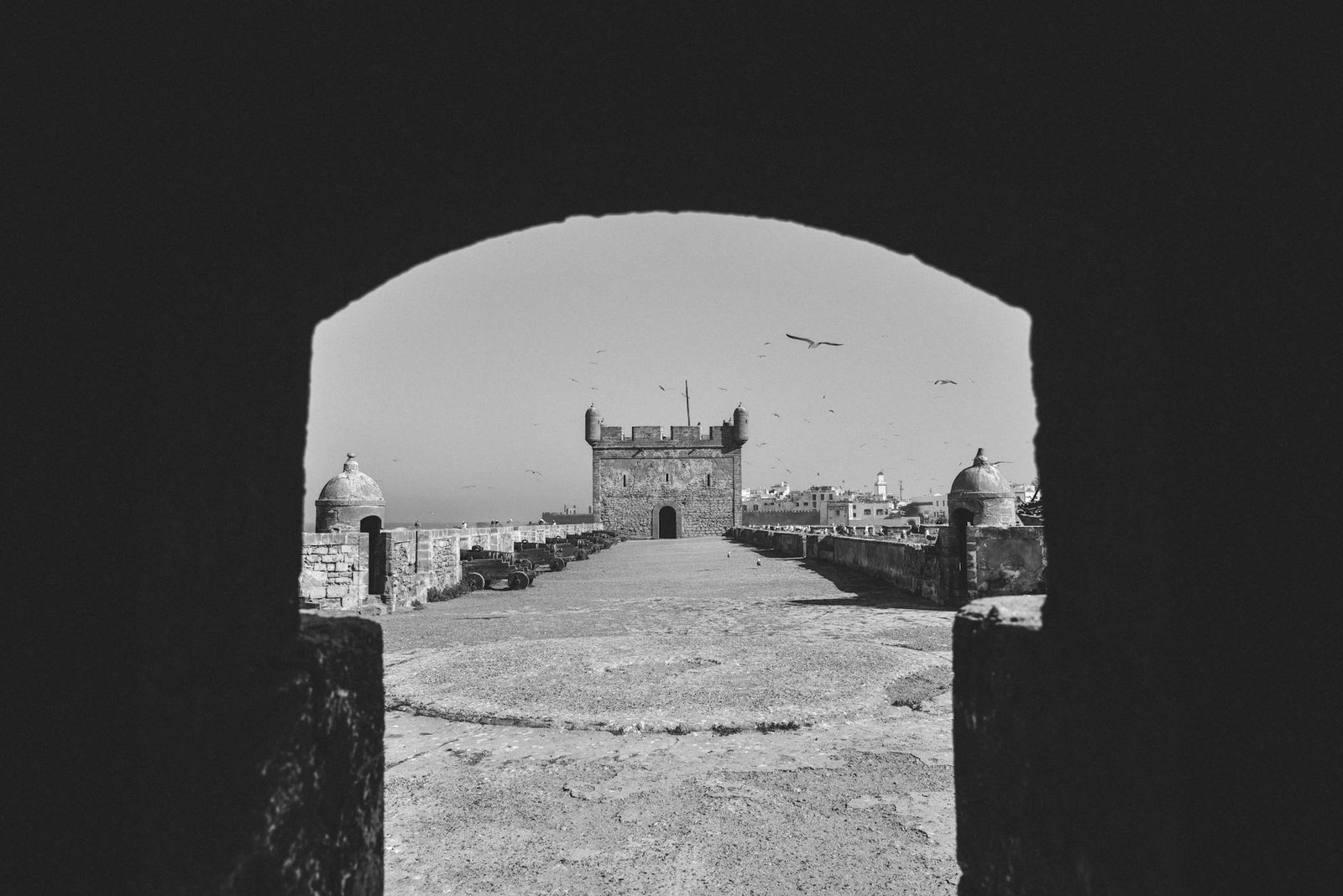
Tucked along Morocco’s windswept Atlantic coast between Casablanca and Essaouira, Safi is one of those rare ports that cruise passengers rarely know much about before arriving — and can’t stop talking about afterwards. It’s a city shaped by ancient trade routes, sardine canneries, and some of the finest pottery tradition in the entire Maghreb. Give it your full attention for a day, and Safi will reward you generously.
Arriving by Ship
Safi’s commercial port sits right at the edge of the medina, which means you’re practically stepping into the old city the moment you clear the terminal gates. The walk from the pier into the historic centre takes only ten to fifteen minutes on foot, making this one of Morocco’s most refreshingly accessible ports. You won’t need to fight for taxis just to reach something worth seeing. That said, if you’re planning to venture further afield — to the lagoon village of Oualidia or other coastal spots — arrange transport early. A guided day trip covering Oualidia and the broader Atlantic coastline is an excellent way to maximise your hours. 🎟 Book: Day Trip to Oualidia and Safi on the Atlantic Coast Intercity transfers are also available if you’d prefer a private, flexible arrangement to reach a specific destination. 🎟 Book: Morocco Intercity Transfers
Things to Do

Start with the Kechla, the imposing Portuguese fortress that looms over the medina. Built in the 16th century, it offers sweeping views across terracotta rooftops and the blue Atlantic below — bring a camera and take your time. Down in the medina itself, the Colline des Potiers (Potters’ Hill) is the unmissable highlight of any Safi visit. Hundreds of working kilns and workshops line the hillside, producing the distinctive blue-and-white ceramics that have made this city famous throughout Morocco and beyond. Watch craftsmen throwing clay on wheels and hand-painting intricate geometric patterns — it’s a living, breathing art form.
If you want to go deeper than observation, book yourself into a hands-on pottery workshop that includes a museum visit and a taste of local kaâk pastries with mint tea. 🎟 Book: Safi Pottery Workshop, Museum Tour & Kaâk Tasting with Tea For something completely different, Safi sits on a stretch of Atlantic coast prized by surfers, and even beginners can get in the water with a professional surf lesson along the shoreline. 🎟 Book: Surf lessons in Safi Initiation with a Professional Instructor
Local Food
Safi is known throughout Morocco as a sardine capital — the city processes more of them than almost anywhere else in the country, and you’ll taste why. Head to any of the small grill restaurants near the port or medina and order freshly grilled sardines with chermoula, a punchy marinade of coriander, cumin, garlic, and preserved lemon. It’s inexpensive, deeply flavourful, and utterly authentic. Beyond sardines, look out for harira (a hearty tomato and chickpea soup), bastilla (a flaky pastry filled with spiced meat or seafood), and slow-cooked tagine made with local fish. Wash it all down with the sweetest mint tea you’ve ever tasted — refusing a second glass is practically considered impolite.
Shopping

The Potters’ Hill district is the obvious place to shop, and you should absolutely browse the workshops and small boutiques selling Safi’s signature ceramics. Prices are far more reasonable here than in Marrakech or Fez, and buying directly from the artisans ensures more of the money reaches the people who made the piece. Plates, tagine pots, decorative tiles, and small ornamental bowls all make practical, beautiful souvenirs that won’t break the bank. If you want to take home something more personal, consider joining a Berber weaving workshop where you learn the craft itself and leave with a small handmade textile. 🎟 Book: Berber Weaving Workshop in Safi Beyond ceramics and textiles, the medina’s souks carry spices, argan oil products, handmade leather goods, and locally made soaps scented with rose and eucalyptus.
Practical Tips
Morocco’s currency is the Moroccan Dirham (MAD), and while some shops accept euros, you’ll get far better value exchanging a small amount of cash before heading into the medina. Dress modestly — covering shoulders and knees is appreciated and will help you blend in respectfully. The medina is compact and mostly walkable, but the lanes can be labyrinthine, so downloading an offline map before you disembark is a smart move. Bargaining is expected in the souks but always keep it good-humoured. Finally, confirm your ship’s all-aboard time and work backwards — Safi’s magic has a way of making hours disappear.
Safi doesn’t have the fame of Marrakech or the Instagram ubiquity of Chefchaouen, but that’s precisely what makes a day here feel so rewarding. You’re stepping into a city that still belongs primarily to the people who live and work in it — and that, for any curious traveller, is worth its weight in hand-painted ceramics.
🎟️ Things to Book in Advance
These highly-rated experiences fill up fast — book before you arrive to avoid missing out.


This page contains affiliate links. If you book through them, we may earn a small commission at no extra cost to you.
📍 Getting to Safi Morocco
Use the interactive map below to explore the port area and plan your route from the terminal.
Leave a Reply