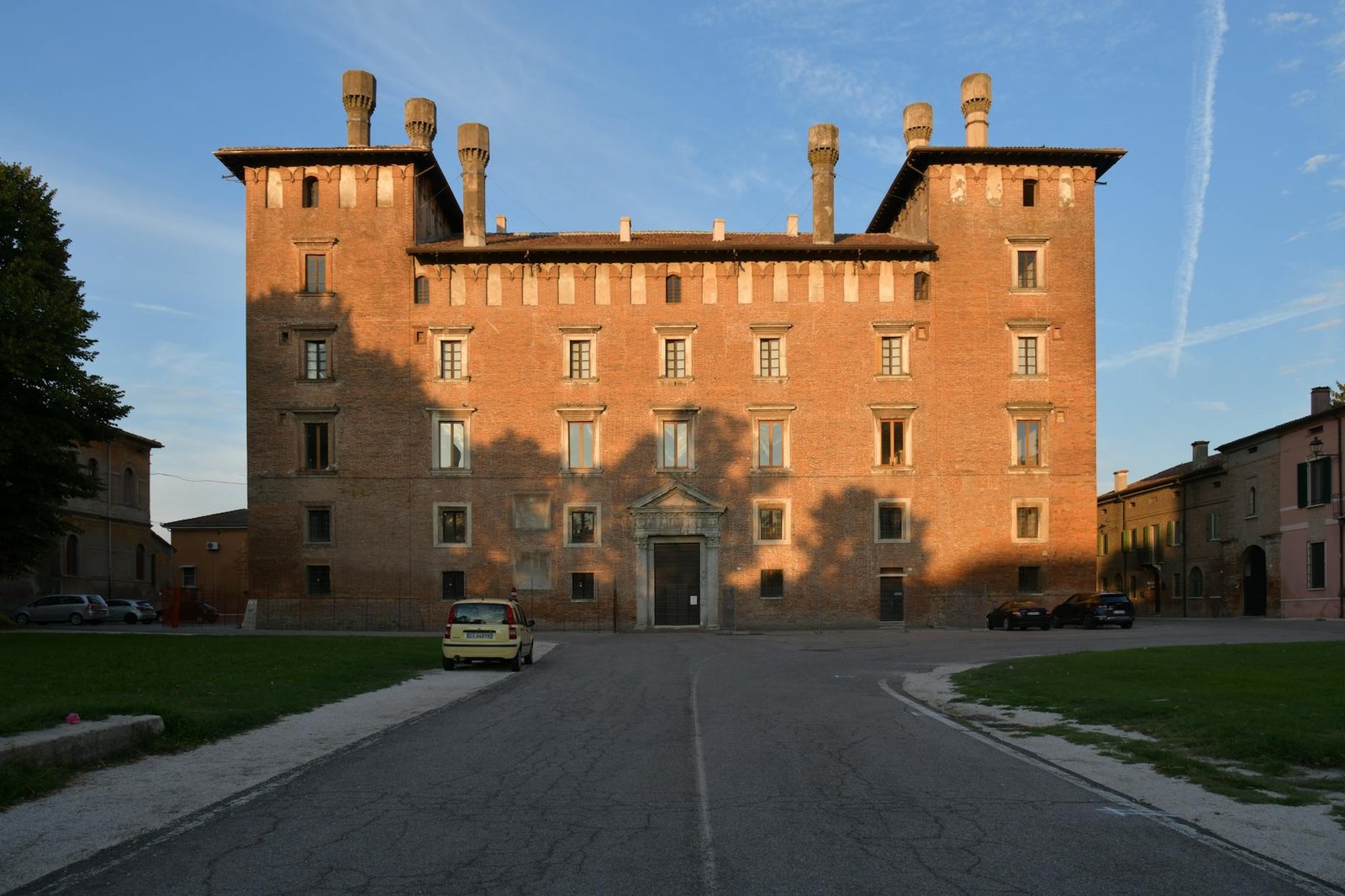
Most cruisers sail straight past the Po Delta, eyes fixed on Venice. That’s their loss — and your gain. Taglio di Po is the gateway to one of Italy’s most atmospheric and least-visited landscapes, where river meets sea in a tangle of lagoons, reed beds, and sleepy fishing villages.
—
Arriving by Ship
Taglio di Po sits along the Po di Venezia, one of the main distributary channels of the Po Delta, roughly 70 kilometres south of Venice. Ships dock alongside the town’s riverfront, so there’s no tender process — you step off and you’re essentially already there.
The port area is modest and functional, without the souvenir stalls and crowds you’d find at busier Italian stops. The town centre is a short walk from the berth, and the wider Po Delta Park spreads out in every direction from here.
—
Things to Do

You’re not here for monuments or shopping malls — you’re here for flat-water silence, birdlife, and a landscape that feels genuinely untouched. Pack comfortable shoes and prepare to slow down.
Nature & Wildlife
- Explore the Po Delta Regional Park by renting a bicycle (around €10–15/day from local shops near the waterfront) — flat terrain makes this ideal for all fitness levels.
- Take a boat tour of the lagoons — local operators run 2–3 hour guided trips through the delta channels, spotting herons, egrets, and flamingos; expect to pay around €20–30 per person.
- Visit the Valle Millecampi, a protected wetland reserve where pink flamingos gather in significant numbers, particularly from spring through autumn.
- Spot migratory birds along the Sacca di Scardovari, a shallow lagoon that’s considered one of Italy’s finest birding locations for twitchers and casual observers alike.
History & Culture
- Tour the Ecomuseo del Delta del Po in nearby Gorino Veneto — a small but absorbing museum documenting traditional fishing and farming life in the delta; admission is around €4.
- Walk the riverfront promenade in Taglio di Po itself, where older locals still gather in the evenings and fishing boats line the banks — it costs nothing and tells you everything.
- Visit Adria, a town 15 kilometres away that gave the Adriatic Sea its name, with a strong archaeological museum (Museo Archeologico Nazionale) housing Etruscan and Roman artefacts; entry is approximately €4.
Families
- Cycle to one of the river beach bars along the Po channels — shallow, calm water and flat cycle paths make this surprisingly family-friendly territory.
- Watch the eel fishermen at work along the canal banks — it’s a living tradition in the delta and one kids tend to find genuinely fascinating.
—
What to Eat
The Po Delta has its own culinary identity, built on freshwater fish, shellfish from the lagoons, and the exceptional local rice grown in the surrounding floodplains. This is not pizza-and-pasta territory — eat what the river gives you.
- Anguilla (eel) — the delta’s signature dish, grilled or marinated in vinegar; try it at Ristorante Al Bragozzo in Gorino Veneto for around €14–18 a main.
- Risotto di cozze — plump Scardovari mussels, farmed in the lagoon, served in a simple risotto; widely available at local trattorie for €10–13.
- Vongole veraci — clams from the delta, served with spaghetti or simply steamed with white wine; a staple along the waterfront for €10–12.
- Coppie ferraresi — the twisted, crunchy bread rolls of nearby Ferrara, available from local bakeries for a euro or two and perfect for a riverside lunch.
- Oca in onto — a traditional preserved goose dish, rooted in the Jewish culinary heritage of the Po Valley; ask at smaller, family-run restaurants whether they serve it.
- Local white wines from the Bosco Eliceo DOC — the sandy coastal soils produce distinctive Trebbiano and Sauvignon; a glass at a riverside bar runs €3–5.
—
Shopping

Taglio di Po isn’t a shopping destination, and that’s part of its charm. You won’t find luxury boutiques or designer leather here. What you will find are small food shops selling delta products — vacuum-packed eel, jarred clams, local rice, and the occasional bottle of Bosco Eliceo wine — all of which make genuinely meaningful souvenirs.
The weekly market in the town square sells local produce and household goods, predominantly serving locals rather than tourists. Skip the generic Italian trinkets you could buy anywhere and focus on edible souvenirs that you genuinely can’t find back home.
—
Practical Tips
- Currency: Italy uses the euro; carry some cash as smaller delta restaurants and bike-hire spots rarely accept cards.
- Go ashore early — the delta light is extraordinary in the morning, and guided boat tours fill up fast in summer.
- Allow a full day — the delta rewards slow exploration; rushing it would be missing the point entirely.
- Dress for the outdoors: sun, wind, and insects are all present in the delta — bring layers, sunscreen, and insect repellent.
- Transport: taxis are scarce; arrange with the ship’s excursion desk or a local operator for transfers to Adria or the wider park.
- Tipping: not expected, but rounding up the bill is appreciated in smaller family-run places.
- Best season: April to June and September to October offer mild weather and peak birdwatching conditions without summer heat.
Pack your binoculars, order the eel, and let the Po Delta quietly astonish you.
🎟️ Things to Book in Advance
These highly-rated experiences fill up fast — book before you arrive to avoid missing out.


This page contains affiliate links. If you book through them, we may earn a small commission at no extra cost to you.
📍 Getting to Taglio di Po, Italy
Use the interactive map below to explore the port area and plan your route from the terminal.
Leave a Reply