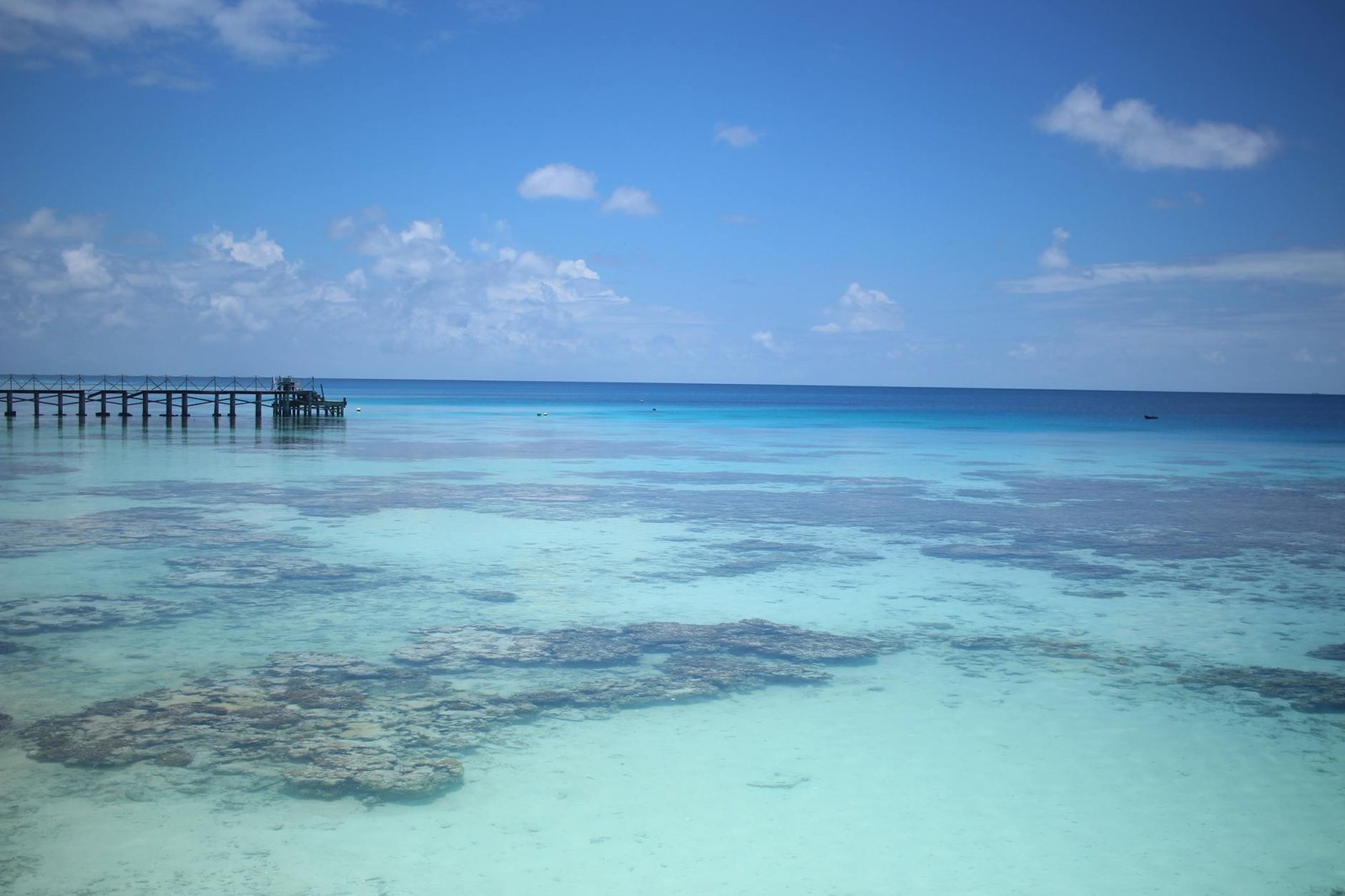
The Tuamotus don’t ease you in gently — they hit you with lagoon water so blue it looks digitally enhanced, and a silence so complete you’ll check if your ears are working. This chain of 78 coral atolls scattered across the South Pacific is one of the most remote and rewarding cruise destinations on earth. Come prepared, and a single day here will stay with you for decades.
Arriving by Ship
Most cruise ships anchor off the main atolls — Rangiroa, Fakarava, or Tikehau are the most common calls — and tender passengers ashore, since the shallow reef systems make docking impossible for large vessels. The tender ride itself is part of the experience, skimming across translucent lagoon water with the atoll’s thin strip of land barely visible above the horizon.
Once ashore, you’re typically in a village of just a few hundred people, where the main street is a coral-sand path and a bicycle is faster than any car. Everything is walkable or easily reached by rental bike within minutes of the tender dock.
Things to Do

Time in the Tuamotus rewards those who get into — or under — the water fast. The reef systems here are among the most biodiverse on the planet, and you don’t need to be a scuba diver to be astonished.
Water & Nature
- Drift snorkelling in Tiputa Pass, Rangiroa — this famous channel sees daily tidal flows that carry you past hundreds of grey reef sharks and dolphins; guided drift snorkel tours run around XPF 3,500–5,000 (approx. USD 30–45).
- Scuba diving in Fakarava’s South Pass — a UNESCO Biosphere Reserve site where walls of 700+ sharks congregate during grouper season (June–July); dive centres like Te Ava Nui charge around XPF 8,000 per tank dive.
- Swimming in the Blue Lagoon, Rangiroa — a lagoon-within-a-lagoon accessible by boat excursion (approx. USD 80–100 full day) where the water is impossibly still and warm.
- Stand-up paddleboarding on the inner lagoon — most village guesthouses rent boards for around XPF 2,000 per hour; the flat, wind-sheltered lagoon side is perfect for beginners.
- Manta ray watching at Tikehau — Tikehau’s channel is renowned for manta ray sightings year-round; join a half-day boat excursion through your ship or locally for around USD 60.
Culture & Land
- Pearl farm visit on Rangiroa or Fakarava — most atolls have working black pearl farms offering free or low-cost guided tours where you’ll see the grafting process and buy direct from the source.
- Cycling the village path at Fakarava — rent a bike (XPF 1,000–1,500/day) and pedal the length of Rotoava village, stopping at the 1874 coral stone church, one of the oldest in French Polynesia.
- Birdwatching in the coconut groves — Fakarava is home to the rare Tuamotu sandpiper and several endemic species; early morning walks along the lagoon edge yield the best sightings.
What to Eat
Food in the Tuamotus is fresh, simple, and deeply tied to the sea and coconut palm. Don’t expect gourmet restaurants — expect just-caught fish and fruit that tastes like it grew in paradise, because it did.
- Poisson cru — raw tuna marinated in lime juice and coconut milk, the national dish of French Polynesia; found at almost every local snack bar for around XPF 1,200–1,800 (USD 10–15).
- Grilled mahi-mahi — served whole with rice and a side of firi firi (fried dough) at village snack bars; expect to pay around XPF 1,500–2,000.
- Coconut bread (pain de coco) — baked fresh every morning at local boulangeries, slightly sweet and sold for XPF 100–150 per roll; buy early as it sells out by 9am.
- Fafaru — fermented fish in seawater, pungent and polarising; try it at a local family table or community meal if invited, it’s a true cultural experience.
- Fresh pamplemousse (Polynesian grapefruit) — sweeter and less bitter than the Western variety, sold roadside for almost nothing; grab two or three for a perfect snack between swims.
Shopping

The Tuamotus’ signature purchase is the Tahitian black pearl, and buying directly from an atoll farm here means you bypass city markups entirely. Quality and price vary hugely — a single loose pearl can range from XPF 2,000 to XPF 50,000 depending on size, lustre, and shape, so ask to see several and take your time.
Avoid cheap pearl jewellery sold near tender docks that may contain dyed or low-grade pearls. Also look for locally woven pandanus hats, baskets, and coconut shell carvings — these make lightweight, meaningful souvenirs that pack flat.
Practical Tips
- Currency is the CFP Franc (XPF) — cards are rarely accepted in village shops and snack bars, so bring cash ashore.
- Tender schedules are strict — note the last tender time and build in a 20-minute buffer; the atoll’s single general store has no accommodation for stranded cruise passengers.
- Go ashore early — the lagoon is calmest and the light is best before 10am, and popular snorkel spots fill up quickly with ship excursion groups.
- Reef shoes are essential — the coral-strewn shoreline is sharp; bring water shoes or pick up a cheap pair at the village store.
- Sun protection is non-negotiable — equatorial UV here is extreme; reef-safe sunscreen, a rash vest, and a hat are minimum requirements.
- Half a day is enough for the village; a full day is needed for the lagoon — prioritise water activities and save shopping for the final hour before tendering back.
- French is the official language — but most locals working with tourists speak basic English; a simple “merci” goes a long way.
Slip into that lagoon, let the current carry you past a reef shark or two, and you’ll understand exactly why sailors have been losing their hearts to the Tuamotus for centuries.
🎟️ Things to Book in Advance
These highly-rated experiences fill up fast — book before you arrive to avoid missing out.


This page contains affiliate links. If you book through them, we may earn a small commission at no extra cost to you.
Leave a Reply