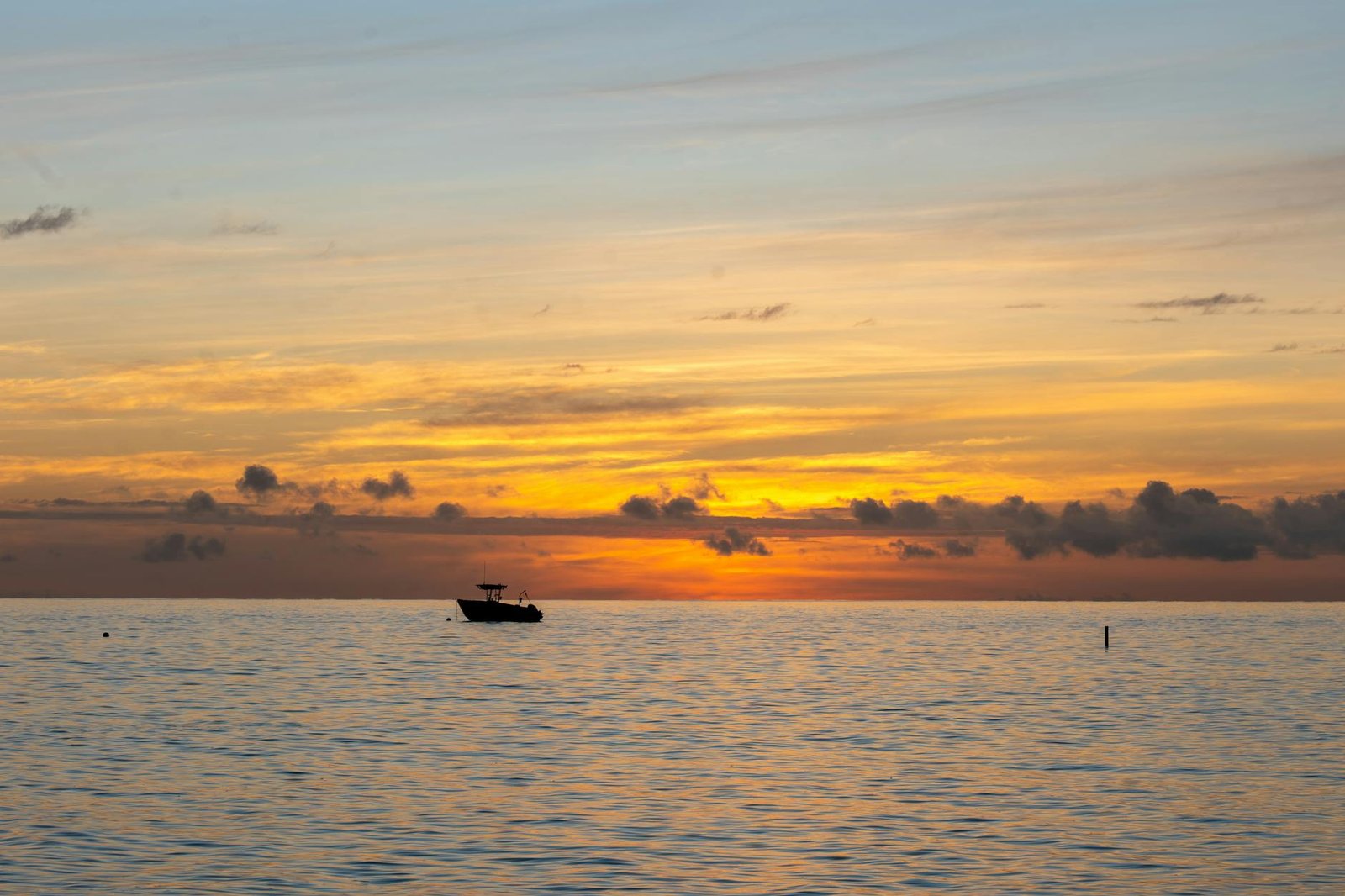
Naviti Island is the largest of the Yasawa Islands, draped in volcanic peaks, framed by reefs so vivid they look digitally enhanced, and almost entirely untouched by mass tourism. Ships don’t linger here long, so you’ll want to hit the ground running. This is remote Fiji at its most honest — no shopping malls, no resort sprawl, just coral, kava, and a pace of life that’ll make you want to cancel your flight home.
Arriving by Ship
Naviti has no deep-water cruise dock, so you’ll come ashore by tender boat — a short ride that gives you your first proper look at the island’s dramatic hillside silhouette. The process is generally smooth, but swells can occasionally cause brief delays, so check your ship’s announcements for updated tender times.
Once ashore, you’re essentially stepping into a small village community. There’s no bustling port hub or taxi rank — just a sandy track, a scattering of bures (traditional thatched huts), and locals who greet you with a genuinely warm “Bula!”
Things to Do

Naviti rewards the curious and the active in equal measure. Whether you’re chasing underwater encounters or cultural connection, you’ll find your day fills up faster than you expect.
Beaches & Water
- Swim at Naukacuvu Beach — one of the island’s most sheltered stretches, with calm, gin-clear water ideal for paddling or simply floating. No entry fee; just show up and exhale.
- Snorkel the fringing reef — corals begin just metres from shore, with parrotfish, turtles, and reef sharks all regularly spotted. Bring your own mask and fins if your ship hires them out.
- Try a beach club day trip — if you want more facilities and a sundowner vibe, a Malamala Beach Club full-day excursion nearby offers loungers, a bar, and the kind of sunset that wins arguments. 🎟 Book: Malamala Beach Club – Full Day
- Kayak along the coastline — some local operators offer outrigger canoe rides along the shoreline for around FJD 20–30 (approximately USD 9–14).
- Take a guided snorkel tour — local guides know exactly which reef patches shelter the biggest sea turtles; ask at the village for a half-day guide session.
Culture & Inland
- Attend a kava ceremony — many villages on Naviti welcome cruise visitors to a short, authentic kava ceremony; clap once when you receive the bilo (coconut cup) and drink it all.
- Join a Fiji Cultural Full Day Island Cruise if you want a structured, guided cultural experience that combines village visits, traditional music, and a proper Fijian lunch. 🎟 Book: Fiji Cultural Full Day Island Cruise With Lunch & Transfers
- Walk the ridge trail — a steep but rewarding 45-minute hike behind the main village offers panoramic views over the Yasawa chain; wear sturdy shoes and bring water.
- Watch meke dancing — some operators organise traditional Fijian dance performances for cruise visitors; check onboard shore excursion listings for timing.
Families
- Book the Seventh Heaven floating platform experience — a six-hour day on a solar-powered platform with water slides, paddleboards, and reef snorkelling, ideal for kids and adults alike. 🎟 Book: Seventh Heaven Fiji 6 Hour Experience on a Floating Platform
What to Eat
Food on Naviti is simple, fresh, and deeply tied to the land and sea around you. Don’t expect a restaurant row — expect a trestle table under a palm tree and some of the best fish you’ve ever tasted.
- Kokoda (Fijian ceviche) — raw fish cured in citrus and mixed with coconut cream and chilli; often served at village welcome feasts, usually included in cultural tour packages.
- Lovo-cooked meats — pork, chicken, or fish slow-cooked underground in banana leaves; a centrepiece of village feasts and something you’ll be talking about for years.
- Fresh papaya and pineapple — sold by locals near the landing beach for around FJD 2–3 (USD 1); impossibly sweet and perfectly ripe.
- Cassava cake — a dense, mildly sweet baked snack made from grated cassava and coconut; available at village stalls for pocket change.
- Coconut water — locals will crack one fresh for you on the spot for around FJD 2; better than anything you’ll find bottled.
Shopping

The shopping on Naviti is small-scale and genuinely artisan — think hand-woven mats, tapa cloth painted with traditional Fijian motifs, and carved wooden tanoa (kava bowls). Prices are refreshingly honest; a quality woven fan runs around FJD 10–20 (USD 5–9), and carved pieces vary widely depending on size.
Avoid buying anything made from turtle shell or black coral — it’s illegal to import into most countries and environmentally harmful. Stick to fabric, weaving, and woodwork, and buy directly from the maker whenever possible.
Practical Tips
- Currency is the Fijian Dollar (FJD) — bring small notes ashore as change can be scarce in village settings.
- Tipping isn’t traditional in Fijian culture but is warmly received; FJD 5–10 for a guide is generous and appropriate.
- Dress modestly when entering villages — shoulders and knees covered shows respect; pack a sarong in your day bag.
- Go ashore early — the best snorkelling light and the coolest temperatures are in the morning hours.
- Sunscreen matters — reef-safe formula only; regular sunscreen damages the corals you came to see.
- Bring cash for everything — there are no ATMs and no card machines on the island.
- You need at least 4–5 hours to snorkel, attend a kava ceremony, and walk the ridge; prioritise ruthlessly if your tender window is shorter.
Pack your sense of wonder alongside your reef shoes — Naviti Island will hand it straight back to you, magnified.
🎟️ Things to Book in Advance
These highly-rated experiences fill up fast — book before you arrive to avoid missing out.


This page contains affiliate links. If you book through them, we may earn a small commission at no extra cost to you.
📍 Getting to Naviti Island Fiji
Use the interactive map below to explore the port area and plan your route from the terminal.
Leave a Reply