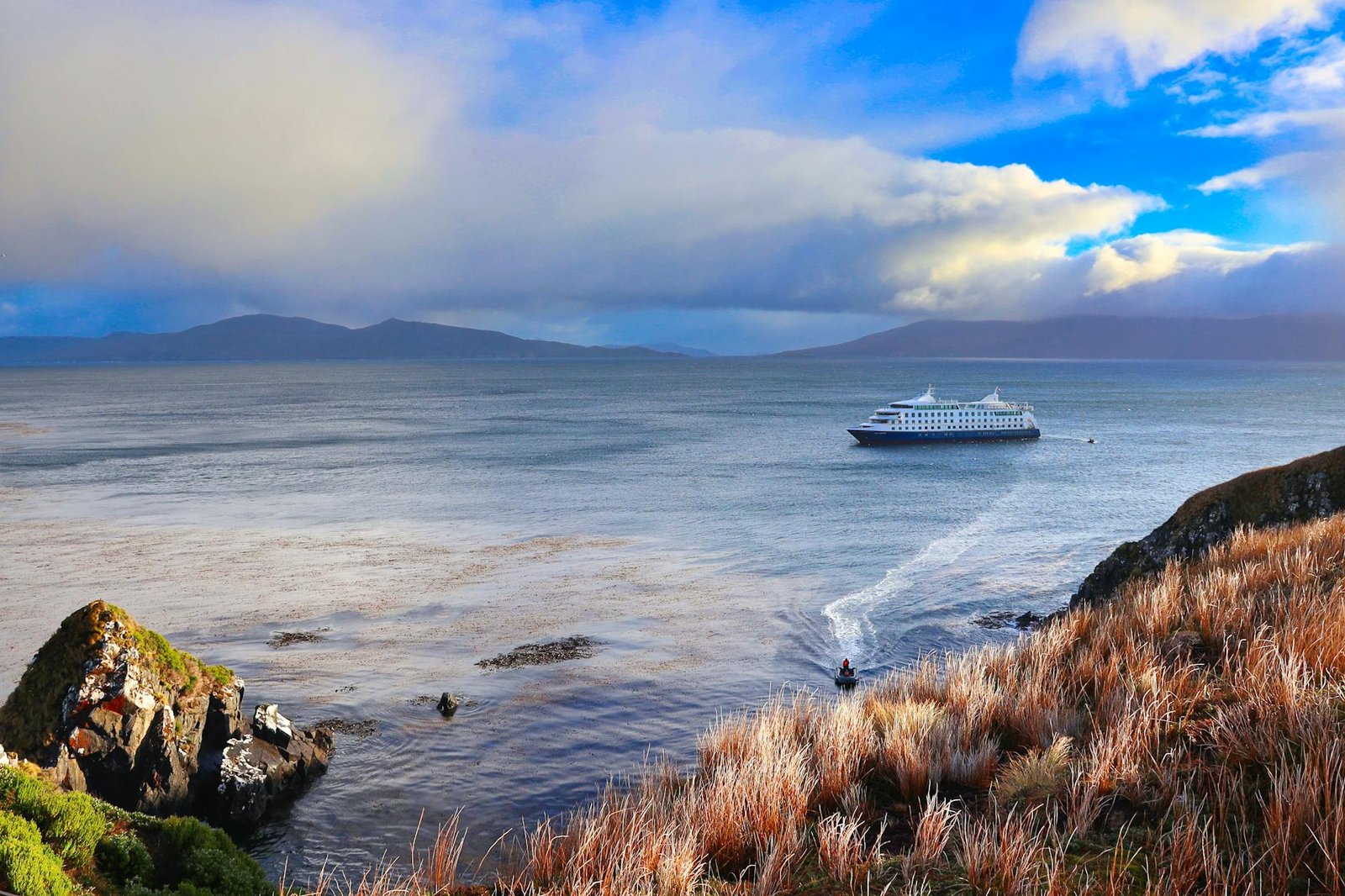
This is the island that inspired Robinson Crusoe — genuinely, literally, not metaphorically. Fewer than 100 people call it home, no airport exists, and most travellers never set foot here. If your cruise is stopping, pay attention: this is a once-in-a-lifetime landing.
Arriving by Ship
Alexander Selkirk Island (formerly Más Afuera) sits 780 kilometres off the Chilean coast in the South Pacific, and there is no dock — tenders are your only option. The seas here are notoriously unpredictable, so landings can be cancelled at short notice; the crew will know conditions before you do, so stay close to ship announcements.
The tiny settlement of Puerto Alejandro Selkirk is right at the landing point, a scatter of wooden houses occupied by seasonal lobster fishermen. You’re essentially stepping ashore into someone’s working village, which makes the whole experience feel raw and unscripted in the best possible way.
Things to Do

There are no tourist queues here, no ticket machines, no air-conditioned museums — just extraordinary terrain, remarkable wildlife, and a story soaked into every rock. Pack your sense of adventure and go.
Nature & Wildlife
- Watch Juan Fernández fur seals on the rocks just minutes from the landing point — the colony here is one of the largest in the South Pacific, numbering in the thousands.
- Hike to Mirador Las Casas, a viewpoint above the settlement offering jaw-dropping coastal panoramas; the trail takes roughly 45–60 minutes return and is steep but manageable.
- Spot endemic land birds including the Más Afuera rayadito, a small songbird found nowhere else on earth — birders should bring binoculars and move quietly through the fern-covered ravines.
- Explore the cloud forest interior, where tree ferns and endemic flora create an almost prehistoric atmosphere within a short walk uphill from the shore.
History
- Visit the memorial marker for Alexander Selkirk, the Scottish sailor marooned on nearby Robinson Crusoe Island (not here, despite the naming confusion) — local fishermen can explain the island’s complicated rename history.
- Talk to the lobster fishermen who operate here seasonally from October to May; they’re surprisingly open to conversation and offer a glimpse into one of Chile’s most isolated livelihoods.
Beaches & Coast
- Walk the black-sand volcanic beach at the landing area — it’s small but striking against the sheer green cliffs behind it, and almost certainly uncrowded.
- Snorkel in the crystal-clear water off the shore if conditions allow; visibility can reach 20–30 metres and the marine life is virtually undisturbed.
What to Eat
Formal restaurants don’t exist here, but don’t let that put you off — the fishermen occasionally sell or share their catch, and some cruise lines arrange shore-side tastings. Manage expectations: this isn’t a culinary destination, it’s an experience destination.
- Fresh langosta (spiny lobster) — the island’s lifeblood industry; if a fisherman offers you a taste, accept immediately. Occasionally available grilled dockside, roughly $10–15 USD.
- Cazuela de mariscos — a hearty Chilean seafood stew sometimes prepared by locals for visiting crews; rich, warming, and deeply savoury.
- Pan amasado — traditional Chilean kneaded bread, occasionally baked by residents; dense, slightly chewy, and perfect with butter.
- Your ship’s Chilean-themed lunch — many cruise lines programme a regional menu on days like this; the lemon-marinated ceviche on board is worth seeking out.
- Mate or instant coffee — offered informally by fishing families if you’re invited inside a home; accept graciously, it’s a genuine gesture of welcome.
Shopping

Don’t arrive expecting a craft market — there isn’t one. Occasionally fishermen sell small hand-carved wooden items or offer dried seafood products, but these are informal exchanges rather than commerce. Bring small USD bills if you want to buy anything; Chilean pesos are technically correct but dollars are more universally accepted here.
The most meaningful thing you can take home is a photograph and the knowledge that very few travellers have stood where you’re standing. Avoid purchasing anything made from marine wildlife — shell souvenirs or sea-creature items are not only ecologically damaging but potentially illegal to import.
Practical Tips
- Tender landings depend entirely on sea conditions — have a backup plan for staying aboard and check announcements the night before.
- Bring cash in small USD bills, as there are no card facilities of any kind on the island.
- Wear layers: the island sits at altitude once you hike inland, and cloud cover can make it feel much cooler than it looks from the water.
- Sturdy waterproof shoes are essential — the landing beach is slippery rock and wet sand, not a manicured pier.
- Respect the fishing community’s privacy — ask before photographing people or their homes; these are residents, not a tourist attraction.
- You’ll have 4–6 hours ashore maximum, so prioritise the fur seal colony and at least one uphill trail immediately on landing.
- There is no medical facility on the island — carry any personal medication and a basic first-aid kit.
- Tipping isn’t expected but a small thank-you gesture to anyone who assists you goes a long way in such a small community.
Step off the tender, breathe in the salt-and-fern air, and let yourself feel just how far from the ordinary world you really are.
📍 Getting to Alexander Selkirk Island, Chile
Use the interactive map below to explore the port area and plan your route from the terminal.
Leave a Reply