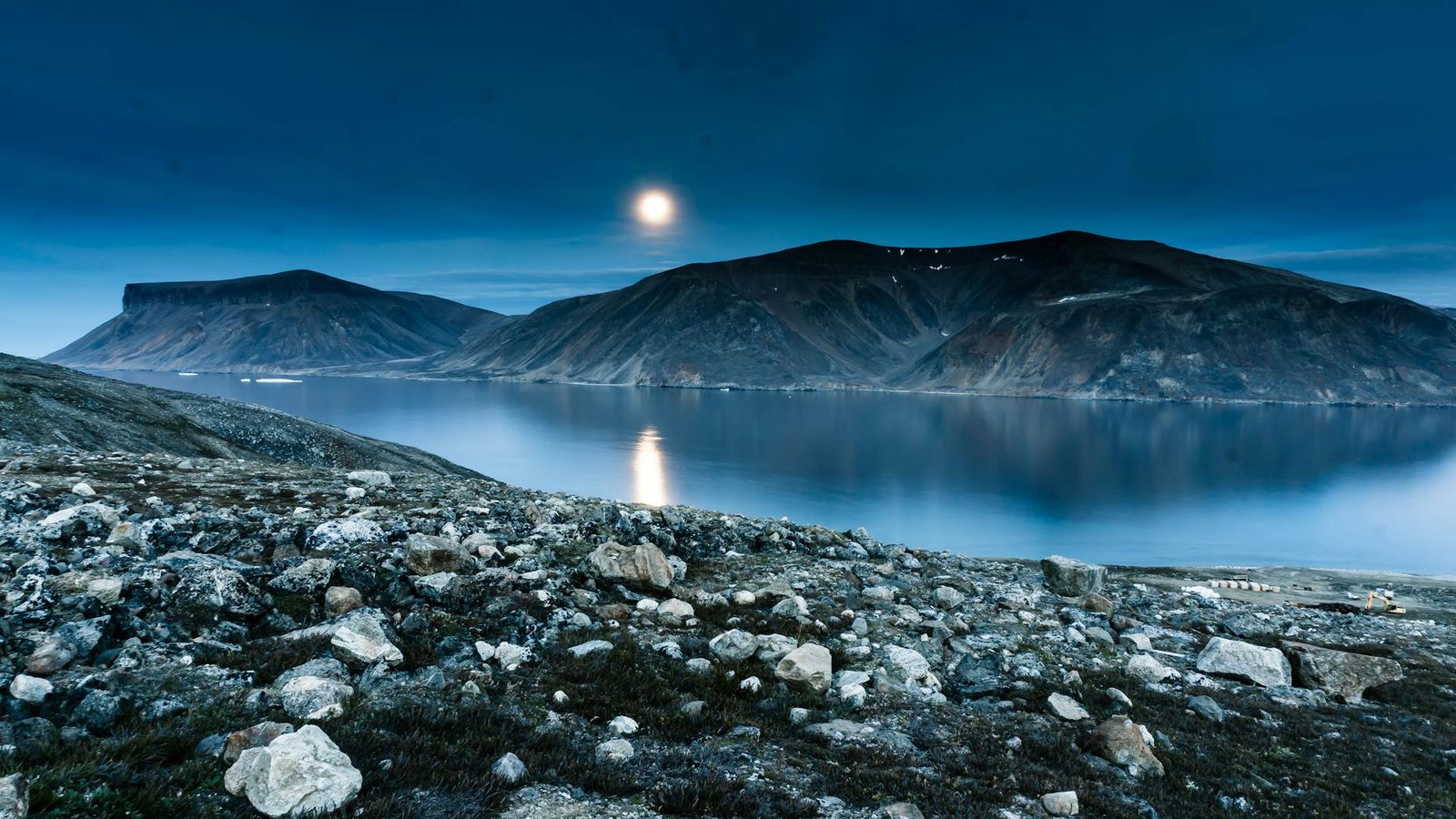
Quick Facts: Coburg Island | Canada (Nunavut Territory) | No formal terminal — zodiac/tender landing on remote shoreline | Tender/Zodiac only | No city center — uninhabited wilderness island | UTC−5 (Eastern Standard Time, no daylight saving observed in this zone during Arctic summer operations)
Coburg Island is one of the most remote and breathtaking expedition cruise stops in the Canadian High Arctic — a raw, uninhabited island sitting in Jones Sound between Ellesmere Island and Devon Island, well above the 75th parallel. There is no town, no infrastructure, no shops, and no roads — just towering basalt cliffs, massive seabird colonies, polar bear habitat, and ice-choked seas that will make your jaw drop. The single most important planning tip: everything here depends entirely on weather, sea ice conditions, and your expedition team’s daily briefing, so keep your schedule flexible and listen to your naturalist guides above all else.
—
Port & Terminal Information
There is no cruise terminal at Coburg Island. This is a true wilderness landing, and your ship — almost certainly an expedition vessel such as those operated by Quark Expeditions, Ponant, Silversea Expeditions, or Adventure Canada — will anchor offshore and ferry passengers ashore by inflatable zodiac boats.
- Terminal name: No formal terminal exists. Landings are made on the island’s rocky or gravelly shoreline, typically on the southwestern or northern coast depending on ice and conditions. Check [Google Maps](https://www.google.com/maps/search/Coburg+Island+cruise+terminal) to get a sense of the island’s geography before departure.
- Dock vs. tender: Zodiac tender operation — this is a wet landing in most cases, meaning you step directly into shallow water or onto slippery rock. Waterproof boots (ideally rubber Xtra-Tuf style) are non-negotiable. Your ship will almost certainly have a boot-washing station for biosecurity compliance under AECO guidelines.
- Terminal facilities: There are none. No ATMs, no Wi-Fi, no luggage storage, no restrooms, no tourist information desk. Your ship is your base of operations entirely.
- Gangway timing: Zodiac operations typically run in rotation — your group may wait 30–60 minutes aboard ship before your zodiac queue is called. Factor this into your usable time ashore.
- Distance to “city center”: Not applicable. The nearest permanently inhabited community is Grise Fiord (Aujuittuq), approximately 200 km to the north on Ellesmere Island — the most northerly civilian settlement in Canada.
—
Getting to the Island

Because this is an uninhabited wilderness island accessed exclusively by expedition cruise, the standard transport options simply don’t apply. Here is how movement actually works:
- On Foot (ashore): Once landed, all exploration is on foot across tundra, rocky beaches, and cliff-base terrain. Distances vary — a typical landing zone exploration covers 1–4 km depending on your guide’s route and conditions. Footing is uneven, wet, and sometimes boggy. Trekking poles are strongly recommended.
- Zodiac cruising (instead of landing): On days when a beach landing is unsafe due to surf or polar bear activity, your expedition team may opt for a zodiac cruise along the cliffs instead — this is actually magnificent for photography and seabird observation. This is included in your expedition package, not an extra cost.
- Bus/Metro: Does not exist.
- Taxi: Does not exist.
- Hop-On Hop-Off: Does not exist.
- Rental Car/Scooter: Does not exist.
- Ship Shore Excursion: This IS the shore excursion. Everything ashore at Coburg Island is organized, led, and managed by your ship’s expedition team. This is one port where going independently is not possible — nor legal under Canadian Arctic regulations without proper permits and ranger accompaniment. Browse what expedition add-ons and pre-voyage extensions are available through [Viator’s Coburg Island search](https://www.viator.com/search/Coburg+Island) or [GetYourGuide](https://www.getyourguide.com/s/?q=Coburg+Island¤cy=USD&partner_id=MHU0UHU) for related Arctic expedition experiences.
—
Top Things to Do at Coburg Island, Nunavut Canada
Coburg Island rewards curious, patient, and physically mobile travelers — what you encounter here on any given day is genuinely unlike anything else on earth. Here are the experiences that define a landing here, organized by type.
—
Must-See
1. The Seabird Colonies of Cape Pembroke (free — included in expedition) — The southwestern cliffs of Coburg Island host one of the most spectacular seabird colonies in the entire Canadian Arctic. Hundreds of thousands of thick-billed murres (Uria lomvia) nest on near-vertical basalt ledges, creating a wall of sound and motion that is genuinely staggering. The smell hits you before the sight does. Kittiwakes, fulmars, and black-legged gulls share the cliffs in noisy, photogenic abundance. Your naturalist guide will position the group at the ideal viewing distance — close enough for extraordinary photography but far enough not to disturb nesting activity. Find guided Arctic expedition tours that include this stop on [Viator](https://www.viator.com/search/Coburg+Island). Allow 1–2 hours.
2. Polar Bear Watching from the Shoreline (free — included in expedition) — Coburg Island is exceptional polar bear habitat. The island’s combination of sea ice access, rich marine prey, and isolation makes it one of the better High Arctic spots for genuine polar bear encounters. Your expedition guides carry firearms for group safety and will maintain safe distances, but sightings from the zodiac or the landing beach are not uncommon. This is not a zoo or a staged encounter — these are wild apex predators in their actual home territory, which makes it all the more extraordinary. Dedicate whatever time the bears allow — sometimes 20 minutes, sometimes 2+ hours if behaviour is interesting. Check [GetYourGuide for Arctic wildlife expedition tours](https://www.getyourguide.com/s/?q=Coburg+Island¤cy=USD&partner_id=MHU0UHU).
3. Arctic Tundra Walk with Ship Naturalist (free — included in expedition) — The island’s interior, where accessible, is a textbook example of High Arctic tundra: low-lying cushion plants, saxifrage, Arctic poppies, and moss that has been growing undisturbed for centuries. Walking with your ship’s botanist or naturalist across this terrain is a slow, meditative, genuinely moving experience. The silence — when the seabirds are behind you — is profound. Allow 1–2 hours.
—
Beaches & Nature
4. Zodiac Cliff Cruising Along the Basalt Columns (free — included in expedition) — Whether or not a beach landing is possible, zodiacs can navigate close to the island’s dramatic cliff faces, which rise up to several hundred metres in columnar basalt formations draped in guano and alive with nesting birds. Bring your longest lens — puffins, dovekies, and glaucous gulls make for extraordinary frame-fillers. This is often the highlight of the entire voyage for wildlife photographers. Allow 1–1.5 hours.
5. Sea Ice and Iceberg Observation (free — included in expedition) — Coburg Island sits in Jones Sound, which is frequently choked with multi-year sea ice and drifting bergs even in July and August. The zodiac rides to and from shore pass through this ice, and on good days your driver will cut the engine and let you sit in silence surrounded by ice architecture. The colours — blue-white, jade, turquoise — are extraordinary in Arctic light. Allow the full transit time — typically 15–30 minutes each way — to absorb this.
6. Arctic Wildflower Meadows (free — included in expedition) — In July and early August, sheltered hollows on the island’s lower slopes support remarkable micro-blooms of Arctic poppies (Papaver radicatum), purple saxifrage, and mountain avens. These flowers survive in conditions that make them seem almost miraculous — your ship’s botanist will have stories. A guided wildflower walk is one of the quieter, slower pleasures of a Coburg landing. Allow 30–45 minutes.
7. Beachcombing for Whale Bones and Driftwood (free — included; do not collect anything) — The island’s shorelines frequently have bleached whale bones, driftwood carried by Arctic currents from Siberian river mouths, and remnants of historical Inuit or European whaling activity. Observing and photographing these is extraordinary — collecting anything is illegal under the Canada National Parks Act and AECO polar expedition codes of conduct. Your guides will explain the rules clearly before landing. Allow 30–60 minutes.
—
Day Trips
8. Extended Zodiac Expedition to Adjacent Sea Ice Floes (may be offered as optional activity — check with expedition team) — Some expedition operators offer extended zodiac excursions out to nearby sea ice to search for walrus haul-outs, ringed seals, and bearded seals resting on floe edges. These require advance sign-up aboard ship, are weather-dependent, and are genuinely spectacular when conditions allow. Ask your expedition coordinator at the daily briefing whether this is on offer. Find similar Arctic zodiac excursion options on [Viator](https://www.viator.com/search/Coburg+Island). Allow 2–3 hours.
9. Devon Island Crossing (ship-based, not a walk-off) — Devon Island, the largest uninhabited island on Earth, lies directly across Jones Sound and is sometimes a companion landing on multi-day expedition itineraries that include Coburg. If your voyage includes both, the contrast between Devon’s Haughton Crater moonscape and Coburg’s bird-rich cliffs is remarkable. This is a ship repositioning — not something you self-arrange. Allow a full additional day if offered.
—
Family Picks
10. Junior Naturalist Programme Onboard and Ashore (free — included in most expedition cruises) — Most expedition operators running Arctic itineraries that include Coburg Island have dedicated youth naturalist programmes, where children receive field journals, binoculars, and age-appropriate guided observation tasks. For kids old enough to manage zodiac landings (typically 6+ depending on operator), this is a transformative experience that no safari, zoo, or nature documentary can replicate. Check with your specific cruise line for age minimums and programme details.
11. Bird Identification Challenge with Expedition Team (free — included) — Setting up a species list for the day is a genuine and absorbing family activity at Coburg. The thick-billed murres, northern fulmars, black-legged kittiwakes, dovekies, and — if you’re lucky — Atlantic puffins are all identifiable even by younger birders with a field guide. Your naturalist team will run informal identification sessions at the cliff base. Allow the full landing time.
—
Off the Beaten Track
12. Historical Whaling Station Remnants (free — no formal site, observe only) — Coburg Island has traces of 19th-century Scottish and American bowhead whaling activity — look for scattered barrel staves, try-pot fragments, and stone tent rings that may date to Thule Inuit or early European whalers. These are not marked or interpreted on-site (there are no signs, no plaques, no paths), so the knowledge comes entirely from your expedition historian or archaeologist. Ask specifically for the history interpretation walk during the daily briefing if this interests you. Allow 30–60 minutes.
13. Photography in the Midnight Sun (free — available in high summer) — In July and early August, Coburg Island sits in continuous daylight. If your ship is anchored overnight and the expedition team offers an optional late-night zodiac run, the quality of light on the cliffs at “midnight” — golden, horizontal, impossibly soft — is something that professional Arctic photographers specifically plan voyages around. Sign up the moment it’s offered. Allow 1–2 hours.
14. Listening to the Island in Silence (free — always available) — This sounds almost embarrassingly simple, but standing still on Coburg Island — away from the bird colony noise, away from your fellow passengers — and simply listening to the wind, the ice, and the near-total absence of human civilization is an experience that resets something in you. Many experienced expedition travelers name this as their most vivid memory of the entire voyage. Allow as long as your guide permits.
—
What to Eat & Drink

There are no restaurants, cafés, food stalls, or vendors of any kind on Coburg Island — the island is completely uninhabited and will remain so. All food and drink comes from your ship, and expedition lines in this class are typically excellent at catering.
- Packed Lunches / Shore Picnics — Many expedition operators provide packed lunches for full-day landings. These typically include sandwiches, fruit, chocolate, and a thermos of hot soup or tea. Eating a hot soup while sitting on tundra above an Arctic seabird colony is an experience that requires no Michelin stars.
- Hot Drinks from Zodiac Thermos — Your zodiac driver or guide will often carry a thermos of hot chocolate, tea, or coffee for the crossing. Accept every cup offered — Arctic air is cold even in summer.
- Ship Dining (return to vessel) — Expedition ships at this level (Quark, Ponant, Silversea Expeditions, Adventure Canada) serve genuinely excellent food onboard. Lunch after a morning landing is a real highlight — warm, dry, and often accompanied by a debrief with your naturalist team. Expect prix-fixe lunch at $0 additional cost (included in expedition fare).
- Canadian Arctic Char (onboard) — Many expedition vessels serving the Canadian Arctic incorporate local-sourced or regional Arctic char (a native salmonid species) into their onboard menus. This fish — rich, pink-fleshed, and delicious — is a genuine Canadian Arctic food experience worth seeking at dinner.
- Bannock (if offered at cultural programmes) — Some itineraries that include Inuit community stops (Resolute Bay, Grise Fiord) feature bannock — a traditional bread introduced by Scottish traders, now deeply embedded in northern Canadian food culture. If offered, don’t skip it.
- Onboard Bar: Canadian Whisky and Local Craft Spirits — Treat yourself to a post-landing drink at the ship’s bar. A pour of Canadian rye whisky or a craft spirit from a northern Canadian distillery while watching ice floes pass your cabin window is the perfect Arctic punctuation mark. Prices vary by ship and line; budget CAD $10–20 per drink on premium expedition vessels.
—
Shopping
There is absolutely no shopping on Coburg Island itself — the concept does not apply to an uninhabited wilderness island. Do not expect, and do not attempt, to purchase or collect any natural materials, rocks, feathers, bones, or plant matter from the island, as this is illegal under Canadian federal law.
The relevant shopping context is either aboard your ship or at other ports of call on your itinerary. If your voyage includes a stop at Resolute Bay (Qausuittuq) or Pond Inlet (Mittimatalik), those communities have small Northern stores and sometimes local Inuit artists selling carvings, prints, or jewellery — these are the genuine Arctic souvenirs worth your money and attention. Inuit soapstone carvings, traditional ulu knives, and sealskin goods are culturally authentic, legally imported under CITES regulations (for personal use), and significantly more meaningful than anything sold in a gift shop. Your ship’s onboard shop will also stock Arctic-themed books, field guides, branded expedition gear, and sometimes prints from onboard photographers — these make excellent souvenirs for a trip of this rarity.
—
How to Plan Your Day
Because Coburg Island is a wilderness expedition stop, your “day” is structured by your ship’s expedition team, not by you independently. However, here is how to make the most of the time available based on typical expedition landing windows:
- 4 hours ashore: Take the first zodiac queue to maximize time. Head directly with your naturalist to the seabird colony cliff base for 90 minutes of photography and observation, then join the tundra wildflower walk for 45 minutes, then spend the final time on a slow beachcombing walk back to the zodiac pick-up point. Save 20 minutes to simply sit, watch, and listen before boarding.
- 6–7 hours ashore: Add the extended zodiac cliff-cruising circuit before or after your beach landing. Include the expedition historian’s walk to any whaling remnants if offered. Take a proper packed lunch on the tundra rather than rushing back to the ship. Sign up for any optional sea ice zodiac excursion if conditions allow — this is the activity that bumps a great day into an extraordinary one.
- Full day (8+ hours): A rare and exceptional landing window. Structure your day in clear phases: morning cliff-base seabird colony photography (2 hours), mid-morning tundra botanical walk with the ship’s naturalist (1 hour), packed lunch on the high ground with views over Jones
📍 Getting to Coburg Island, Nunavut Canada
Use the interactive map below to explore the port area and plan your route from the terminal.
Leave a Reply