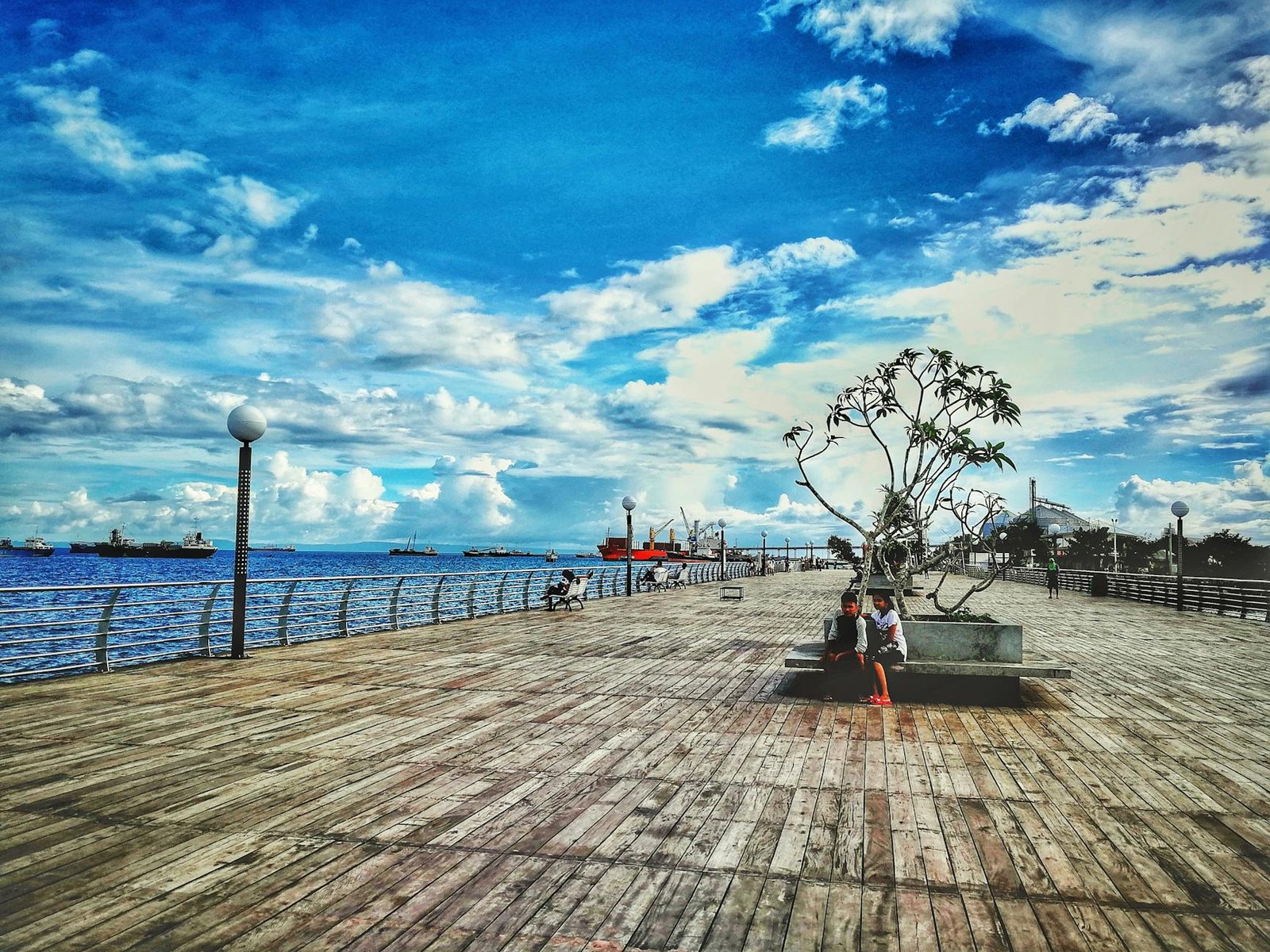
Scattered like emerald jewels across Lingayen Gulf in Pangasinan province, the Hundred Islands National Park is one of the Philippines’ most enchanting natural wonders. Despite its name, the archipelago actually contains 124 islands — 16 of which you can set foot on — shaped by millions of years of coral reef uplift into dramatic limestone formations draped in tropical greenery. Arriving here by sea adds a sense of theatrical arrival that few cruise destinations can match.
Arriving by Ship
Cruise ships visiting Hundred Islands typically anchor off the coast of Alaminos City, the gateway municipality and jumping-off point for the national park. Because there’s no deep-water pier capable of handling large vessels, you’ll tender ashore to reach the main jump-off area at Lucap Wharf. From there, outrigger bancas — the traditional wooden boats of the Philippines — ferry visitors between the islands throughout the day. The process is well-organised, and local boatmen are experienced at coordinating shore excursions efficiently. Plan to spend the full day exploring, as each island has its own character and the distances between them are best enjoyed at a leisurely pace.
Things to Do

The obvious highlight is island hopping across the park’s most celebrated stops. Governor’s Island is the largest and most developed, with a small beach, a lookout tower, and basic facilities. Quezon Island is the most popular swimming and snorkelling spot, ringed by shallow turquoise water that’s ideal for beginners. Children’s Island earns its name with a gently shelving sandy beach perfect for families.
For the adventurous, kayaking through sea caves and around limestone pillars offers a more intimate encounter with the landscape. 🎟 Book: 100 Island: Pangasinan Island Hopping Tour Cliff-jumping platforms on some of the wilder islands attract thrill-seekers, while the park’s snorkelling and diving sites reveal a surprisingly intact coral ecosystem. If you prefer a curated, private experience with guide and lunch included, a private day tour takes the logistical stress out of the visit entirely. 🎟 Book: Hundred Islands Day tour in Pangasinan (Private) The park’s biodiversity extends above the waterline too — watch for monitor lizards sunbathing on rocky outcrops and brahminy kites wheeling overhead.
Local Food
Pangasinan is famous throughout the Philippines for its bangus, or milkfish, and you’ll find it prepared in every conceivable way along Alaminos’s waterfront restaurants. Rellenong bangus — milkfish stuffed with a savoury mixture of vegetables, raisins, and its own deboned flesh — is a local showstopper worth seeking out. Bagoong, the fermented shrimp paste that’s practically a Pangasinan obsession, appears as a condiment with everything from green mango to grilled pork.
Don’t overlook the fresh seafood stalls near Lucap Wharf, where you can point at the catch of the day and have it grilled on the spot with garlic rice and a cold San Miguel. Inabraw, a sour vegetable soup simmered with fish paste, is a humble but deeply satisfying regional staple. Wash everything down with fresh buko juice — coconut water served straight from the shell — which tastes especially restorative after a morning of sun and salt water.
Shopping

Alaminos may be a small city, but its public market is a rewarding browse for travellers looking to bring home something authentic. Dried fish, locally produced bagoong, and bags of native rice make excellent pantry souvenirs if you can pack them securely. Hand-woven baskets and mats crafted from pandan leaves are among the most distinctive handicrafts of the Pangasinan region. Near the national park entrance, small souvenir stalls sell shell jewellery, painted shells, and island-themed trinkets that won’t break the budget. For something more meaningful, look for locally printed shirts and woodcarvings depicting the distinctive mushroom-shaped limestone islands — a visual motif you’ll see replicated everywhere once you’ve laid eyes on the real thing.
Practical Tips
Bring reef-safe sunscreen — the Philippine sun is fierce year-round, and the park’s marine environment deserves protection. Water shoes are strongly recommended, as many island landings involve rocky shorelines or slippery steps. Carry small denomination Philippine pesos in cash; card payments are rare at the wharf and on the islands. The park charges a modest entrance fee, and boat rental fees are paid separately at the Lucap Wharf boat terminal. Confirm your ship’s tender schedule before committing to any extended island-hopping route, and aim to board the last tender with plenty of buffer time.
Cruises That Visit Hundred Islands Philippines
Hundred Islands is an emerging cruise destination rather than a long-established port of call, and it features most frequently on itineraries from regional Asian cruise operators and smaller expedition-style lines exploring Southeast Asia’s less-visited coastlines. Lines such as Princess Cruises and Celebrity Cruises have occasionally included Alaminos on longer Philippines multi-port sailings, typically departing from Singapore, Hong Kong, or Manila (Port of Manila or Batangas). These voyages generally run between 10 and 14 nights, combining Hundred Islands with better-known stops like Puerto Princesa, Cebu, and Boracay.
The dry season — November through April — is overwhelmingly the best time to visit, with calm seas, clear skies, and minimal rain. Sailings departing Singapore or Hong Kong in January and February frequently enjoy the most settled conditions in Lingayen Gulf. Philippine-based operators and boutique cruise companies also run shorter 5- to 7-night itineraries departing Manila, making Hundred Islands an accessible add-on for travellers already visiting Luzon. If you’d prefer to arrive independently from Manila, a private guided day tour makes the four-hour drive and full island experience seamless. 🎟 Book: Hundred Islands Day tour from Manila (Private Tour)
🚢 Cruises That Stop at Hundred Islands Philippines
Ready to book a cruise to Hundred Islands Philippines?
Compare itineraries, prices, and cabin types from all the major cruise lines — with a best price guarantee and no booking fees.
🔍 Search Cruises to Hundred Islands Philippines →
Affiliate link — we may earn a commission if you book, at no extra cost to you.
Hundred Islands rewards those willing to venture beyond the Philippines’ more famous beaches. Whether you’re content to drift between limestone sentinels on a wooden banca or determined to snorkel every reef and climb every viewpoint, this national park delivers a brand of quiet, unhurried beauty that stays with you long after your ship has sailed.
🎟️ Things to Book in Advance
These highly-rated experiences fill up fast — book before you arrive to avoid missing out.


This page contains affiliate links. If you book through them, we may earn a small commission at no extra cost to you.
📍 Getting to Hundred Islands Philippines
Use the interactive map below to explore the port area and plan your route from the terminal.
Leave a Reply