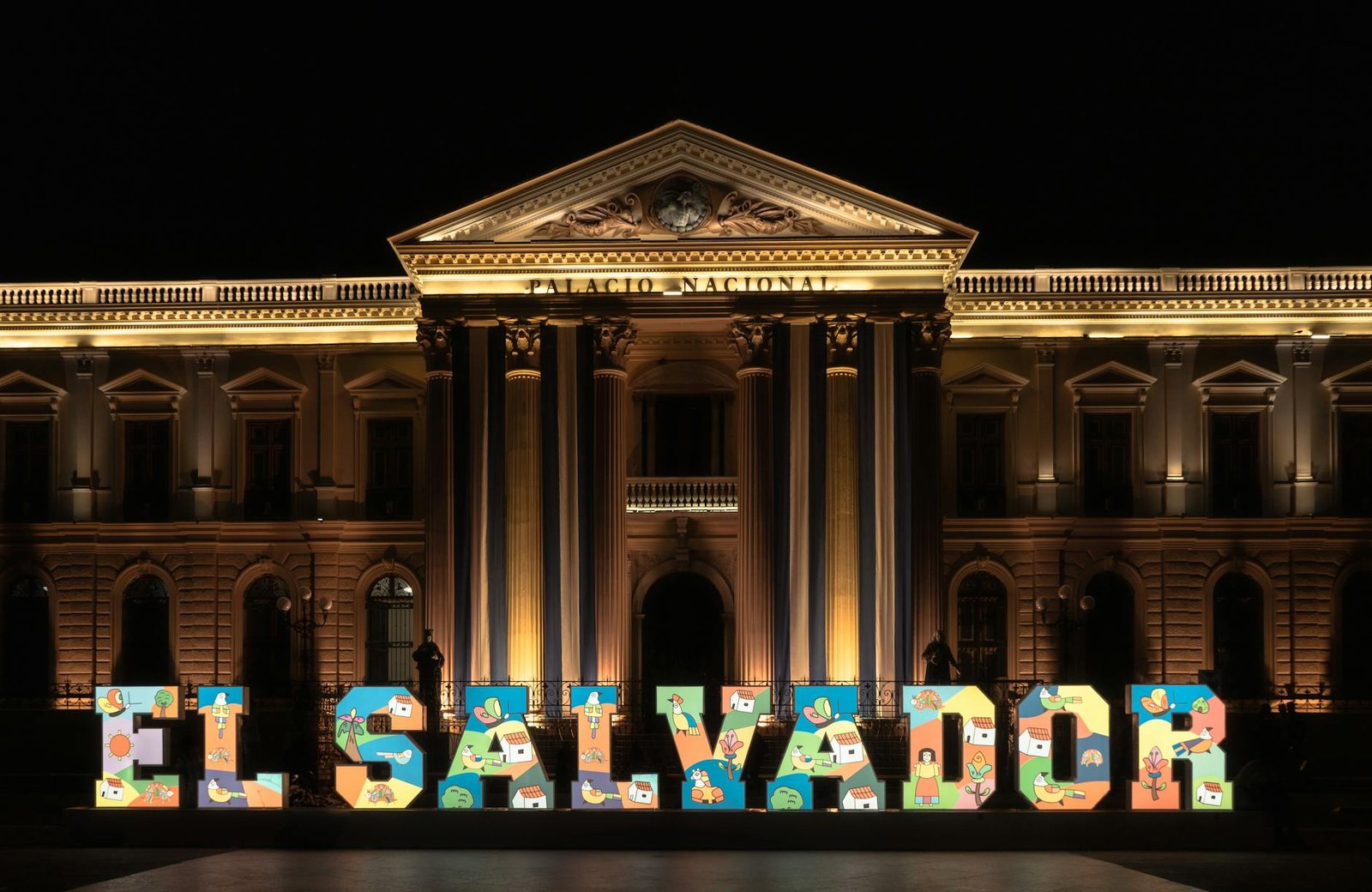
Acajutla is El Salvador’s most important commercial seaport, sitting on the country’s sun-daked Pacific coast where industrial muscle meets raw natural beauty. It’s not your typical polished cruise destination — and that’s precisely what makes it so compelling. Step ashore here and you’ll find an authentic slice of Central American life, volcanic landscapes, and some of the best street food you’ve never heard of.
Arriving by Ship
Acajutla is a working cargo port, which means the infrastructure is functional rather than flashy. Cruise ships typically anchor offshore and tender passengers to the dock, so be prepared for a short boat ride to reach land. The port area itself is industrial, but shuttle services and taxis congregate near the terminal to whisk you away to more scenic surroundings quickly. Many passengers opt to head directly to nearby Sonsonate, the colonial town about 20 kilometres inland, or push further toward San Salvador, the capital. If you’re planning a longer excursion to the capital, pre-booking a transfer is the smartest move — it saves you the hassle of negotiating on arrival. 🎟 Book: Arrival Transfer El Salvador Int. Airport to San Salvador Hotels For a more comfortable private experience, a dedicated airport-style transfer can make the journey seamless. 🎟 Book: Private Arrival Transfer: El Salvador International Airport SAL to San Salvador
Things to Do

Don’t let the industrial port setting fool you — Acajutla’s surrounding region is spectacularly diverse. The nearest highlight is Playa Acajutla, a dark-sand Pacific beach where local families gather on weekends. The volcanic sand is a deep charcoal grey, striking against the blue water, and swimming is possible in calmer seasons.
Venture inland toward Cerro Verde National Park, where three volcanoes — Izalco, Santa Ana, and Cerro Verde itself — rise from cloud forests. Izalco, nicknamed the “Lighthouse of the Pacific,” was so consistently active that sailors used its glow to navigate for centuries. Hiking here is genuinely breathtaking.
The town of Nahuizalco, roughly 30 minutes from port, is a centre of Nahua indigenous culture and famous for its vibrant night market and masterful wicker and rattan craftsmanship. The colonial city of Sonsonate is also worth a wander — its central cathedral and colourful market give you a grounded feel for everyday Salvadoran life without the tourist crowds.
Local Food
This is where Acajutla and the surrounding region truly shine. Pupusas are El Salvador’s national dish and non-negotiable eating — thick handmade corn or rice tortillas stuffed with cheese, beans, chicharrón (seasoned pork), or loroco (a native flower bud with an earthy, aromatic flavour). They’re served with curtido, a lightly fermented cabbage slaw, and tomato salsa. You’ll find pupuserías everywhere, from roadside stalls to family restaurants, and they cost almost nothing.
Along the coast, fresh seafood is equally unmissable. Look for ceviche de camarón (shrimp ceviche) or whole fried fish served with rice, plantains, and a squeeze of lime. The mariscada, a hearty seafood soup loaded with clams, shrimp, and fish, is a local favourite that will fuel you through a full day of exploration. Wash everything down with agua de coco (fresh coconut water) sold straight from the husk — essential in the Pacific heat.
Shopping

Acajutla itself isn’t a shopping destination, but the surrounding towns offer genuine artisan finds. Nahuizalco’s market sells beautifully woven baskets, furniture, and decorative items crafted from bamboo and rattan — lightweight and easy to pack. You’ll also find hand-embroidered textiles, hammocks, and carved wooden pieces that represent real craftsmanship rather than mass-produced souvenirs.
In Sonsonate’s central market, look for locally grown coffee (El Salvador produces exceptional beans), dried spices, and bottles of Tic Tack, a popular local candy, or artisan sweets made from coconut and sesame. Prices are refreshingly honest — this is a market that serves locals first, tourists second.
Practical Tips
Bring cash in US dollars — El Salvador has used the dollar since 2001, making transactions easy for American travellers. Spanish is essential; very little English is spoken outside tourist contexts, so a few basic phrases go a long way. The climate is hot and humid year-round, so light clothing, sunscreen, and a reusable water bottle are non-negotiables. Taxis from the port should be negotiated in advance; agree on a price before you get in. For longer journeys into the capital, a pre-arranged shared transfer keeps costs down while ensuring reliability. 🎟 Book: Shared Arrival Transfer | El Salvador International Airport to San Salvador Security has improved significantly in recent years, but it’s wise to stay with your group, avoid displaying valuables, and follow your ship’s guidance on recommended areas.
Acajutla won’t dazzle you with resort-style polish, but it will reward curiosity. Come here hungry — for food, for culture, for a Central America that travellers rarely get to see.
🎟️ Things to Book in Advance
These highly-rated experiences fill up fast — book before you arrive to avoid missing out.


This page contains affiliate links. If you book through them, we may earn a small commission at no extra cost to you.
Leave a Reply